The U.S. Defense Department announced a ninth-night strike on Iran, marking the 11th consecutive night of aerial operations aimed at securing the Strait of Hormuz. The escalation raises fresh concerns for regional stability and global energy markets.
Key Takeaways
- The U.S. military launched its 11th consecutive night strike against Iran.
- The operation targets control of the strategically vital Strait of Hormuz.
- Escalation could affect regional security and worldwide oil prices.
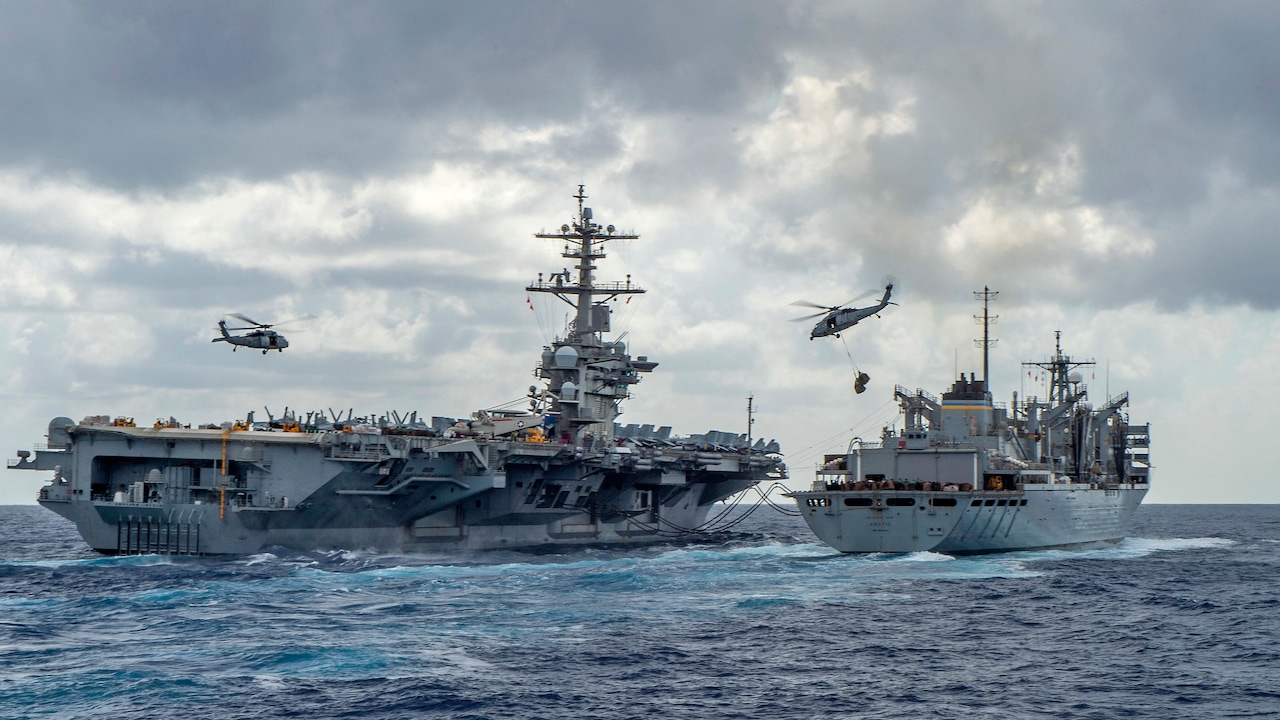
The U.S. Department of Defense confirmed that on Wednesday night it carried out the 11th back‑to‑back aerial strike against Iranian positions, intensifying the battle for dominance over the Strait of Hormuz. Multiple missiles and drones were deployed, focusing on Iranian radar installations, armored convoys, and potential naval threats.
While the exact count of munitions remains classified, officials emphasized that the strikes were calibrated to neutralize any capability that could jeopardize the free flow of maritime traffic through the Hormuz corridor. The Pentagon framed the action as a defensive measure to preserve the security of one of the world’s most critical oil transit routes.
Historical Background: U.S.–Iran relations have been fraught since the 1979 Islamic Revolution, with flashpoints ranging from the 1980‑88 Iran‑Iraq war to the 2003 invasion of Iraq and the 2015 Joint Comprehensive Plan of Action (JCPOA). Earlier in 2020, a U.S. drone strike killed General Qasem Soleimani in Iraq, prompting a series of retaliatory threats. The Strait of Hormuz, a narrow 21‑mile channel, has repeatedly been at the center of geopolitical maneuvering, given that roughly 20% of global oil shipments pass through it.
Why This Matters (इसके मायने क्या हैं)
BozokMedia analysis shows that sustained nightly strikes not only pressure Iran’s military posture but also inject volatility into global energy supply chains. Any disruption in Hormuz could push crude prices upward, straining economies—especially those of developing nations that rely heavily on affordable oil imports.
Beyond economics, the relentless aerial campaign reshapes diplomatic calculations across the Gulf region. Allies such as the United Arab Emirates and Saudi Arabia must reassess their security frameworks, while Iran’s potential retaliation could further entrench a cycle of escalation, complicating any near‑term diplomatic resolution.
"Intelligence assessments indicate that maintaining relentless air pressure is a core element of U.S. strategy to dominate the Hormuz corridor," says international security expert Dr. Ali Ahmed.
Frequently Asked Questions (अक्सर पूछे जाने वाले प्रश्न)
Question 1: Will these nightly strikes diminish the chances of diplomatic talks with Iran?
Answer: While diplomatic channels remain open, continuous military pressure can harden positions and make negotiations more challenging.
Question 2: How might the strikes affect global oil markets?
Answer: Any perceived threat to Hormuz’s openness typically triggers a rapid rise in oil prices, amplifying market volatility worldwide.