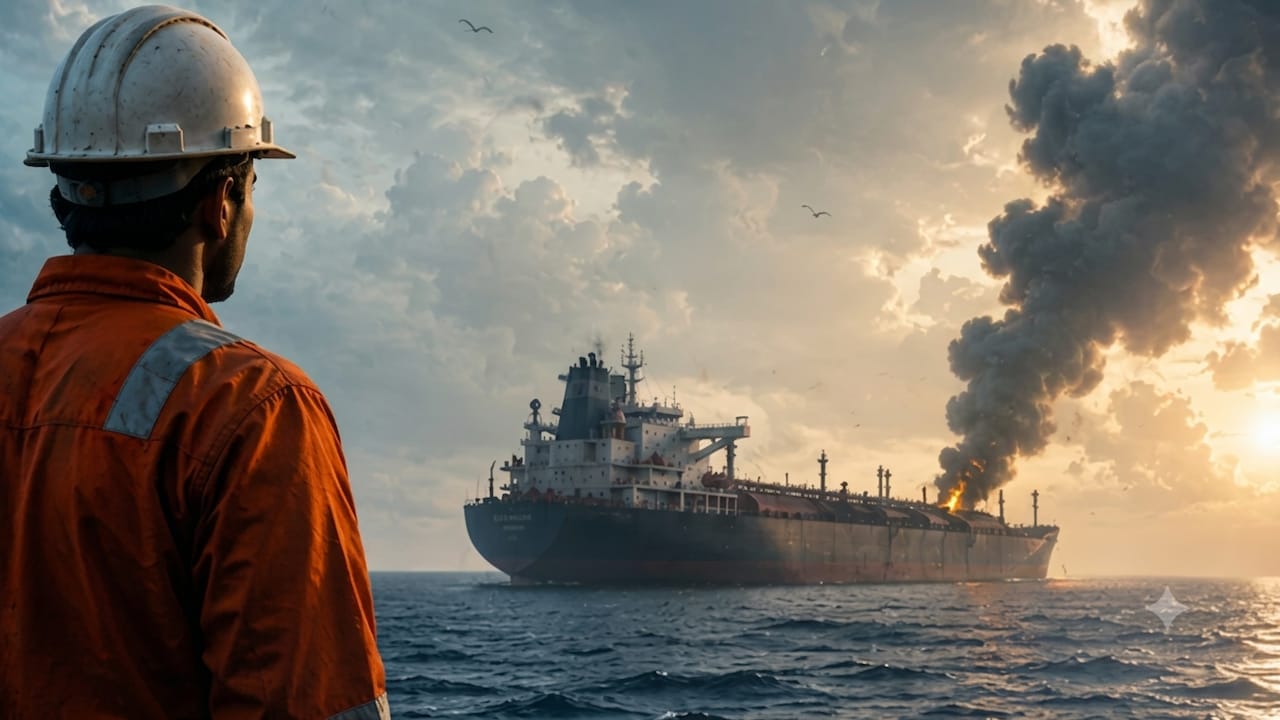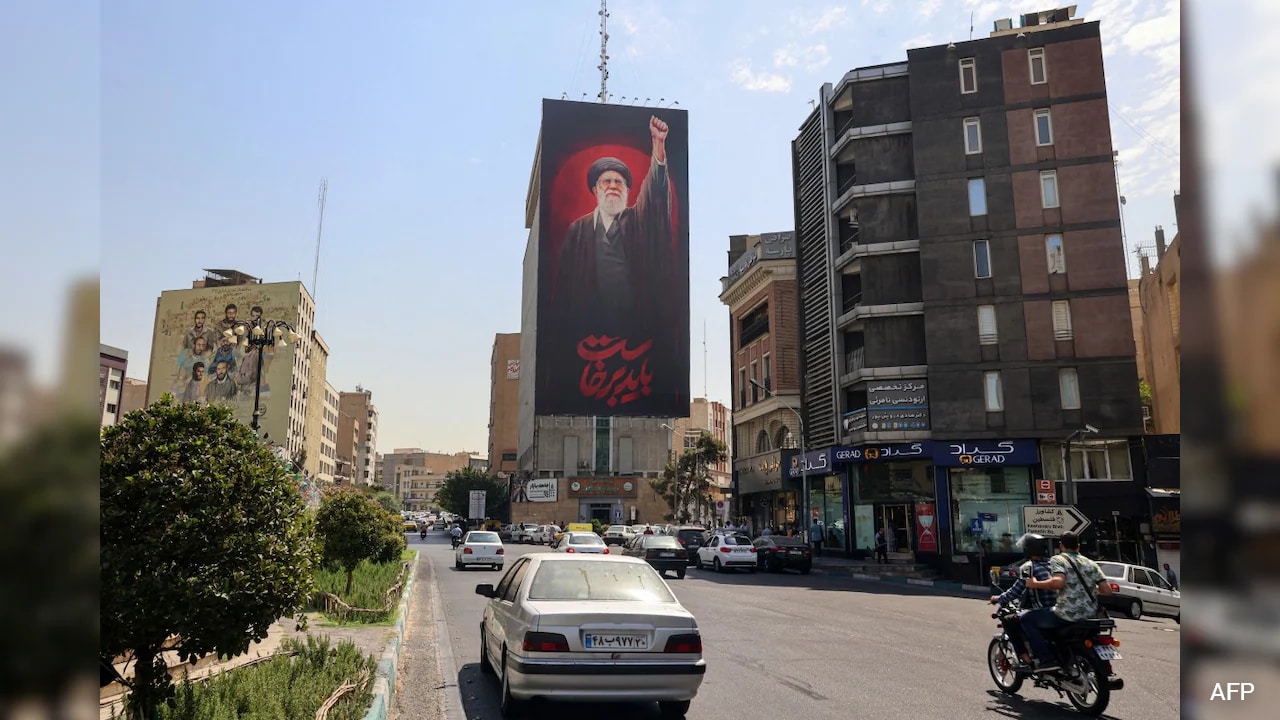
The US State Department has issued a global security alert advising citizens to exercise extreme caution due to heightened Middle East tensions. Shipping through the critical Strait of Hormuz has ground to a near standstill, sparking global economic concerns.
Key Takeaways
- The US State Department has issued a rare worldwide security alert for American citizens.
- Maritime traffic through the Strait of Hormuz has stalled, threatening global oil supplies.
- Geopolitical tensions between Washington and Tehran have reached a critical flashpoint.
The US State Department has issued a global security alert, urging American citizens worldwide to exercise increased caution. The department cited heightened tensions in the Middle East as the primary driver for this decision, warning of potential terrorist attacks, demonstrations, and violent actions against US interests abroad. This advisory is expected to impact international travel and diplomatic protocols globally.
Simultaneously, maritime shipping through the strategic Strait of Hormuz has ground to a near standstill. As one of the world's most critical transit choke points, approximately 20% of the world's petroleum passes through this narrow waterway. The halt in shipping has raised immediate alarms over potential energy shortages and sharp increases in crude oil prices.
| Aspect | United States Position | Iran Position |
|---|---|---|
| Primary Goal | Deter regional aggression and protect global trade routes. | Assert regional dominance and counter Western sanctions. |
| Tactical Move | Worldwide security alerts and naval deployments. | Control over the Strait of Hormuz and proxy mobilization. |
Historical Background
The geopolitical rivalry between the United States and Iran spans decades, originating from the 1979 Islamic Revolution. In recent years, relations deteriorated significantly following the US withdrawal from the Joint Comprehensive Plan of Action (JCPOA) in 2018. Since then, the Strait of Hormuz has repeatedly served as a primary theater of confrontation, with naval standoffs and tanker seizures frequently threatening international commerce.
"The disruption of the Strait of Hormuz is not just a regional security crisis; it is a direct threat to the stability of the global energy market."
Why This Matters
BozokMedia analysis shows that a prolonged halt in shipping through the Strait of Hormuz could trigger a severe spike in global oil prices, directly impacting inflation rates worldwide. For the average consumer, this translates to higher fuel costs and more expensive everyday goods, highlighting how localized geopolitical conflicts have immediate, global household consequences.
Furthermore, the worldwide security alert indicates that the intelligence community fears asymmetric retaliatory strikes outside the Middle East. This raises the stakes for international diplomacy, forcing allies of both nations to carefully calibrate their foreign policies to prevent a full-scale global confrontation.
Frequently Asked Questions
1. Why did the US issue a worldwide security alert?
The US issued the alert due to credible threats of retaliatory actions against American citizens and interests globally, stemming from heightened military tensions with Iran.
2. How does the Strait of Hormuz affect the global economy?
The Strait is the world's most crucial oil transit choke point. Any disruption to shipping there severely limits global oil supplies, leading to immediate energy price hikes.