A third-year Indian-origin medical resident at the University of Toledo has been sentenced to prison in the US after a hidden cellphone was found recording staff in an Ohio hospital restroom.
Key Takeaways
- An Indian-origin medical resident, Deshmukh, has been jailed in Ohio, USA.
- The case began in June 2025 when a hidden cellphone was discovered in a hospital restroom.
- The accused was a third-year medical resident at the University of Toledo.
- The incident has raised serious concerns regarding workplace safety and privacy in healthcare facilities.
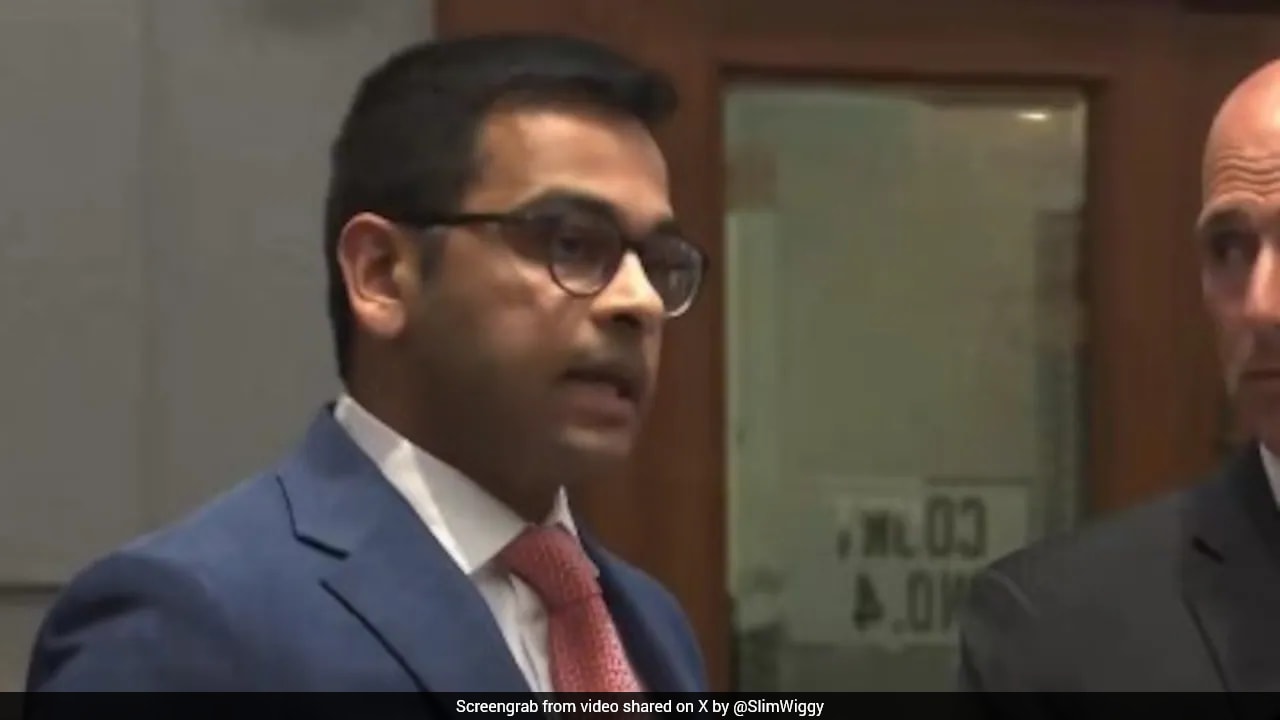
In a deeply disturbing incident that has shocked the medical community, an Indian-origin medical resident in Ohio, USA, has been sentenced to prison for secretly recording hospital staff. The accused, identified as Deshmukh, was a third-year medical resident at the University of Toledo. The illicit operation came to light in June 2025 when an alert employee discovered a hidden cellphone inside a unisex restroom at the ProMedica Toledo Hospital in Ohio.
Following the discovery, local law enforcement and hospital security launched an immediate investigation. Forensic analysis of the device linked it directly to Deshmukh, revealing that the camera had been strategically positioned to capture private moments of staff members using the restroom. The university and hospital administration acted swiftly, suspending the resident and handing over all evidence to the authorities, leading to his eventual conviction and sentencing.
Why This Matters
BozokMedia analysis shows that this incident highlights a critical vulnerability in workplace safety, even within highly regulated environments like hospitals. For healthcare professionals who work long, stressful shifts, the workplace is supposed to be a safe haven. A breach of privacy of this magnitude by a colleague severely damages trust among staff members and tarnishes the reputation of the institution.
Furthermore, this case underscores the growing threat of digital voyeurism facilitated by easily concealable technology. It serves as a wake-up call for corporations and healthcare facilities worldwide to implement stricter security protocols, including routine sweeps for unauthorized recording devices in private areas, to protect their employees' dignity and legal rights.
"Trust is the absolute cornerstone of the healthcare system. A violation of privacy of this nature within a medical facility not only breaks the law but deeply fractures the trust that holds the medical community together."
Historical Background
Medical residency programs in the United States, such as those at the University of Toledo, maintain highly rigorous standards of professional conduct. Under US federal and state laws, voyeurism and unauthorized recording in private spaces like restrooms are treated as serious criminal offenses. Convictions under these statutes carry severe penalties, including mandatory prison time, registration as a sex offender, and the permanent revocation of medical licenses, effectively ending the perpetrator's professional career.
Hospital Policy vs. Criminal Violations
| Standard / Rule | Hospital Code of Conduct | The Resident's Violations |
|---|---|---|
| Privacy Guarantee | Ensuring absolute privacy for patients and staff in designated areas. | Violated privacy by installing a hidden camera in a unisex restroom. |
| Professional Ethics | Upholding the highest moral and ethical standards of medicine. | Engaged in illegal, non-consensual recording of colleagues. |
| Consequences | Disciplinary action, suspension, or termination. | Immediate termination, loss of medical license, and prison sentence. |
Frequently Asked Questions
Q1: What legal actions were taken against the Indian-origin doctor?
A1: Deshmukh was suspended from his residency at the University of Toledo, arrested, and subsequently sentenced to prison by an Ohio court. His medical license is also subject to permanent revocation.
Q2: How was the hidden camera discovered?
A2: The hidden cellphone was discovered in June 2025 by a hospital employee who noticed the device concealed inside a unisex restroom at ProMedica Toledo Hospital.