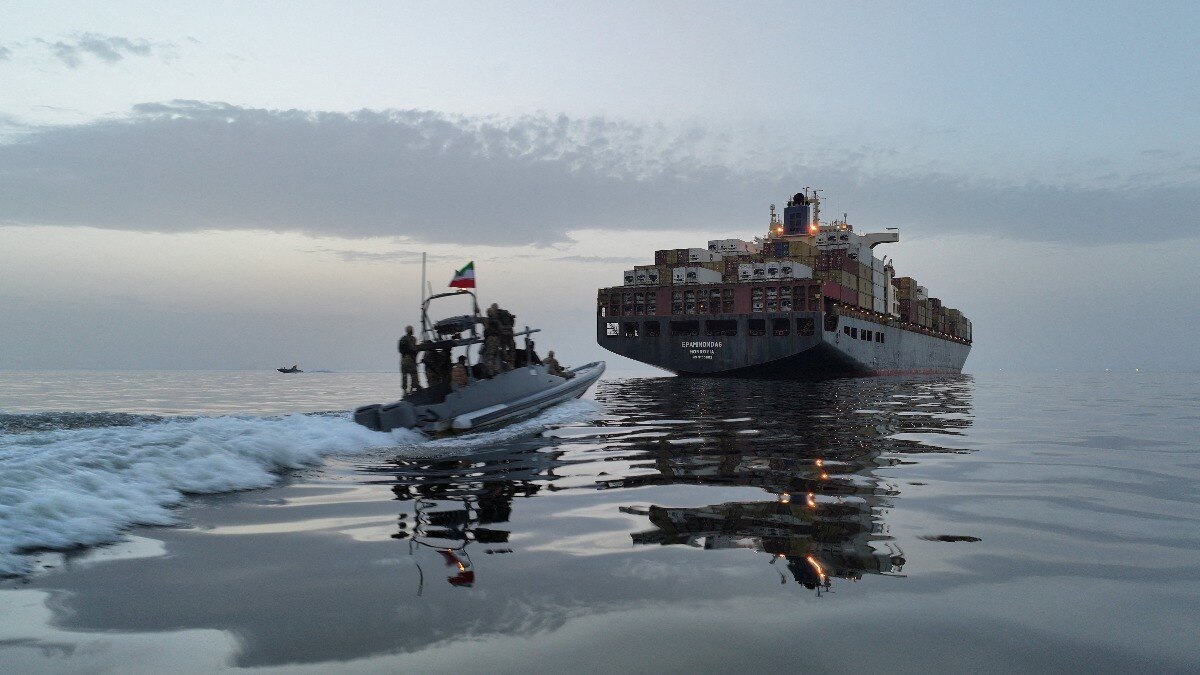
Iranian officials have warned that any escalation of the Middle East war could jeopardize regional energy shipments, especially oil. The statement has raised concerns about volatility in global oil markets.
Key Takeaways (मुख्य बिंदु)
- Iran warns that a worsening Middle East conflict could halt regional oil exports.
- If hostilities intensify, all energy shipments from the region may be suspended.
- Potential surge in global oil prices and economic instability.
Senior Iranian official Ali Al‑Khalifa recently declared that if the war in the Middle East escalates, no oil will be sold in the region. His remarks came amid rising tensions surrounding the Israel‑Hamas conflict, U.S. military involvement, and possible alignments with Iraq and Syria. The warning injects considerable uncertainty into the international oil market, as Iran remains one of the world’s top oil exporters.
Understanding the historical backdrop is essential. During the 1980‑1988 Iran‑Iraq war, Iran suffered extensive damage to its oil facilities, crippling its economy. In the 1990s, international sanctions forced Tehran to depend heavily on oil revenues, positioning it among the top five global oil exporters today.
Currently, Iran’s oil reaches key Asian and European markets. An escalation would threaten the safety of these shipping lanes, prompting carriers to delay or cancel voyages. Such disruptions could cause a supply crunch, pushing oil prices higher and affecting global growth.
Why This Matters (इसके मायने क्या हैं)
According to BozokMedia analysis, Iran’s warning could directly impact consumer prices and production costs. A 10‑15% rise in oil prices would increase transportation, manufacturing, and agricultural expenses, intensifying inflationary pressures worldwide.
Moreover, energy security concerns would compel nations to seek alternative sources, potentially reigniting reliance on fossil fuels and complicating climate goals. This dynamic could heighten diplomatic tensions and reshape global energy strategies.
"Iran’s warning underscores how geopolitical flashpoints can destabilize oil markets, with far‑reaching economic consequences," says energy analyst Dr. Reza Ahmad.
Frequently Asked Questions (अक्सर पूछे जाने वाले प्रश्न)
Q1: How would a Middle East escalation affect Iran’s oil exports?
A: Shipping routes would become unsafe, leading to delays or cancellations and driving up global oil prices.
Q2: What steps might global markets take in response?
A: Nations may increase strategic reserves, seek alternative suppliers, and reassess energy policies.