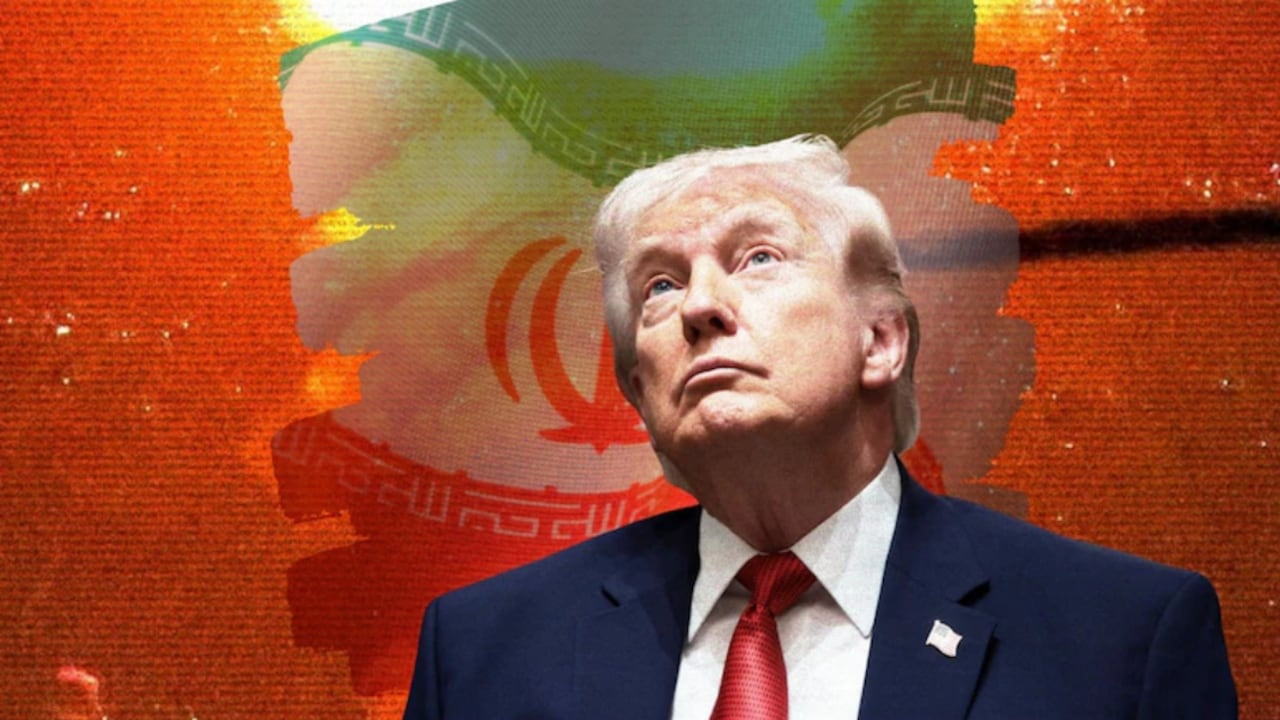
The United States has placed a 10% tariff on goods from India and 16 other nations, citing violations of forced‑labour regulations. The move adds fresh pressure to ongoing India‑U.S. trade talks.
Key Takeaways
- The U.S. imposes a 10% tariff on Indian goods and those from 16 other countries.
- Tariff is imposed under Section 301 for products made with forced labour.
- India banned forced‑labour imports in June 2026, yet the tariff remains.
Tariff Details
U.S. Trade Representative Jamieson Greer announced the action as a remedy for human‑rights abuses and distortionary trade practices. The 10% levy applies to 60 economies, including India, Canada, the UK, Bangladesh and Pakistan.
India’s Response
India amended its foreign trade policy to prohibit imports produced with forced labour. Despite this, Washington deemed the measures insufficient and moved forward with the tariff. New Delhi has urged that the dispute be addressed within the pending bilateral trade agreement.
Potential Trade Impact
In 2025, bilateral trade between the two nations reached roughly $141 billion, with Indian exports at $87.3 billion. A 10% tariff could shrink trade volumes, raise consumer prices, and complicate future negotiations.
Why This Matters
BozokMedia analysis shows that the tariff not only pressures India to tighten labor standards but also sets a precedent for other economies facing similar scrutiny, potentially reshaping global supply chains.
"Targeted action against forced labour can raise the ethical bar for global commerce," says international trade expert Dr. Maya Patel.
Frequently Asked Questions
Q1: Which Indian products will be affected by the tariff?
All goods identified as being produced with forced labour, ranging from textiles and electronics to agricultural commodities.
Q2: How might this tariff affect India‑U.S. bilateral trade?
Expect reduced trade volumes, higher prices for consumers, and tougher negotiating positions in forthcoming trade talks.