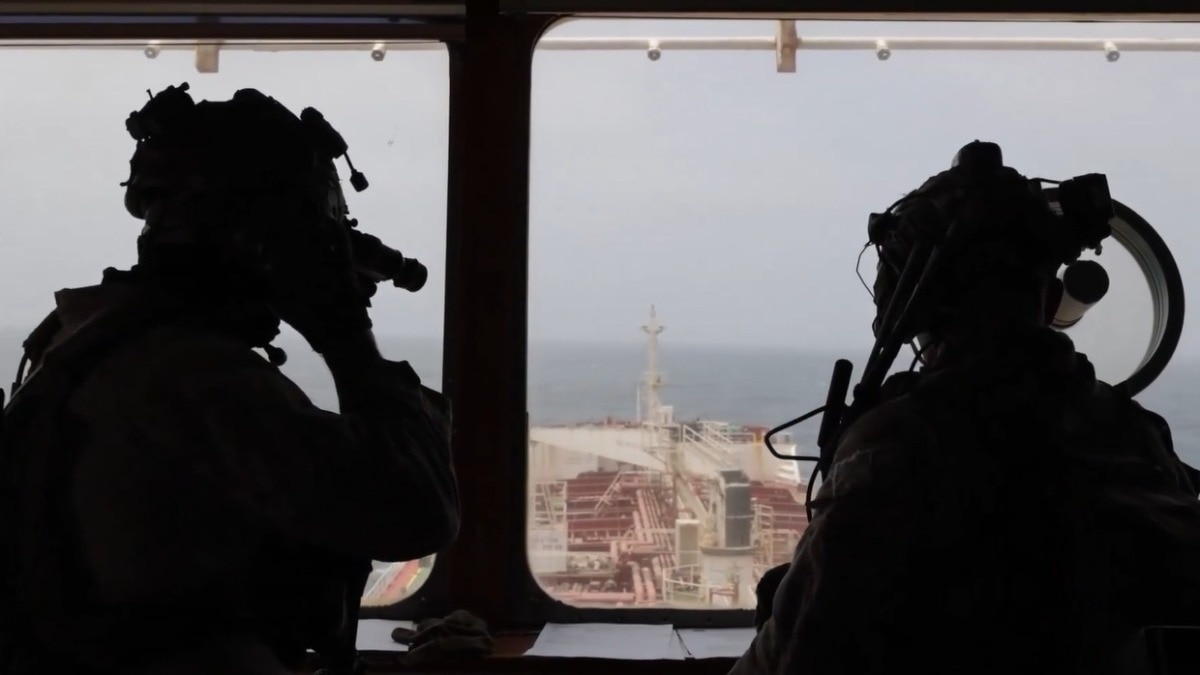
The U.S. Central Command has intensified its maritime blockade in the Hormuz Strait, redirecting 12 commercial ships and disabling two non‑compliant vessels. President Trump is weighing further military options as Iran ramps up retaliatory moves.
Key Takeaways
- U.S. Navy forced 12 commercial vessels to change course
- Two ships were disabled after ignoring warnings
- President Trump is discussing possible military escalations
New Layer of Maritime Blockade
U.S. Central Command (CENTCOM) reported that as of July 25, its naval pressure in the Hormuz Strait and the Gulf of Oman has been heightened. Twelve merchant ships were ordered to reroute, two were disabled for non‑compliance, and two additional vessels were boarded to ensure full adherence to the blockade.
This move comes after Iran’s Health Ministry confirmed no U.S. air strikes since July 24. Nevertheless, Washington continues its military activities, with President Donald Trump convening senior security officials to discuss further strategies against Tehran.
Why This Matters
BozokMedia analysis shows that U.S. pressure on maritime routes directly impacts energy security and regional stability, potentially sparking volatility in global oil prices.
"The U.S. naval actions in Hormuz are reshaping strategic calculations for both Iran and the broader Middle East," says international security analyst Dr. Rajesh Singh.
Frequently Asked Questions
Question 1: Will the U.S. naval pressure have long‑term effects on Iran’s trade routes?
Answer: Experts believe continued restrictions could force Iran to seek alternative pathways and strain its international partnerships.
Question 2: Could this tension lead to a larger military confrontation?
Answer: Current indicators suggest limited diplomatic dialogue, raising the risk of further escalation.