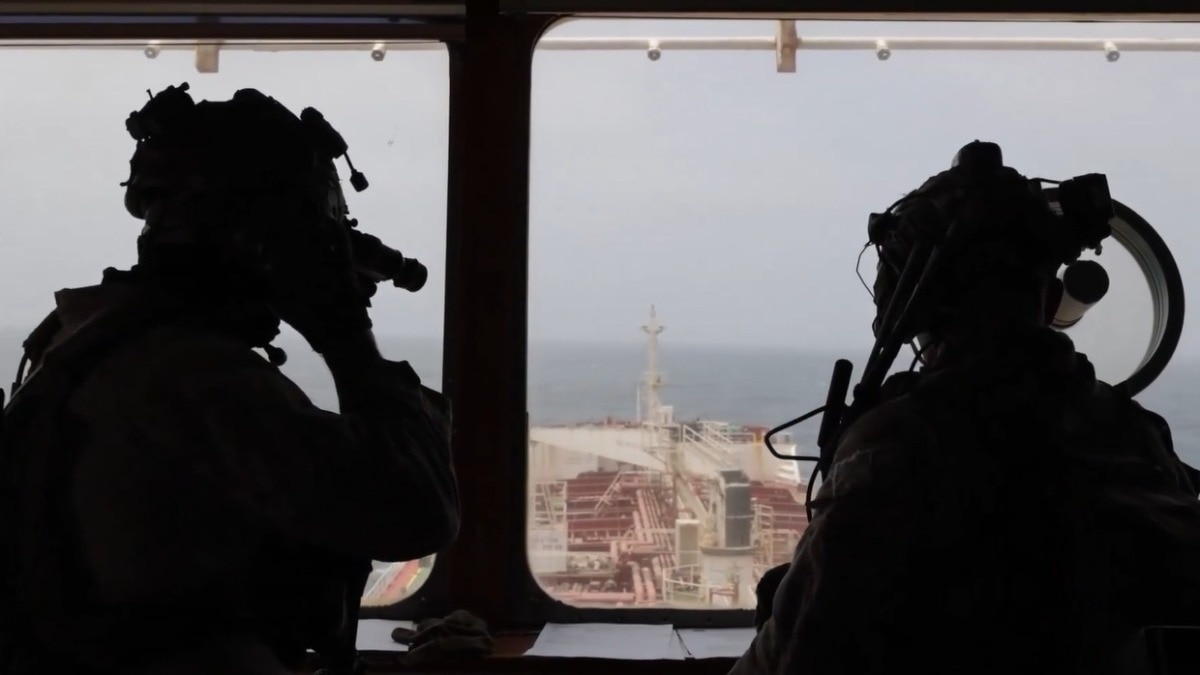
Top US advisers warned of interceptor shortages, prompting President Trump to suspend a broader air campaign against Iran. The report highlights how dwindling air‑defence stockpiles are forcing a strategic rethink of potential conflict.
Key Takeaways
- US air‑defence munitions are critically low
- Vance and Caine warned of escalating war in Iran
- Trump halted wider Iran strikes to reassess strategy
Core Findings of the Report
According to multiple outlets including The New York Times and The Times of India, senior US officials Vance and Caine alerted President Trump about a shortage of interceptors, a factor that contributed to pausing consecutive nights of air strikes.
Sources indicate that the United States’ inventory of air‑defence munitions is depleting faster than anticipated, raising concerns over the feasibility of a large‑scale campaign against Iran.
The decision to hold back was the result of extensive deliberations among military, diplomatic, and financial advisers, all emphasizing the urgent need to replenish interceptor stocks.
Why This Matters
BozokMedia analysis shows that a shortage in air‑defence munitions not only limits immediate tactical options but also reshapes diplomatic leverage in the Middle East, forcing the United States to adopt a more cautious posture.
"Interceptor shortages are redefining US strategy, compelling a search for new pathways to de‑escalate tensions in the Middle East," noted defense analyst Dr. Michael Reed.
Frequently Asked Questions
Q1: Will the shortage limit future US military actions?
A: Experts believe the shortfall could constrain tactical choices, but alternative solutions are being explored.
Q2: How might Trump’s decision affect Iran‑US relations?
A: The pause may reduce immediate tension, yet long‑term diplomatic impacts remain uncertain.