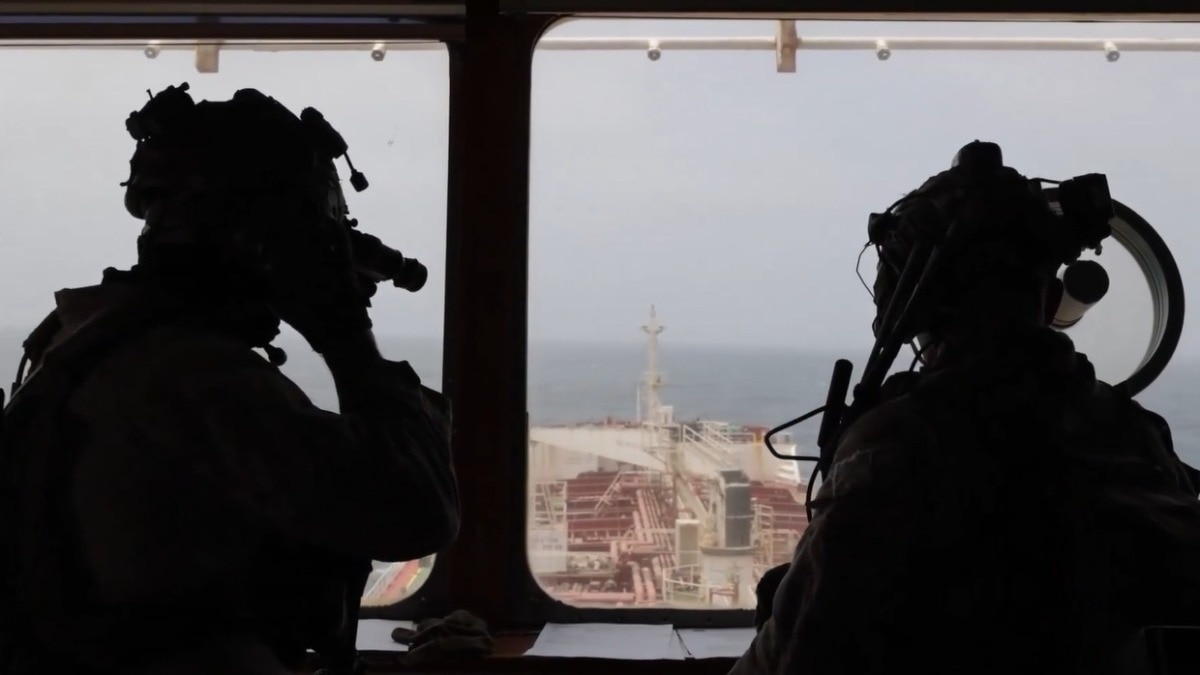
The US military has paused aerial attacks on Iran for the first time in two weeks, while the Houthi rebels strike Saudi oil facilities. Meanwhile, the naval blockade against Iran remains fully in effect.
Key Takeaways
- The US halted airstrikes on Iran for the first time in two weeks.
- Houthi forces attacked Saudi oil sites, raising regional tension.
- The naval blockade on Iran continues at full strength.
The US Department of Defense confirmed that operations are "on hold," marking a temporary pause in the aerial campaign against Iran. The decision follows President Trump’s directive on Friday that the military should refrain from striking Iran.
Simultaneously, the Houthi insurgents launched a missile attack on a major Saudi oil production facility, reigniting fears of a broader regional conflagration. Despite the pause, the US naval blockade against Iran remains "in full effect."
Historically, US‑Iran relations have been fraught since the 1979 Islamic Revolution, with multiple military confrontations. In the past two weeks, the US conducted several drone and missile strikes on Iranian targets; this is the first cessation since that surge.
Why This Matters
BozokMedia analysis shows that this pause could pave the way for diplomatic engagement, potentially averting a wider West Asian conflict. If both parties pursue dialogue, regional stability could improve markedly.
"The temporary halt in US strikes signals a possible opening for diplomatic negotiations with Iran," says international relations expert Dr. Michael Lee.
Frequently Asked Questions
Question 1: Does the pause increase the chances of diplomatic talks with Iran?
Answer: Experts believe a pause creates a conducive environment for negotiations if both sides are willing.
Question 2: What impact could the Houthi attack have on regional security?
Answer: It threatens Saudi oil supplies and escalates instability across West Asia.