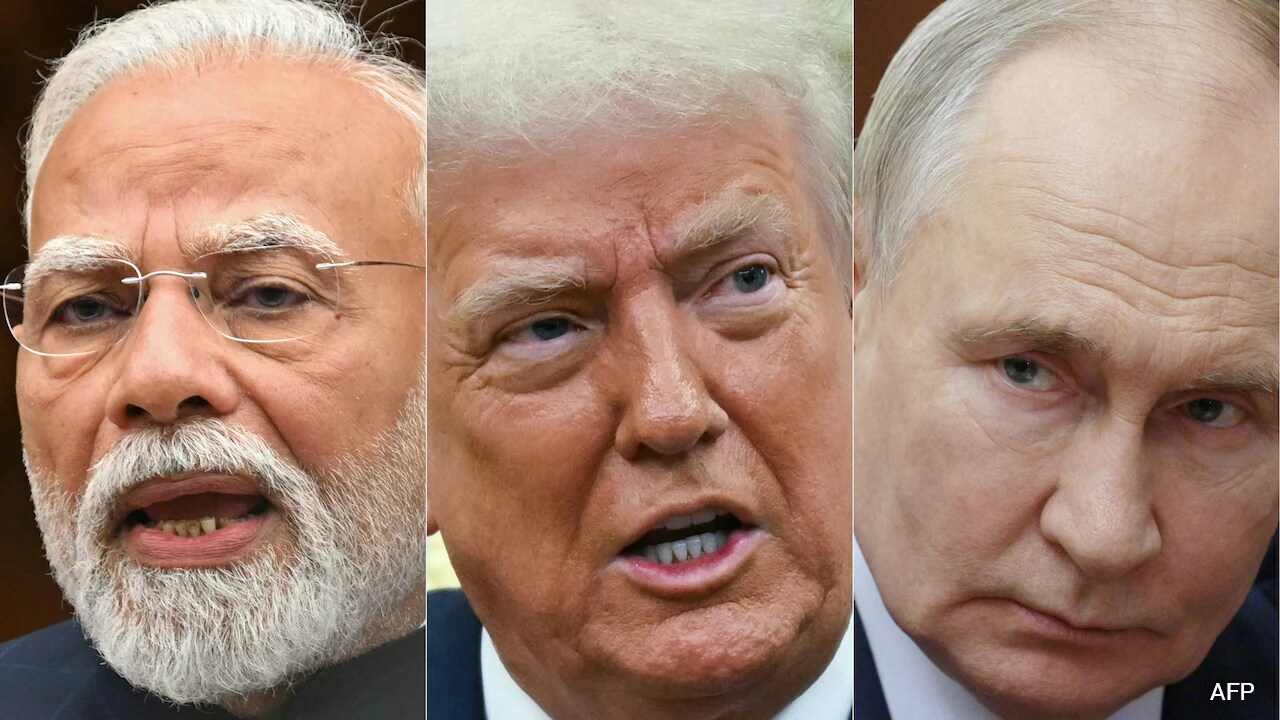
The US Senate has overwhelmingly passed a massive sanctions package aimed at choking Russian revenue by penalizing countries that continue to purchase Russian energy exports.
Key Takeaways
- US Senate passed the Russia sanctions bill with a decisive 86-11 vote.
- The bill empowers the President to impose tariffs on top buyers of Russian oil and gas.
- Major economies, including India and China, could face significant economic pressure.
- The legislation targets the 'shadow fleet' of tankers used to bypass existing sanctions.
In a major escalation of economic warfare, the US Senate has passed a wide-ranging sanctions package against Russia. The bipartisan move, passed with an 86-11 vote, aims to reinforce support for Ukraine by cutting off the financial lifelines that fuel Vladimir Putin's military operations.
The legislation, which now moves to the House of Representatives, grants the President significant authority to impose tariffs on the world’s top five buyers of Russian oil or natural gas. This potentially places nations like India and China in the crosshairs, unless they can demonstrate significant reductions in their Russian energy imports. A specific exemption exists for countries importing less than 15% of their natural gas from Russia.
Why This Matters
BozokMedia analysis shows that this bill represents a shift from targeted individual sanctions to broad-based economic pressure on entire nations. By targeting the buyers, the US is attempting to reshape the global energy landscape to isolate the Russian economy. For emerging economies like India, this creates a complex diplomatic tightrope between energy security and maintaining strategic ties with Washington.
This legislation hits the Kremlin where it hurts most—the revenue stream that sustains the war effort.
The bill is deeply tied to the legacy of the late Senator Lindsey Graham, who championed the cause of Ukraine. Following his sudden passing, his successor, Darline Graham, has vowed to carry his mission forward. The bill also expands sanctions to include Russian financial institutions and the 'reflagged' tankers used to circumvent previous restrictions.
Historical Background
Since the invasion of Ukraine, the US and its allies have implemented multiple rounds of sanctions. However, Russia has utilized a 'shadow fleet' of aging tankers and complex trade networks to maintain its energy exports. This new bill is specifically designed to close those loopholes by targeting the vessels and the nations facilitating their transit.
Frequently Asked Questions
1. How will this affect India's energy imports?
India may face potential US tariffs if it continues to be among the top buyers of Russian oil and gas.
2. Who does this bill target specifically?
It targets Putin, Russian military leaders, financial institutions, and the major countries purchasing Russian energy.