Egypt is emerging as a key potential member of the newly formed Mecca Joint Defence Agreement between Turkey, Pakistan, and Saudi Arabia. Turkish officials emphasize the pact is for collective security, not targeting Iran.
Key Takeaways
- Turkey, Pakistan, and Saudi Arabia have signed the 'Mecca Joint Defence Agreement'.
- Egypt is a strong candidate for expansion once technicalities are resolved.
- The pact mirrors NATO's Article 5, where an attack on one is an attack on all.
- The alliance is explicitly stated to be non-hostile towards Iran.
In a significant move reshaping regional security dynamics, Turkey, Pakistan, and Saudi Arabia have formalized the Mecca Joint Defence Agreement. This landmark pact aims to establish a framework for collective deterrence against aggression. Amidst these developments, Egypt has emerged as a highly probable candidate to join the alliance.
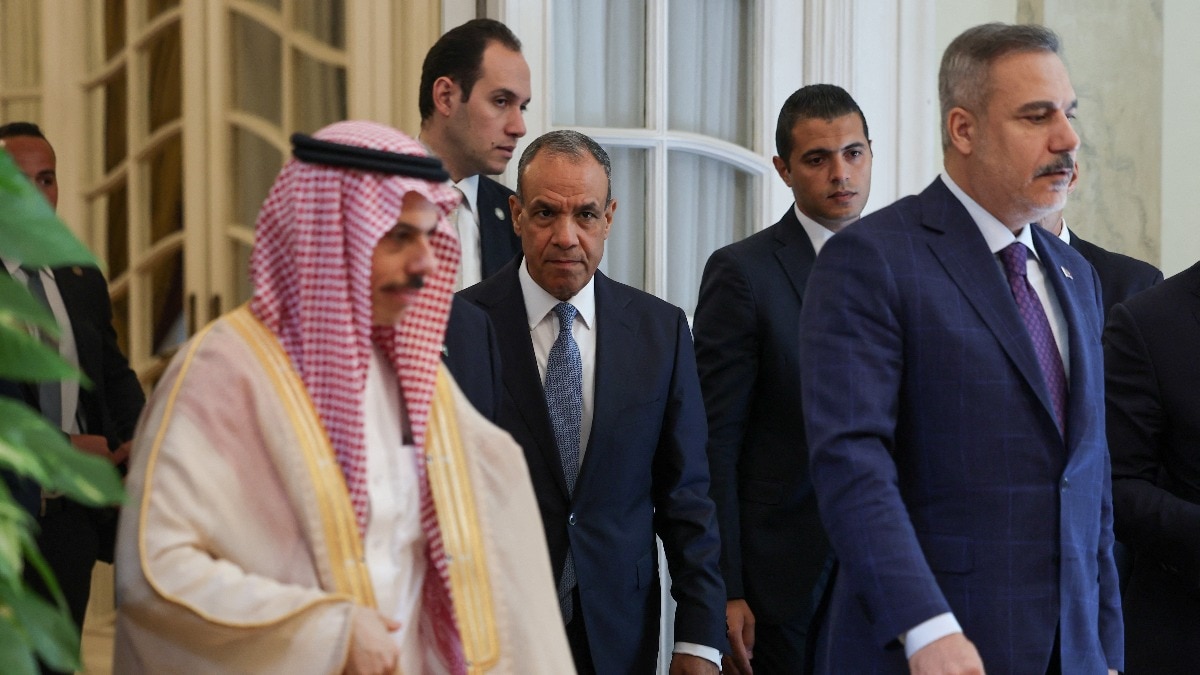
Turkish Foreign Minister Hakan Fidan revealed that President Recep Tayyip Erdogan envisions an expanded alliance that goes beyond the founding members. While technical matters are being addressed, Egypt is expected to integrate into this strategic framework, strengthening the bloc's influence across the Middle East and South Asia.
Why This Matters
BozokMedia analysis shows that this alliance represents a fundamental shift in regional military architecture. By adopting a principle similar to NATO's Article 5, the members are creating a mutual defense umbrella that could deter unilateral aggression in the region. The establishment of a general secretariat in Saudi Arabia and a ministerial committee will provide the necessary institutional backbone for this coalition.
The Mecca Agreement is not just a military treaty; it is a strategic blueprint for a multi-polar regional security order.
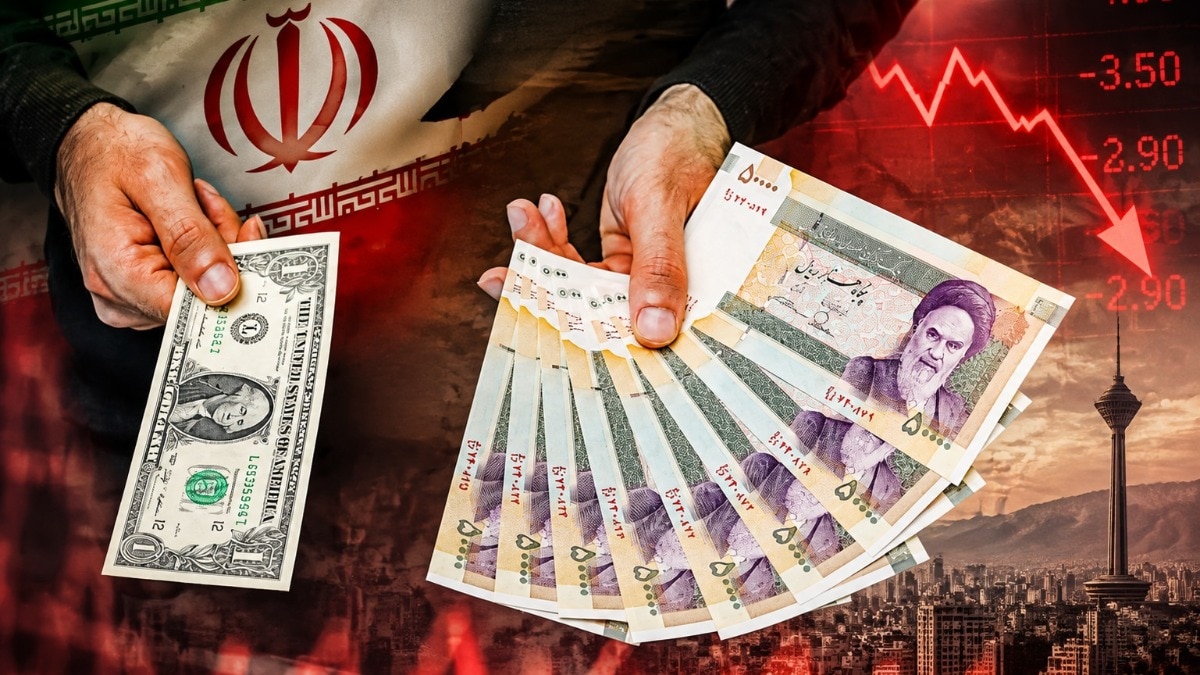
Addressing concerns regarding regional tensions, Fidan clarified that the pact is not directed at Iran. He emphasized that the agreement is a general commitment to member security and that no nation would be viewed as a threat unless they initiate an attack against a member state. This distinction is crucial to prevent an immediate escalation of tensions with Tehran.
Historical Context
The groundwork for this cooperation has been laid over nearly three years of negotiations. Furthermore, Turkey, Saudi Arabia, Pakistan, and Egypt have already demonstrated collaborative potential through the R4 group, which coordinates on regional issues including the ongoing conflicts involving Iran and maritime security in the Red Sea.
Frequently Asked Questions
1. Is this alliance a direct threat to Iran?
No, Turkish officials have explicitly stated the pact is not aimed at Iran but is intended for collective defense.
2. Where will the alliance be headquartered?
The general secretariat for the Mecca Joint Defence Agreement will be based in Saudi Arabia.