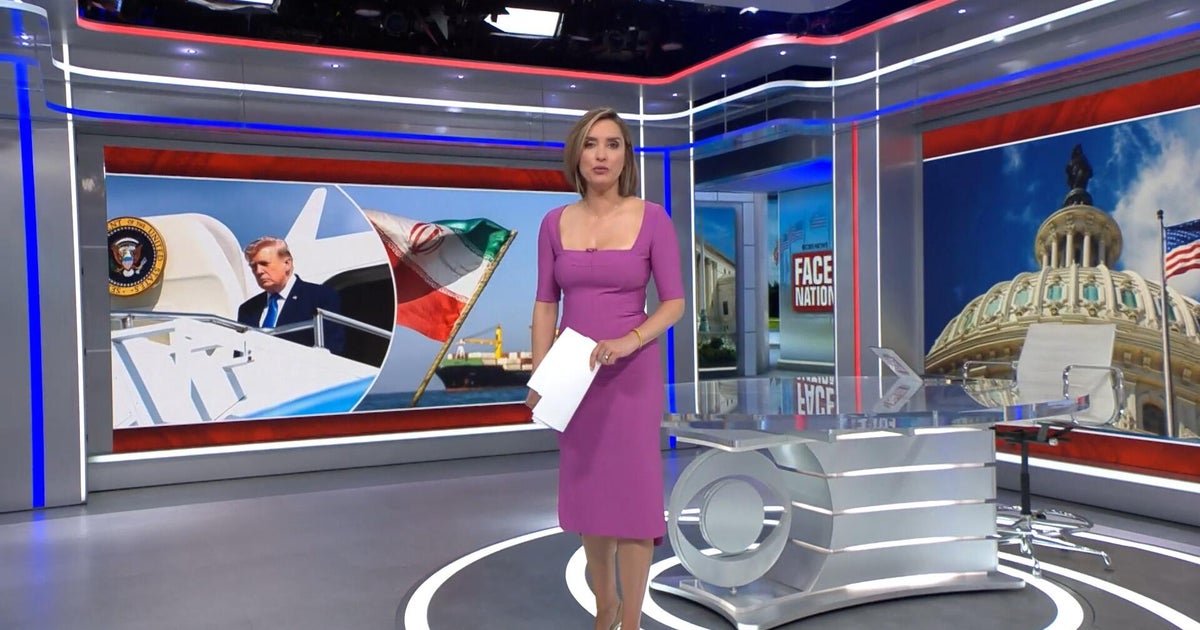
President Trump has vowed to hit Iran 'very hard' as diplomatic efforts struggle to contain a six-month conflict. Face the Nation explores the implications of potential military strikes and the domestic economic fallout.
Key Takeaways
- President Trump threatened massive military action against Iran, potentially on a scale unseen since WWII.
- Diplomatic 'perimeters of a deal' are being discussed, but no formal agreement is in place.
- Senator Mark Kelly criticized the administration's approach as 'erratic' and lacking strategy.
- The ongoing conflict is driving up inflation for gas and groceries in the United States.
In a high-stakes broadcast of Face the Nation, moderator Margaret Brennan tackled the escalating crisis in the Middle East. President Donald Trump has signaled a readiness to escalate military operations against Iran, stating that the U.S. will hit them 'very hard' to force a conclusion to the ongoing conflict.
Why This Matters
BozokMedia analysis shows that the geopolitical stakes have never been higher. A direct confrontation with Iran could disrupt global energy corridors, specifically the Strait of Hormuz, leading to a massive spike in global oil prices and further complicating the already fragile U.S. economy.
What we're seeing here is a president who has an approach to this that's just rather erratic. - Senator Mark Kelly
Democratic Senator Mark Kelly provided a stinging critique of the administration's handling of the situation. Kelly noted that the lack of a clear strategic goal or timeline has led to a munitions shortage and has alienated key allies in the GCC and Europe. Furthermore, he highlighted the domestic impact, noting that American veterans and families are struggling with skyrocketing costs for basic necessities like gas and groceries.
Historical Background
The conflict with Iran has entered its sixth month, far exceeding the initial predictions of a short-term engagement. The expansion of targets to include militias in Egypt and Saudi Arabia indicates a widening theater of war that threatens to engulf the entire region.
Frequently Asked Questions
1. Is a diplomatic deal between the U.S. and Iran imminent?
While there are reports of 'perimeters of a deal' being discussed, diplomatic sources suggest no final agreement has been reached yet.
2. How is the Iran conflict affecting Americans at home?
The conflict has contributed to rising inflation, specifically affecting the prices of fuel and food across the United States.