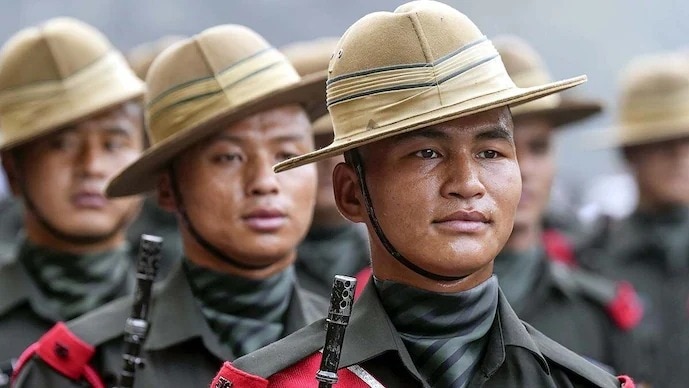
Former Gorkha soldiers and supporters staged a major protest in Pokhara, Nepal, demanding the revival of recruitment for Nepali youth in the Indian Army following the Agnipath scheme changes.
Key Takeaways
- Former Gorkha soldiers protested in Pokhara, Nepal, for renewed Indian Army recruitment.
- Protesters demand that Nepali youth be included under the Agnipath scheme framework.
- Recruitment has been stalled since 2020, affecting livelihood and tradition.
- Indian Army Chief General Dheeraj Seth is scheduled to visit Nepal on August 16.
In a significant escalation, former Gorkha soldiers and their supporters held a massive demonstration in Pokhara, Nepal. The protesters are demanding the immediate resumption of recruitment processes for Nepali youth in the Indian Army, a practice that has been suspended since 2020. A memorandum has been submitted to the district administration, with warnings of intensified movements if demands remain unaddressed.
The Agnipath Controversy
The core of the protest lies in the implementation of the Agnipath scheme in India. While the scheme offers a four-year service period, the Nepal government has expressed concerns regarding the future stability of Nepali recruits. Colonel Krishna Bahadur Khatri, President of the Gorkha Brigade, noted that the tradition of Nepali youth serving in the Indian Army spans over 207 years since the Treaty of Sugauli, but recent policy shifts have put this legacy at risk.
The resumption of recruitment is vital to preserving the centuries-old bond between the Gorkha community and the Indian military establishment.
Why This Matters
BozokMedia analysis shows that this issue transcends mere employment; it is a matter of diplomatic and strategic significance between India and Nepal. For many Nepali youths, serving in the Indian Army offers far superior economic prospects compared to laboring in the harsh climates of Gulf nations. The deadlock currently rests on whether the recruitment framework can be harmonized for both Indian and Nepali citizens, as suggested by former CDS General Anil Chauhan.
Historical Context
The history of Gorkha soldiers in the Indian military dates back to 1815 following the Anglo-Nepal War. Under the tripartite agreement of 1947, six Gorkha regiments became an integral part of the Indian Army, cementing a bond of bravery and loyalty that has lasted for generations.
Frequently Asked Questions
1. Why has recruitment stopped?
Recruitment was halted in 2020 due to the COVID-19 pandemic, and subsequent policy changes in India regarding the Agnipath scheme created further uncertainty.
2. What is the protesters' main demand?
They demand that the Indian Army recruitment process for Nepali citizens be restarted, specifically addressing how they fit into the new Agnipath model.