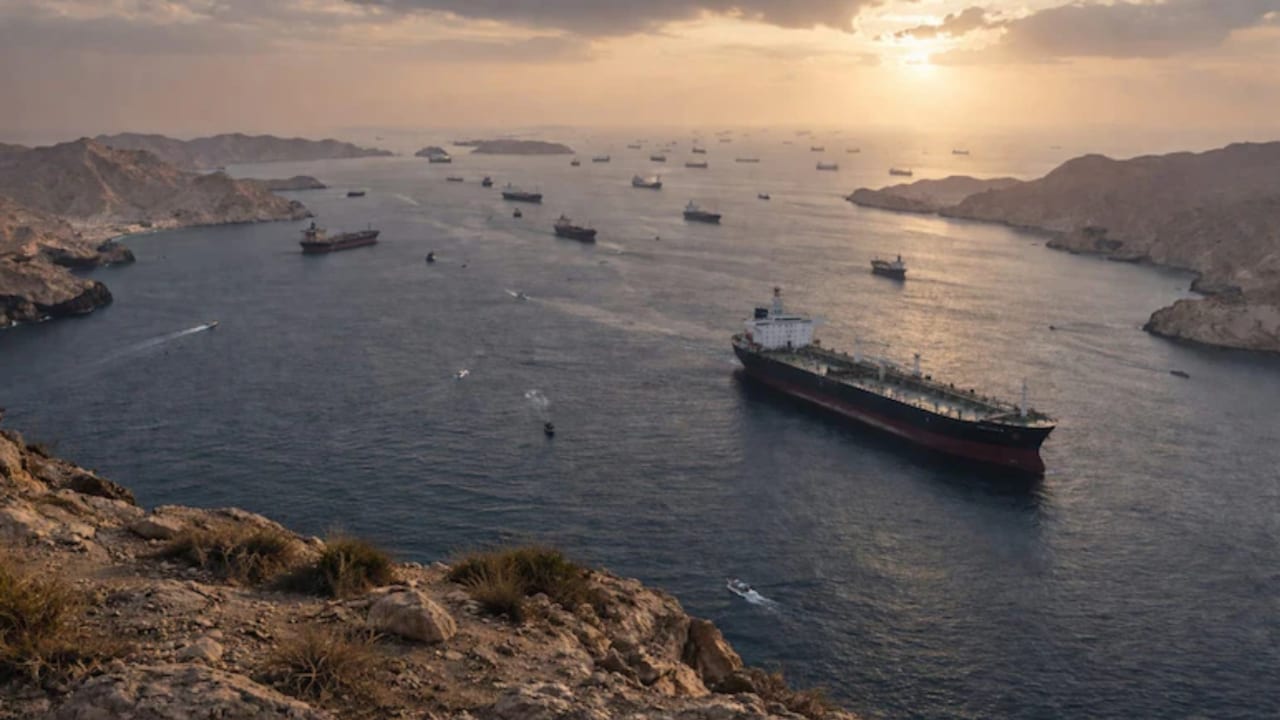
Amid a deadlock in permanent peace negotiations with the US, Iran has signaled a shift from defensive to 'fully offensive' operations in the Strait of Hormuz, citing specific MoU clauses.
- Iran is pivoting from a defensive to a 'fully offensive' military posture due to stalled diplomatic efforts with the US.
- Tehran asserts that Point 5 of the MoU grants it the legal authority to manage the Strait of Hormuz.
- The move threatens the stability of global energy supplies and maritime security.
A senior Iranian official revealed to Reuters on Monday that Tehran has decided to shift its strategic policy to "fully offensive". This decision comes as efforts to reach a permanent agreement to end the ongoing conflict with the United States have reached a critical deadlock.
The Iranian administration has specifically pointed to Point 5 of the Memorandum of Understanding (MoU), claiming it provides the legal framework and right to manage the waterway. The Strait of Hormuz is a vital artery for global trade, and any disruption here could trigger an immediate crisis in international oil markets.
Why This Matters
BozokMedia analysis shows that Iran is leveraging its geographical advantage to force the US back to the negotiating table. By threatening the flow of oil, Tehran is targeting the economic vulnerability of the West. Since approximately 20% of the world's liquefied natural gas and oil pass through this narrow corridor, any offensive action would lead to extreme volatility in Brent crude prices.
"The shift from defensive to offensive posturing in the Strait of Hormuz represents a high-stakes gamble that could inadvertently trigger a full-scale regional conflict."
Historical Background
The friction between Iran and the US is rooted in the 1979 revolution and exacerbated by the collapse of the Joint Comprehensive Plan of Action (JCPOA). The Strait of Hormuz has historically been used as a tool of asymmetric warfare, with both nations deploying naval assets to project power and secure energy interests. Previous incidents of tanker seizures have already set a precedent for instability in the region.
Frequently Asked Questions
1. Why is the Strait of Hormuz so critical?
It is the primary exit point for oil exports from the Persian Gulf to the rest of the world.
2. What is the basis for Iran's claim?
Iran refers to Point 5 of a specific MoU, which they believe authorizes their management of the waterway.