In a strategic move to solidify power, Mojtaba Khamenei has reshuffled Iran's hardline military and security apparatus. The restructuring aims to brace the nation for potential external wars and escalating internal unrest.
- Mojtaba Khamenei has orchestrated a significant reshuffle of Iran's top security and military leadership.
- Key appointments include Ali Abdollahi as Military Chief and Mohsen Rezaei as secretary of the top security body.
- The move signals a pivot toward a 'war footing' to handle both foreign aggression and domestic instability.
The political landscape in Tehran is undergoing a seismic shift as Mojtaba Khamenei, the son of the Supreme Leader, moves to consolidate control over the Islamic Republic's security architecture. This reshuffle is not merely administrative; it is a calculated effort to align the military and intelligence wings with a more aggressive, hardline ideology capable of sustaining a long-term conflict.
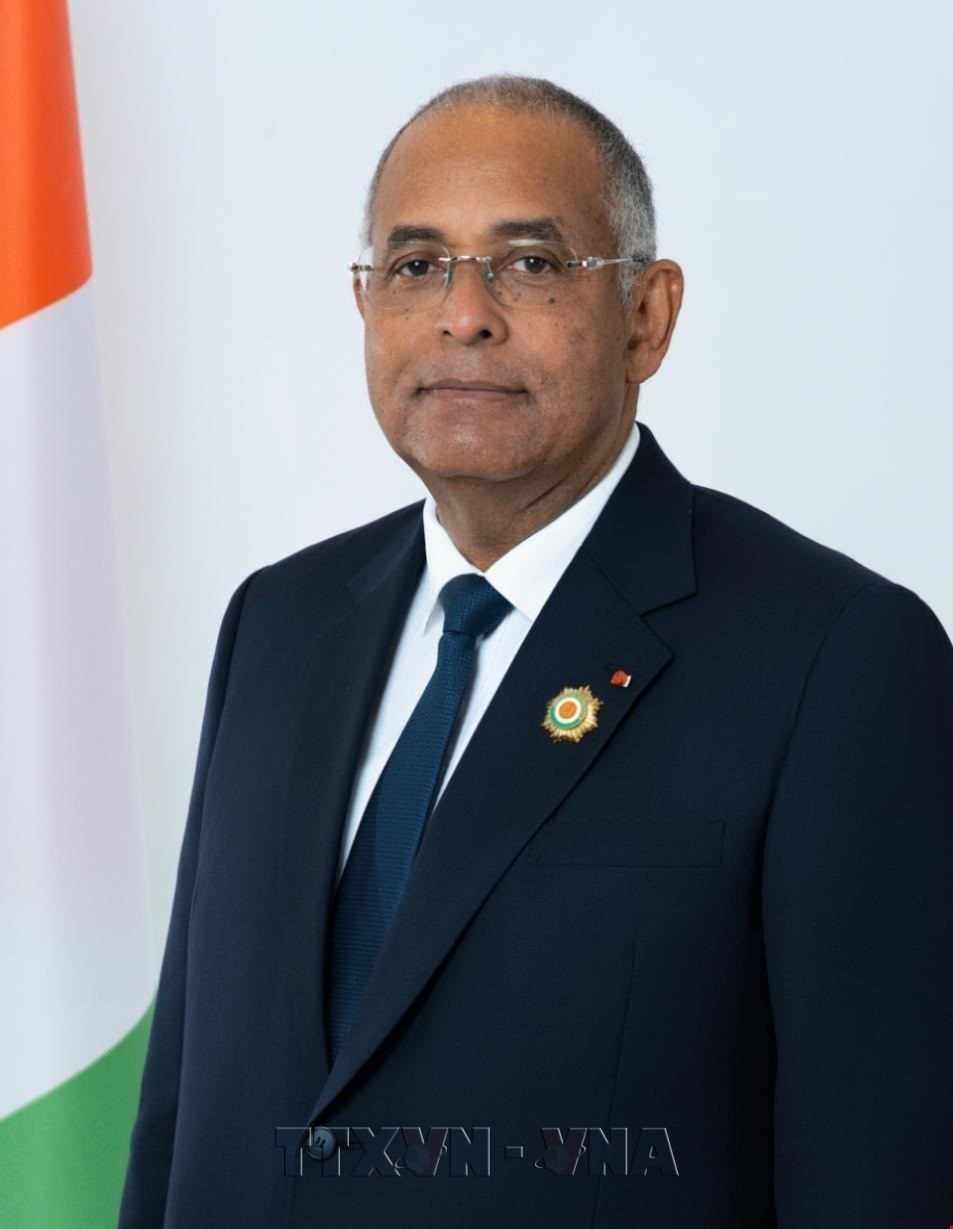
Central to this reorganization is the appointment of Ali Abdollahi as the new Military Chief. Abdollahi is widely recognized for his hawkish stance and has a history of issuing stern warnings and direct threats against United States interests in the region. His elevation suggests that Iran is moving away from diplomatic hedging and toward a more confrontational military posture.
Furthermore, the appointment of Mohsen Rezaei as the secretary of Iran's top security body brings a seasoned veteran back into the inner circle. Rezaei's experience during the Iran-Iraq war and his deep ties to the IRGC make him a pivotal figure in coordinating the state's response to perceived existential threats.
Why This Matters
BozokMedia analysis shows that this 'new' war cabinet is essentially a revival of the old guard, signaling that the regime is retreating into its most ideological shell. By placing loyalists in key positions, Mojtaba Khamenei is ensuring that there is no room for moderate voices as the country faces mounting economic pressure and social volatility.
The restructuring of the Iranian security apparatus is a clear signal that Tehran views the current geopolitical climate as a zero-sum game where only hardline military readiness can ensure regime survival.
The internal dynamics are equally critical. Iran has been plagued by sporadic unrest and systemic economic failures. The reshuffle is designed to create a more cohesive internal security mechanism to suppress dissent and prevent the kind of widespread protests that have shaken the regime in recent years.
Historically, Iran has used such reshuffles during times of extreme crisis. From the aftermath of the 1979 Revolution to the tensions of the 1980s, the consolidation of power within a small, hardline circle has been the primary survival mechanism of the clerical establishment.
| Position | Previous Strategy | New Hardline Strategy |
|---|---|---|
| Military Command | Strategic Patience | Active Deterrence & Threats |
| Security Coordination | Bureaucratic Management | Ideological Alignment |
| Domestic Control | Reactive Policing | Proactive Suppression |
Frequently Asked Questions
Who is Ali Abdollahi?
He is Iran's new Military Chief, known for his aggressive rhetoric and strong opposition to US presence in the Middle East.
What is the primary goal of this reshuffle?
The primary goal is to prepare Iran for a potential long-term war and to tighten control over domestic unrest.