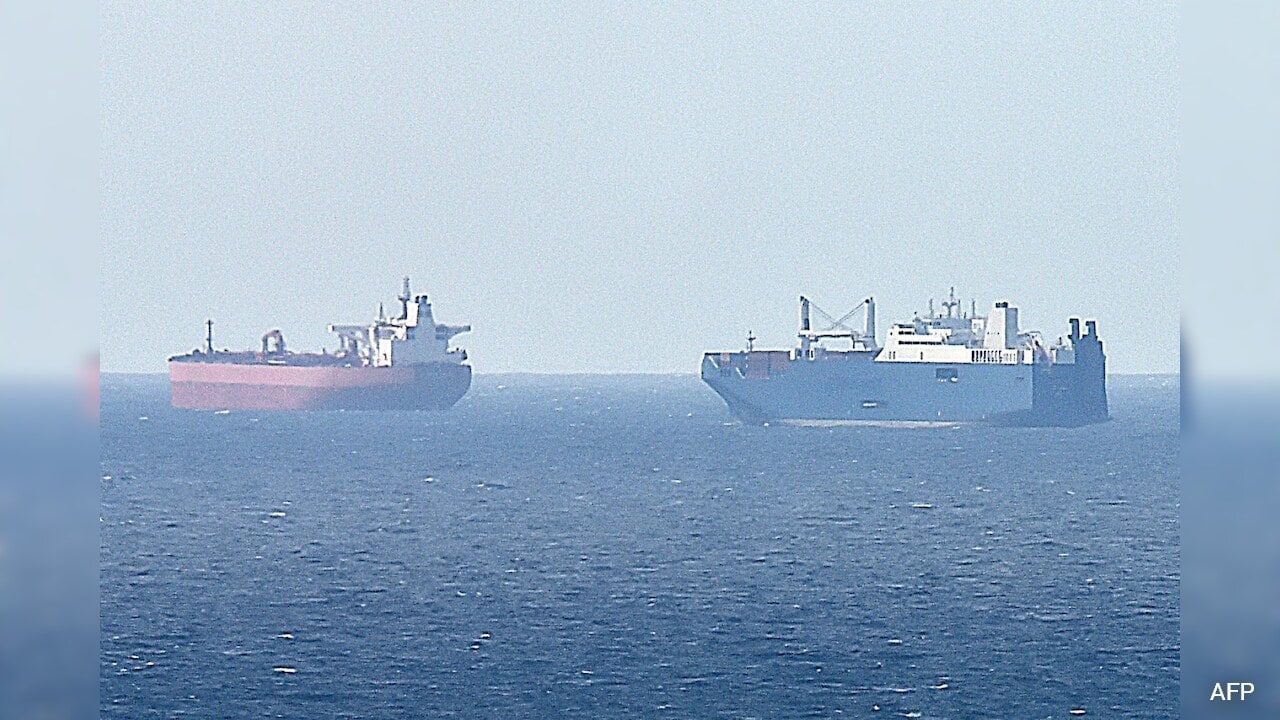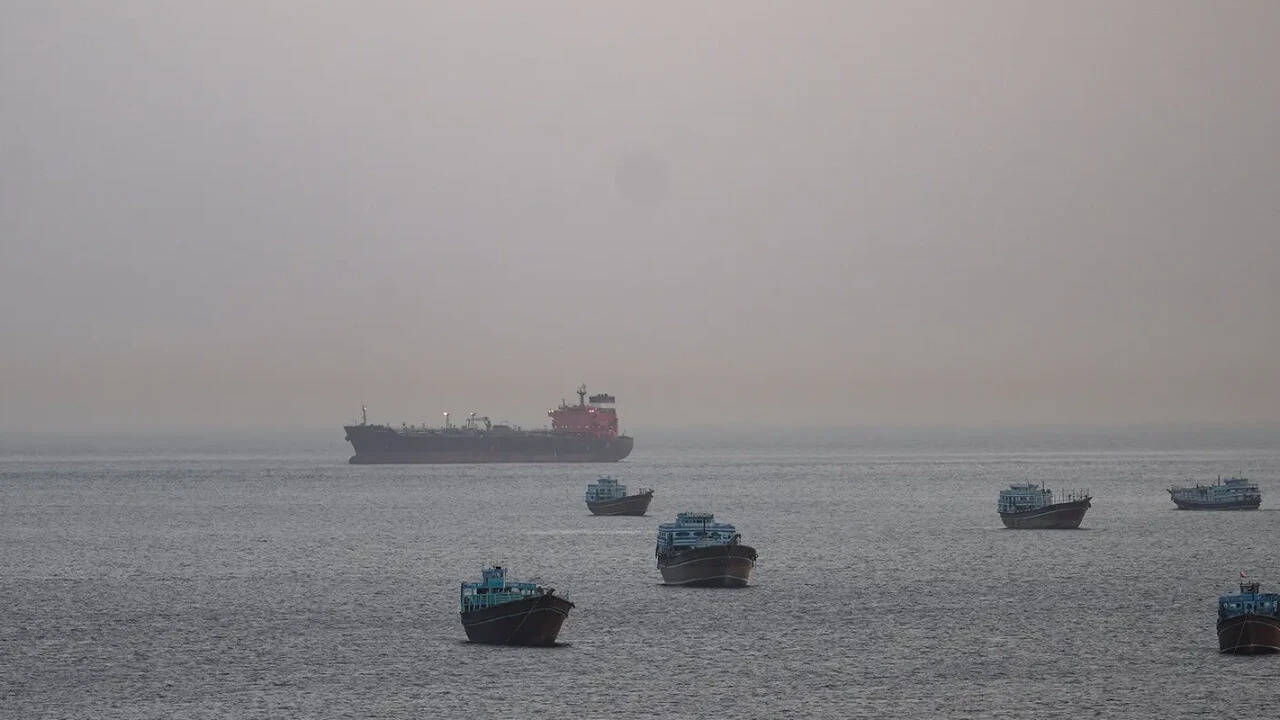
Indian tanker Lila Vadinar, carrying 270,000 tonnes of Kuwaiti crude, crossed the Strait of Hormuz on Wednesday‑Thursday night. At the same time, Maha Roos also transited safely, while seven other India‑bound ships await evacuation from the Persian Gulf.
Two India‑flagged oil carriers, Lila Vadinar and Maha Roos, successfully navigated the Strait of Hormuz on the night of Wednesday‑Thursday. Lila Vadinar was laden with 270,000 tonnes of Kuwaiti crude oil, while Maha Roos completed the passage without incident. The maneuver underscores India’s resolve to keep its maritime trade flowing despite heightened US‑Iran tensions.
Strategic Importance of the Strait
The Strait of Hormuz is one of the world’s most critical chokepoints, channeling roughly 20% of global oil shipments. Any disruption can reverberate across energy markets, prompting price volatility and supply concerns. Historically, the waterway has witnessed several naval confrontations, notably the 2019 incidents where Iranian forces targeted commercial tankers with missile fire.
Current Geopolitical Context
Escalating hostilities between the United States and Iran have placed the Persian Gulf under intense scrutiny. Iran’s Sepah Navy reportedly ordered Indian vessels to turn back near Oman’s Musandam Peninsula, yet Lila Vadinar ignored the directive and continued its transit. Such developments compel the Indian maritime authorities to reassess risk matrices and issue timely advisories.
Status of India‑Bound Vessels
Following the successful crossings, seven additional ships—six fertilizer bulk carriers and one urea‑laden tanker—remain anchored in the Persian Gulf, with a total crew of 149 awaiting evacuation. These vessels were slated for removal within days, but renewed restrictions on strait traffic have delayed their departure. The government is reportedly considering fresh advisories that caution seafarers and discourage chartering vessels for West‑Asian routes.
Future Outlook
Five more India‑flagged ships—a pair of bulk carriers, a crude oil tanker, an oil/chemical tanker, and an empty dredger—continue operations in the Gulf but are not scheduled for immediate exit. Should diplomatic tensions ease, these ships could soon resume normal routes, stabilising global oil flows. Conversely, a prolonged conflict may force India to explore alternative maritime corridors, potentially reshaping trade logistics across the region.
Overall, the episode highlights India’s dual focus on safeguarding economic interests while navigating a volatile security environment. Continuous monitoring of the strait’s condition, coupled with proactive diplomatic engagement, will be essential to ensure uninterrupted energy trade and maritime safety.