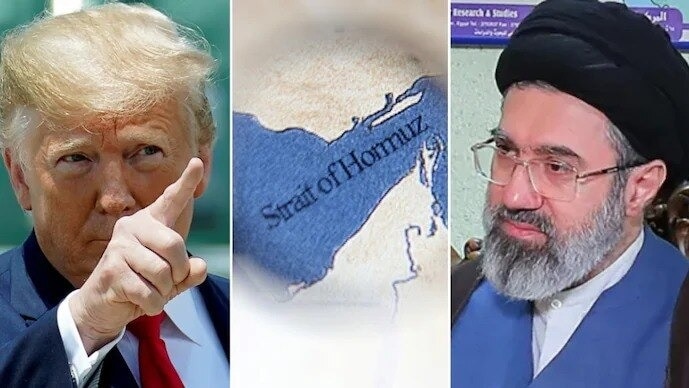
Tensions soar as Iran offers $30,000 for captured or killed US soldiers, while Donald Trump scales back critical military drills in South Korea.
- Iran introduces a $30,000 bounty for the capture or killing of US personnel.
- President Donald Trump reduces the scale of joint military exercises in South Korea.
- US lawmakers express grave concerns over the welfare of troops deployed at sea.
The geopolitical landscape of the Middle East has shifted into a high-risk zone as Iran officially offers a $30,000 reward for the capture or killing of US soldiers. This provocative move comes on Day 37 of what is being termed as 'Phase II' of the conflict, signaling a shift toward asymmetric warfare and direct targeting of personnel.
Simultaneously, Donald Trump has made a strategic pivot by cutting back military drills in South Korea. This move has sent ripples through the Indo-Pacific region, leaving allies questioning the consistency of US security guarantees during a period of global instability.
Why This Matters
BozokMedia analysis shows that the current trajectory indicates a move away from traditional deterrence toward a high-stakes psychological game. By placing a price on soldiers, Tehran is attempting to weaponize local militias, while the reduction in Korean drills suggests a potential realignment of US strategic priorities or a tactical retreat to focus on the Iranian front.
"The introduction of financial incentives for the elimination of foreign soldiers is a severe breach of international norms and escalates the risk of uncontrolled violence."
Domestically, the US administration is facing a firestorm of criticism. Lawmakers are demanding immediate transparency regarding the living and operational conditions of troops stationed at sea. Reports of deteriorating conditions have led to accusations of negligence within the defense command.
Historical Background
The hostility between the US and Iran dates back to the 1979 Islamic Revolution. Over the decades, this has evolved from diplomatic freezes to economic sanctions and cyber warfare. The current 'Phase II' represents a more aggressive posture following the collapse of previous nuclear agreements and the rise of targeted strikes.
Frequently Asked Questions
Q1: Why is Iran offering a bounty for US soldiers?
It is a psychological warfare tactic designed to incite proxies and demoralize US military personnel in the region.
Q2: What is the impact of cutting South Korea drills?
It may weaken the perceived US commitment to Asian allies and create a power vacuum that regional adversaries could exploit.