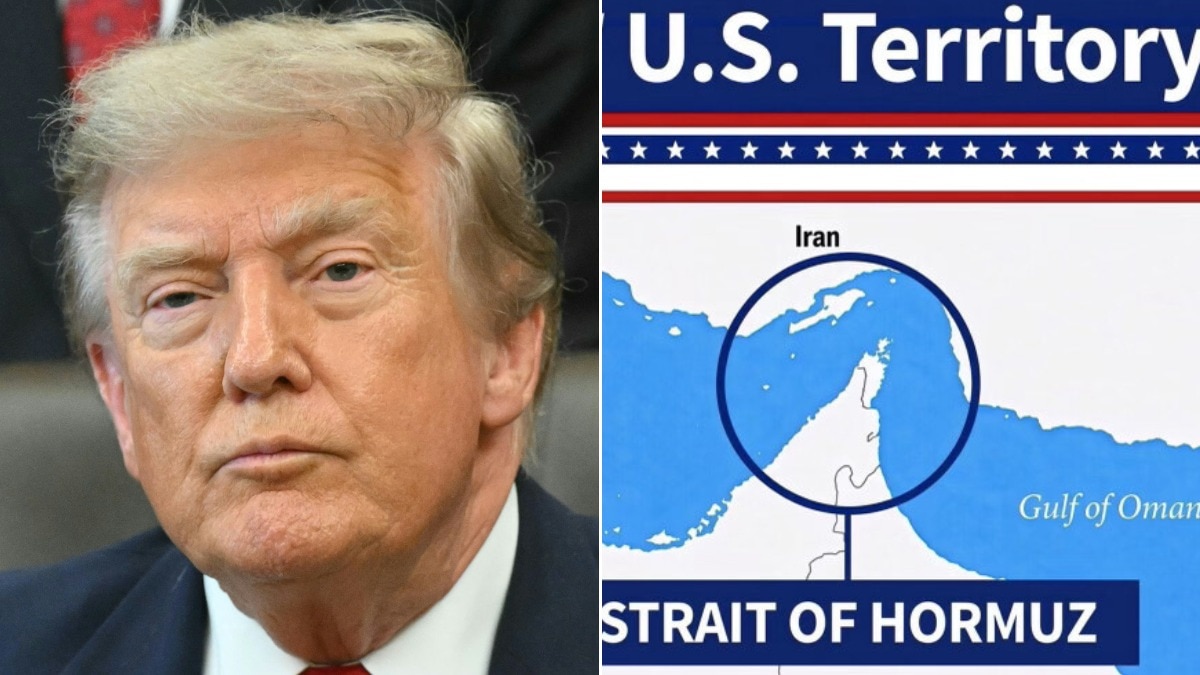
A major shift in global maritime logistics reveals that over 80% of ships are avoiding the Strait of Hormuz, signaling a potential decline in Iran's strategic leverage over global oil supplies.
- Over 80% of commercial vessels are bypassing the Strait of Hormuz.
- Shipping companies are opting for alternative routes near Oman to mitigate risks.
- Increased tensions and Iranian maritime attacks are driving this massive diversion.
In a significant shift for global maritime security, recent tracking data indicates that Iran is losing its dominant influence over the Strait of Hormuz. A leading tracking firm has reported that more than 80% of vessels are now choosing to bypass this critical chokepoint, opting instead for safer, alternative maritime routes.
The diversion is largely attributed to the heightened geopolitical tensions in the region. With Iran frequently accused of targeting commercial vessels, shipping companies are prioritizing safety by navigating through waters closer to Oman to avoid potential military confrontations or seizures.
Why This Matters
BozokMedia analysis shows that the erosion of Iran's control over the Strait of Hormuz could fundamentally alter the landscape of global energy security. As the primary artery for the world's oil supply, any shift in how this waterway is used has immediate implications for global fuel prices and international trade stability.
The massive diversion of shipping traffic suggests that the market is actively de-risking from Iranian influence in the Persian Gulf.
The historical significance of the Strait of Hormuz cannot be overstated. It serves as a vital passage for nearly one-fifth of the world's total oil consumption. For decades, Tehran has used its proximity to this waterway as a powerful geopolitical tool to influence global politics and respond to international pressure.
However, the combination of strict U.S. sanctions targeting Iran's oil economy and the increasing frequency of maritime skirmishes has created a climate of uncertainty. While Iran claims control, the actual movement of global capital and cargo suggests a different reality: the world is looking for ways to move around Iran, not through it.
Frequently Asked Questions
Question 1: Why are ships avoiding the Strait of Hormuz?
Answer: Ships are diverting to avoid the risk of military attacks, seizures, or disruptions caused by regional geopolitical tensions involving Iran.
Question 2: What is the impact on global oil prices?
Answer: While diversion increases safety, it can lead to higher shipping costs and logistical complexities, which may eventually impact global oil prices.