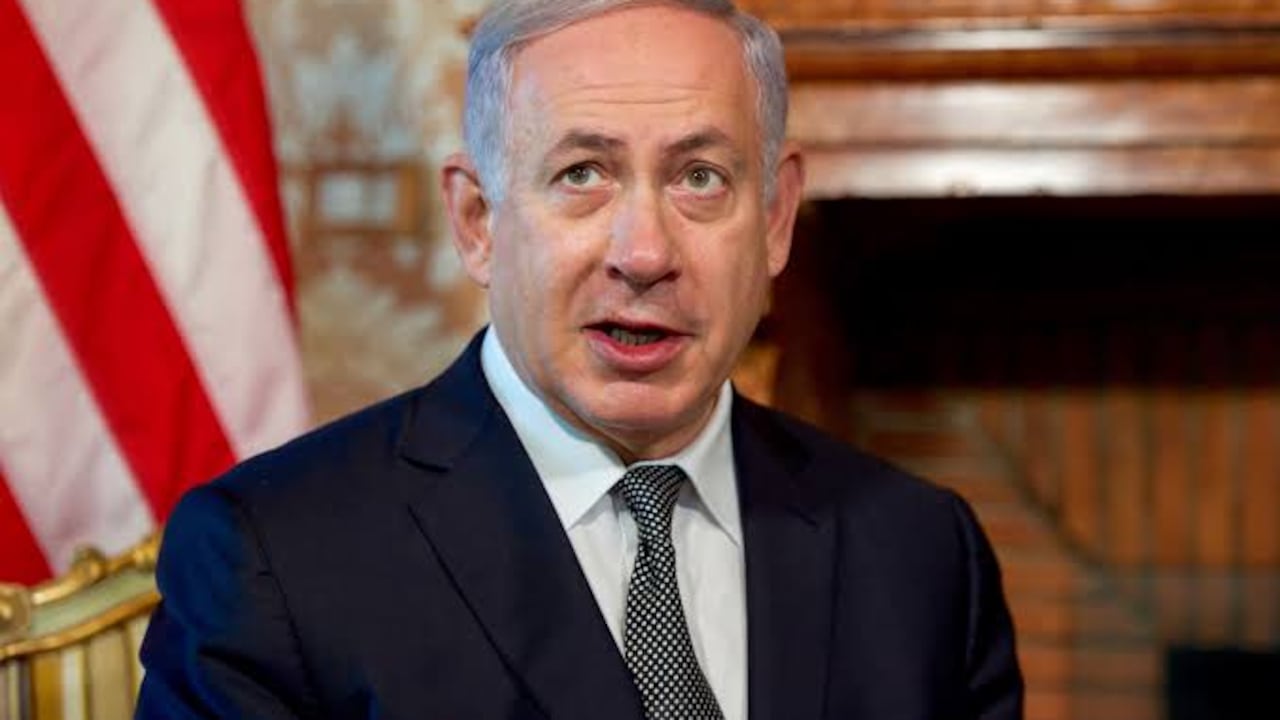
A major diplomatic rift has emerged after Malaysian PM Anwar Ibrahim's comments regarding Taiwan's status. While Taipei threatens trade repercussions, Beijing has lauded the remarks.
- Malaysian PM Anwar Ibrahim's remarks have sparked outrage in Taipei.
- Taiwan's Foreign Ministry has formally condemned the undermining of its sovereignty.
- China has welcomed Malaysia's reaffirmation of the 'One China' principle.
The Taiwanese Foreign Ministry has issued a stinging condemnation following remarks made by Malaysian Prime Minister Anwar Ibrahim that are perceived to undermine Taiwan's sovereignty. The diplomatic friction escalated quickly as Taipei expressed deep concern over the implications of these statements on regional stability and international norms.
The controversy stems from the Malaysian Prime Minister's alignment with the 'One China' principle, a stance that has drawn significant praise from Beijing. While the Chinese government views this as a respect for international consensus, the reaction in Taiwan has been one of intense fury, with political leaders labeling the remarks as a direct affront to their democratic autonomy.
Why This Matters
BozokMedia analysis shows that this tension is more than just a bilateral disagreement; it is a reflection of the intensifying tug-of-war in the Indo-Pacific region. As global powers navigate the complexities of relations with China, Southeast Asian nations find themselves in a precarious position, balancing economic ties with regional security concerns.
The shift in Malaysia's rhetoric underscores the growing pressure on ASEAN nations to navigate the volatile China-Taiwan dynamic.
In response to the remarks, Taipei has not remained silent, hinting at potential trade consequences. The threat of reviewing economic cooperation underscores how deeply interconnected the economies of the region are, and how political statements can swiftly translate into economic volatility. This tension places a significant strain on the existing diplomatic framework between Malaysia and Taiwan.
Historical Background
The cross-strait relations between Taiwan and mainland China have been a flashpoint of global politics for decades. While China claims sovereignty over the island, Taiwan operates as a self-governing democracy. For many Southeast Asian nations, maintaining a neutral stance is a delicate balancing act aimed at preserving both trade with China and security partnerships in the Pacific.
Frequently Asked Questions
Question 1: How did China react to the Malaysian PM's comments?
Answer: China welcomed the remarks, stating they align with the international community's recognition of the One China principle.
Question 2: What are the potential consequences for Malaysia?
Answer: Malaysia could face trade scrutiny or economic repercussions from Taiwan if the diplomatic standoff persists.