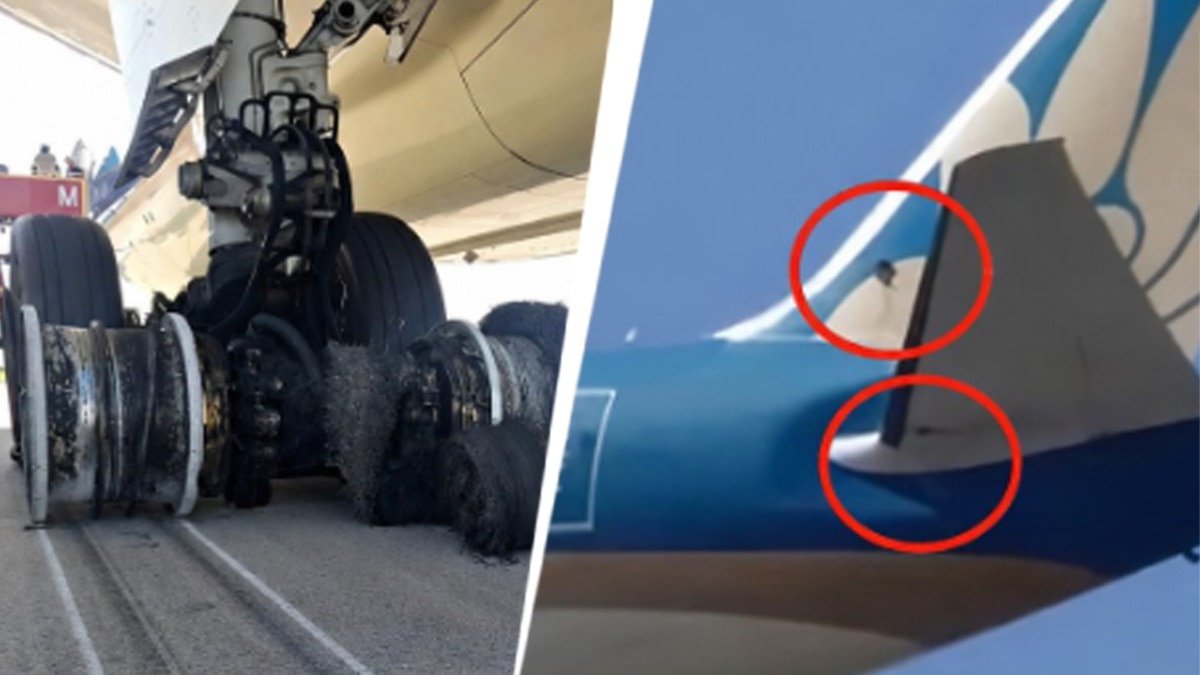
A commercial flight in Vietnam underwent a harrowing two-hour ordeal involving sudden speed drops, a tail strike, and a tyre burst during landing.
- The aircraft experienced two sudden drops in airspeed during the flight.
- A 'tail strike' occurred, where the rear of the plane struck the runway.
- A tyre burst further complicated the emergency landing procedure.
A commercial flight in Vietnam turned into a scene of intense drama as passengers and crew endured two hours of extreme tension. The aircraft encountered a series of critical technical malfunctions that threatened the safety of everyone on board. According to initial reports, the aircraft's speed dropped twice unexpectedly, causing immediate concern within the cockpit and the cabin.
The Escalating Crisis: From Speed Loss to Tail Strike
The situation escalated from technical instability to physical damage when the aircraft suffered a tail strike. A tail strike occurs when the rear underside of the fuselage makes contact with the runway during takeoff or landing, potentially causing significant structural damage. This was immediately followed by a tyre burst upon landing, adding a layer of chaos to an already critical situation.
Why This Matters
BozokMedia analysis shows that the convergence of multiple failures—airspeed instability, structural impact, and landing gear failure—is statistically rare and points toward either severe mechanical fatigue or a systemic maintenance oversight. Such incidents demand immediate scrutiny of the airline's safety protocols.
Aviation safety experts suggest that managing a sequence of such failures requires extraordinary pilot intervention to prevent a catastrophic hull loss.
Aviation authorities have launched a comprehensive investigation to determine the root cause. Investigators are looking into whether the speed fluctuations were caused by engine performance issues or flight control malfunctions, and how the landing gear failed so catastrophically.
Historical Background
In the history of commercial aviation, tail strikes and tyre bursts have been leading contributors to runway excursions and serious accidents. While modern aircraft are built to withstand significant stresses, the cumulative effect of multiple failures can overwhelm even the most advanced safety systems, making rigorous maintenance non-negotiable.
Frequently Asked Questions
1. What is a tail strike in aviation?
Answer: A tail strike is an incident where the tail section of an aircraft touches the ground, typically during landing or takeoff.
2. Was anyone injured in the Vietnam flight incident?
Answer: While the situation was highly tense, reports indicate that the primary focus was on managing the mechanical crisis and ensuring passenger safety.