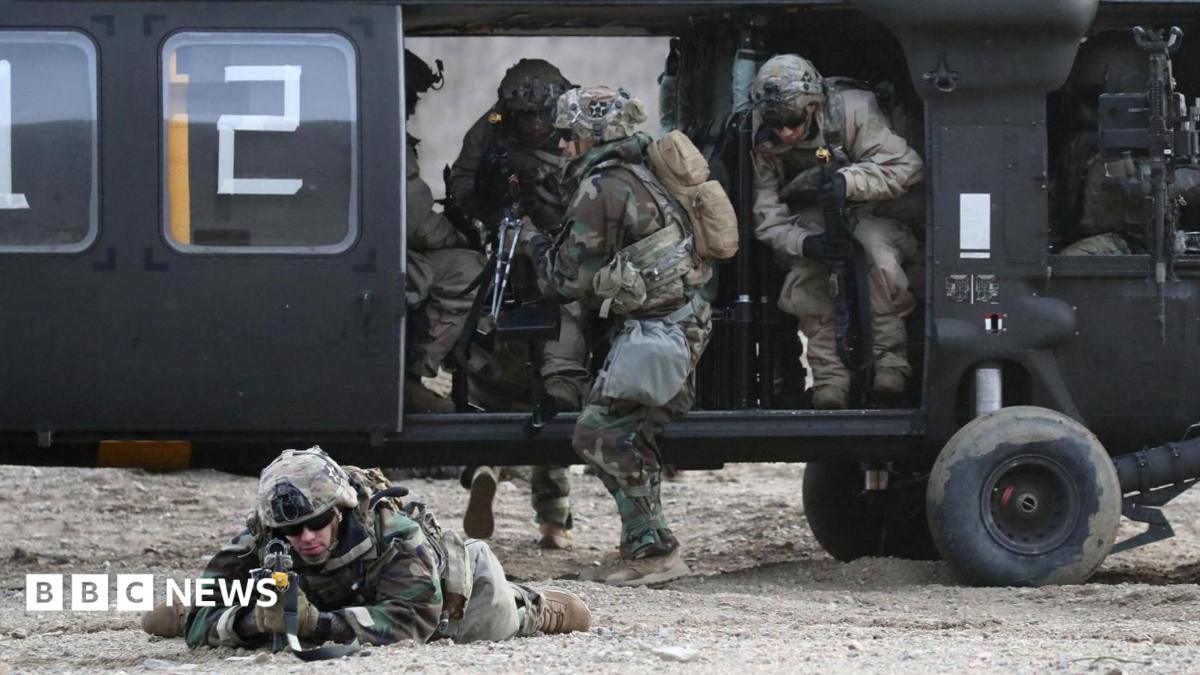
In a major strategic pivot, US-led joint military exercises with South Korea are being cut short by six days, coinciding with reports of Donald Trump seeking talks with Kim Jong-un.
- Joint US-South Korea military drills will conclude six days ahead of schedule.
- The decision follows requests from Washington amid potential diplomatic outreach to North Korea.
- South Korean leadership maintains a stance of non-aggression toward Pyongyang.
The geopolitical landscape of the Korean Peninsula is witnessing a significant shift as South Korea announced that the ongoing US-led joint military exercises will be curtailed. The drills, which are designed to bolster regional security, are set to end six days earlier than originally planned. This sudden adjustment comes at a critical juncture, as reports suggest Donald Trump is pushing for renewed summit talks with North Korean leader Kim Jong-un.
According to various intelligence and news sources, the reduction in the scale and duration of these exercises was requested by Washington. The move has left many in the defense community baffled, as these drills have traditionally served as a cornerstone of the US-South Korea security alliance and a deterrent against North Korean aggression.
Why This Matters
BozokMedia analysis shows that this decision represents a strategic de-escalation attempt. By reducing the visibility of large-scale military maneuvers, the US may be attempting to create a 'diplomatic window' that makes it easier for North Korea to engage in dialogue without feeling immediate existential threats.
The transition from military posturing to diplomatic engagement requires a delicate balance of strength and signaling.
The South Korean President addressed the growing concerns, emphasizing that there is 'no intention to attack North Korea.' While acknowledging the confusion surrounding the order to cut the exercises, the President stressed the enduring strength of the US-South Korea alliance, even as tactical adjustments are made to accommodate changing political realities.
Historically, these joint exercises have been a flashpoint for tension. Every time the US and South Korea ramp up their military presence, Pyongyang typically responds with missile tests or aggressive rhetoric. The current move suggests a shift in strategy—moving away from provocation and toward potential rapprochement under a potential Trump administration's influence.
Frequently Asked Questions
Question 1: Why are the drills being shortened?
Answer: The reduction is reportedly a request from Washington, aimed at facilitating potential diplomatic discussions with North Korea.
Question 2: How has South Korea responded to this change?
Answer: South Korea has maintained that its alliance with the US remains strong and that its policy toward North Korea is not one of aggression.