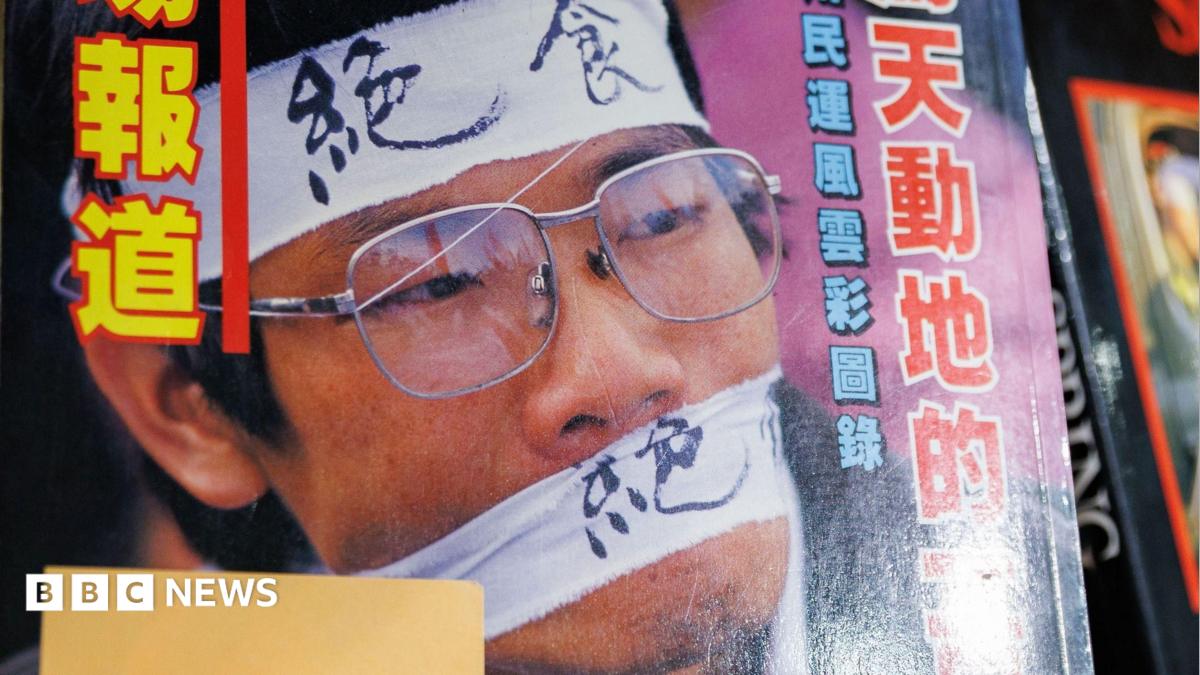
Once a sanctuary for forbidden knowledge and diverse perspectives, Hong Kong's independent bookstores are facing an existential crisis due to tightening security laws.
- Independent bookstores in Hong Kong are closing rapidly following police raids.
- Owners face serious charges of sedition and money laundering under the National Security Law (NSL).
- These shops served as vital intellectual links for readers from mainland China.
In the bustling streets of Sham Shui Po, a quiet crisis is unfolding. The independent bookstores that once served as windows to a freer world are being shuttered one by one. The recent raid on Hunter Bookstore and the subsequent arrest of its owner have sent shockwaves through the literary community, signaling a grim new era for Hong Kong's intellectual landscape.
Cracking Down on Knowledge
Since the implementation of the National Security Law (NSL), the atmosphere in Hong Kong has shifted from vibrant dissent to cautious silence. Authorities have increasingly targeted bookshops that stock 'sensitive' material. From Book Punch to the historic Greenfield Bookstore, which recently announced its closure after 50 years, the pattern is clear: literature that challenges the status quo is being treated as a security threat. Charges of sedition and money laundering have become the primary tools used to dismantle these cultural hubs.
A Lifeline for Mainland Readers
For many young readers from mainland cities like Guangzhou and Shanghai, these bookstores were more than just retail spaces; they were portals. In a landscape of heavy internet censorship, these shops offered access to suppressed histories, such as the Tiananmen Square massacre, and allegorical works like George Orwell's Animal Farm. To them, a trip to Hong Kong was a pilgrimage for the truth.
The systematic targeting of bookstores represents a strategic effort to erase the collective memory of a generation.
BozokMedia Analysis
BozokMedia analysis shows that the crackdown is not merely about legal compliance but is a fundamental restructuring of Hong Kong's identity. By targeting the physical spaces where ideas are exchanged, the state is effectively sanitizing the public discourse. This is a sophisticated form of soft-power control that aims to ensure that the only history available is the one sanctioned by the authorities.
Why This Matters
The disappearance of these bookstores marks the erosion of Hong Kong's unique role as a bridge between the East and a more liberal global discourse. When the spaces for questioning are removed, the capacity for independent thought diminishes, posing a long-term threat to the city's social and intellectual vitality.
Frequently Asked Questions
1. Why are bookstores in Hong Kong being raided?
They are being targeted under the National Security Law for allegedly stocking books that promote sedition or challenge state authority.
2. How does this affect readers from mainland China?
It limits their access to alternative perspectives and historical accounts that are not permitted on the mainland's controlled internet.