Tehran has issued a stern warning to nearby nations, cautioning them against participating in US-led economic warfare. Iranian security officials have even threatened 'earthquake-like' retaliation in response to increasing US pressure.
- Iran has warned neighboring countries not to join US-led economic warfare efforts.
- Security chiefs have threatened 'earthquake-like' retaliation if US pressure escalates.
- The warning specifically targets nations hosting US military bases in the region.
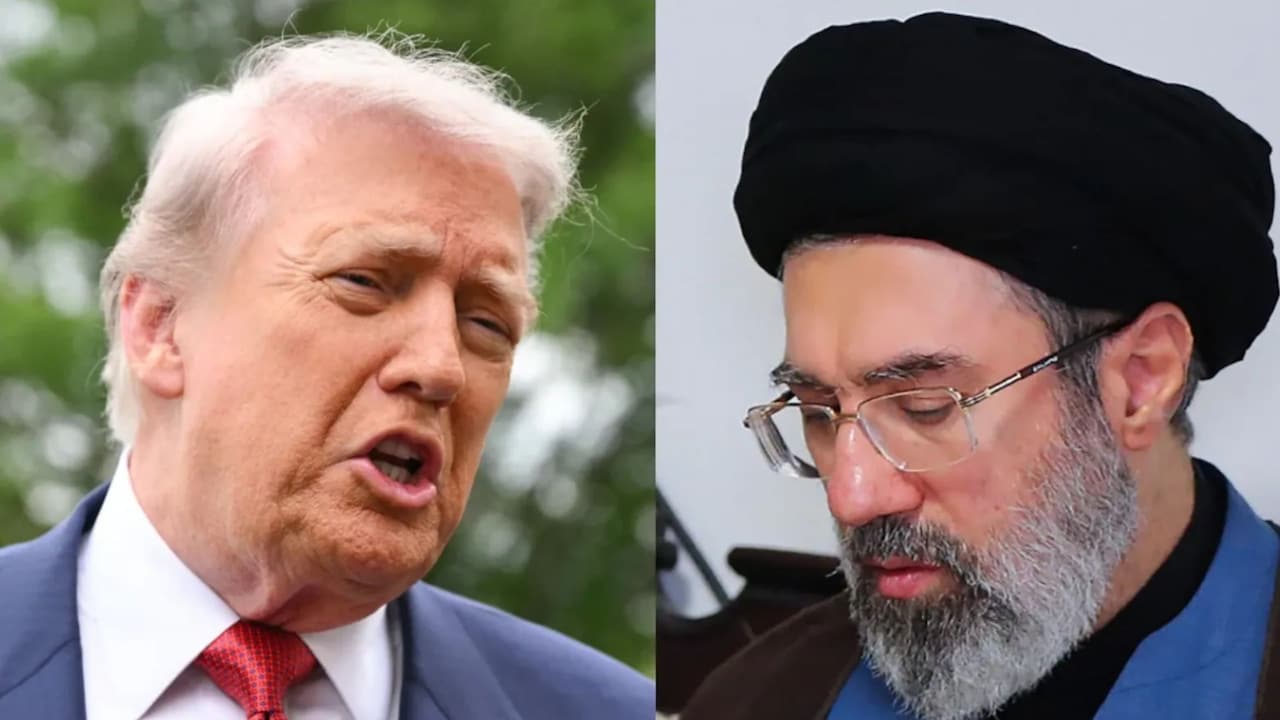
In a significant escalation of regional rhetoric, Iran has issued a direct warning to its neighboring nations, cautioning them against participating in what Tehran describes as the United States' 'economic war.' This warning comes amid intensifying geopolitical friction and heightened economic sanctions aimed at curbing Iran's regional influence.
The Iranian security leadership has not stopped at diplomatic warnings. In a chilling statement, officials suggested that any further escalation of US-led pressure could trigger a response described as being as devastating as an 'earthquake.' This aggressive stance is intended to signal that Iran is prepared to utilize its full strategic capabilities to defend its economic and political sovereignty.
Why This Matters
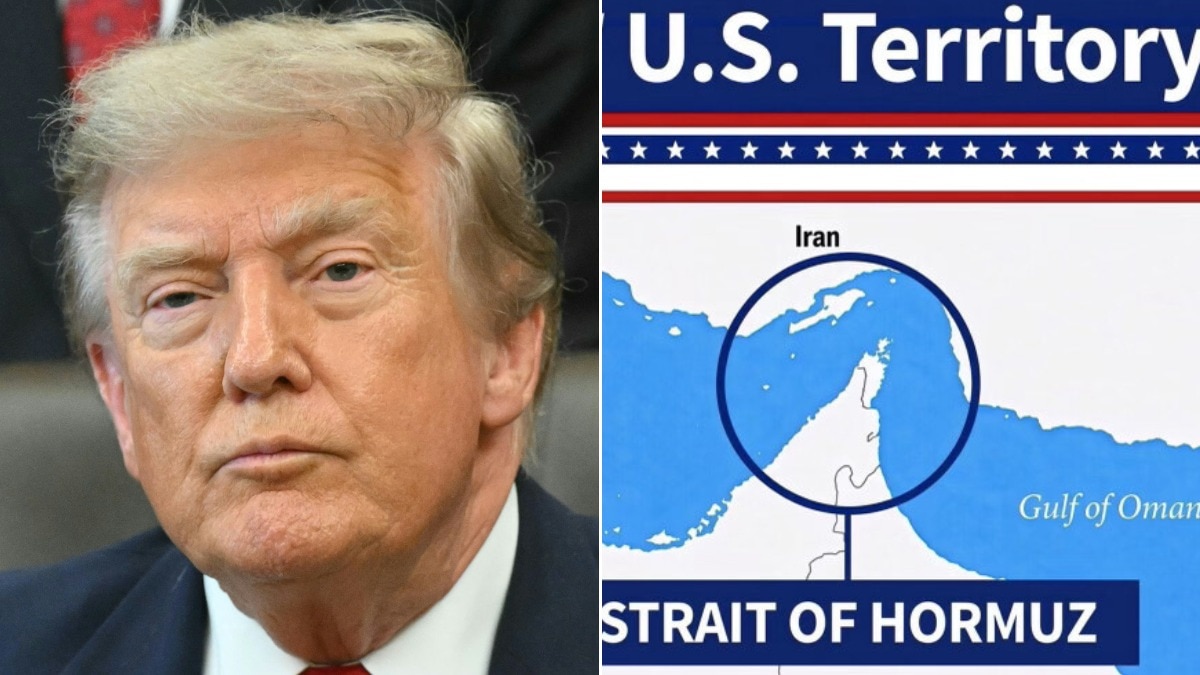
BozokMedia analysis shows that this confrontation is not merely about economics but is a fundamental struggle for regional hegemony. If neighboring states choose to align more closely with US economic policies, it could lead to a complete breakdown of regional cooperation and potentially trigger a massive conflict that disrupts global energy markets, particularly near the Strait of Hormuz.
The use of catastrophic metaphors like 'earthquakes' indicates a shift from traditional diplomacy to a strategy of maximum deterrence.
Furthermore, the Iranian leadership has specifically targeted Gulf countries that host US military bases. Tehran has accused these nations of providing 'full support' to US interests during periods of tension, arguing that such cooperation undermines the collective security of the Middle East.
The historical context of this tension is deep-rooted. For decades, the US and Iran have been locked in a cycle of sanctions and counter-measures. While the US views economic pressure as a tool to prevent nuclear proliferation, Iran views it as an act of aggression designed to destabilize its government and economy.
Frequently Asked Questions
1. What is the nature of Iran's threat?
Iran has threatened 'earthquake-like' retaliation, implying a massive and destructive response to increased US pressure.
2. Why is Iran targeting neighboring countries?
Tehran wants to prevent regional neighbors from participating in US-led economic sanctions and hosting US military forces.