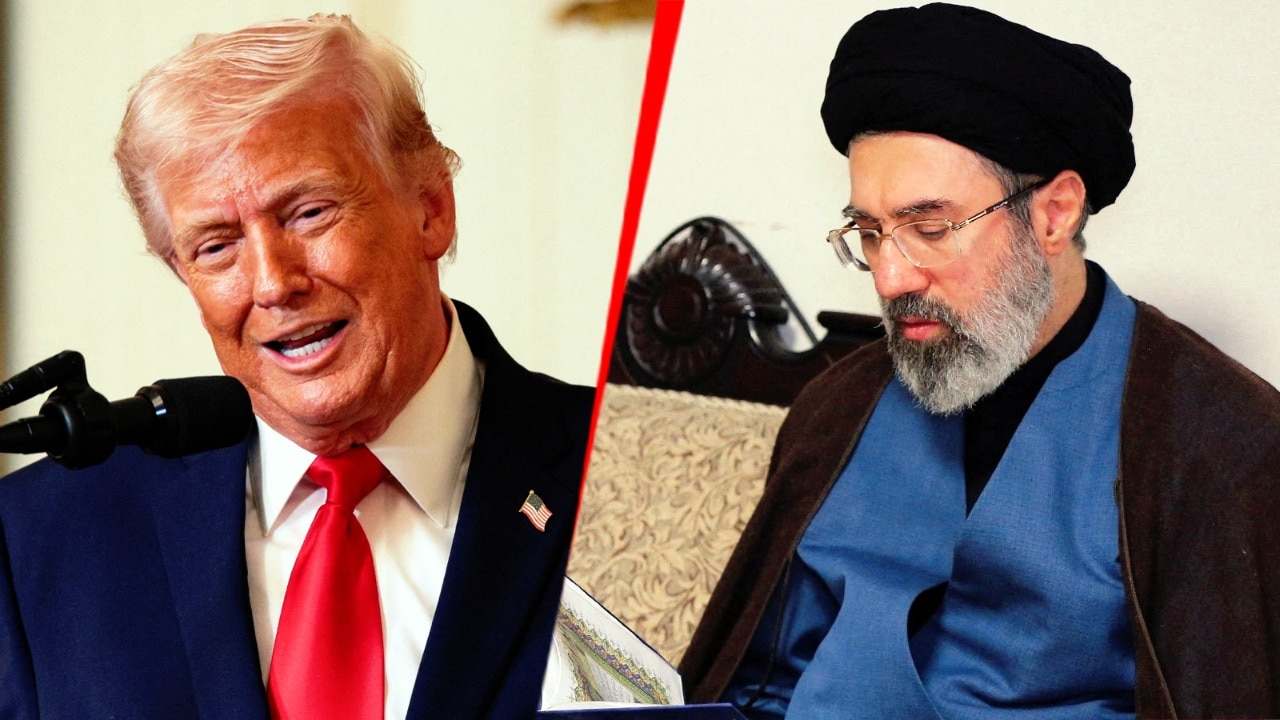
Iranian President Masoud Pezeshkian has proposed ending the conflict with the US, claiming Tehran holds a position of power. Meanwhile, Washington prepares a massive sanctions offensive.
- President Pezeshkian seeks an end to the war, citing Iran's strength.
- US Treasury is preparing a major sanctions campaign against Tehran.
- Oman is acting as a mediator to facilitate renewed dialogue.
- Military tensions remain high in the Strait of Hormuz.
Iranian President Masoud Pezeshkian has made a significant diplomatic overture, calling for an end to the months-long conflict with the United States. Speaking to medical professionals, Pezeshkian asserted that Iran is currently in a 'position of power and dignity,' suggesting that the time is ripe to conclude the war on favorable terms. He further accused the US of violating international regulations by targeting civilian infrastructure, including schools and hospitals.
Diplomatic Friction vs. Military Readiness
The President's comments come amidst intense domestic pressure. Hardline critics in the Iranian parliament have accused his administration of making concessions to Washington through a recent memorandum of understanding. Pezeshkian dismissed these claims, stating that the agreement contains no elements of capitulation. However, the military stance remains uncompromising. Major-General Ali Abdollahi, Chief of Staff of the armed forces, warned that Iran is prepared to deliver 'crushing and devastating' responses to any new threats.
The interplay between Pezeshkian's diplomatic rhetoric and the military's aggressive posture suggests a highly calculated strategy of brinkmanship.
Why This Matters
BozokMedia analysis shows that the conflict has shifted from a purely kinetic war to a high-stakes economic battleground. The control of the Strait of Hormuz is central to this struggle. While the US Navy attempts to protect oil tanker convoys, Tehran maintains partial control over the waterway, creating a volatile environment for global energy markets.
The geopolitical implications are amplified by the involvement of regional players like Oman, which is actively working to create conditions for resumed negotiations. The stability of the Middle East hinges on whether diplomacy can outpace the escalating economic warfare.
Historical Background
The animosity between Tehran and Washington is rooted in decades of geopolitical rivalry, dating back to the 1979 Revolution. Over the years, issues regarding nuclear proliferation, regional proxy wars, and economic sanctions have consistently fueled the fire of confrontation between these two powers.
Frequently Asked Questions
1. What is the current status of the US-Iran conflict?
The conflict is currently characterized by military tension and an intensifying economic war through sanctions.
2. How does the Strait of Hormuz affect the world?
As a vital chokepoint for global oil transit, any disruption in the strait can lead to a massive spike in global energy prices.