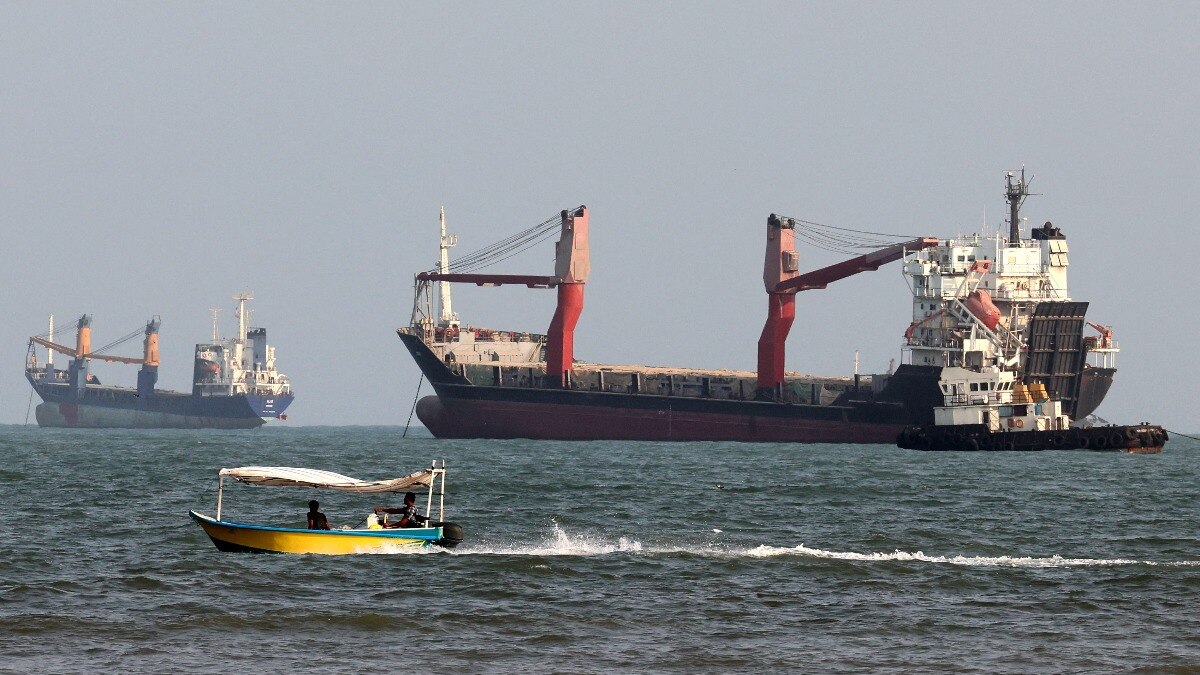
Iran has announced a new protocol to detain and confiscate any vessels that breach international maritime rules in the Strait of Hormuz. The decision could heighten regional tensions and impact global oil supplies.
- Iran will detain ships violating its maritime rules in the Hormuz Strait.
- Future passages for these vessels will face restrictions.
- Potential ripple effects on diplomatic talks and oil trade.
Iran officially declared that it will stop, board, and seize any vessel that fails to adhere to its prescribed navigation routes or security protocols within the strategic Strait of Hormuz. The announcement was detailed in a press release issued by the PGSA (PressTV).
Scope of the New Regulation
Under the new rule, any ship that does not comply with Iran‑mandated maritime guidelines will be taken into custody immediately and barred from future transit through the strait. Tehran frames the move as essential for bolstering its maritime security and safeguarding sovereign waters.
Regional and Global Implications
The Strait of Hormuz carries roughly 20% of the world’s daily oil shipments. Restricting traffic here could trigger price volatility and disrupt global supply chains, especially for energy‑dependent economies.
U.S. and International Reaction
The United States has condemned the policy as a breach of international maritime law, warning of possible economic sanctions. European allies have called for diplomatic dialogue to de‑escalate the situation.
Why This Matters
BozokMedia analysis shows that control over critical sea lanes is a hallmark of geopolitical leverage; Iran’s hardline stance in Hormuz may destabilize regional security and reshape global shipping routes.
"Iran’s new Hormuz policy could spike oil prices in the short term and force shipping companies to seek alternative routes," says international security expert Dr. Ali Raza.
Frequently Asked Questions
Q1: Will this protocol apply to all foreign vessels?
A: Yes, any ship that violates Iran’s security standards will be subject to detention and future passage bans.
Q2: How might this affect global oil prices?
A: Analysts predict a short‑term price surge, while long‑term impacts will depend on market adjustments and diplomatic outcomes.