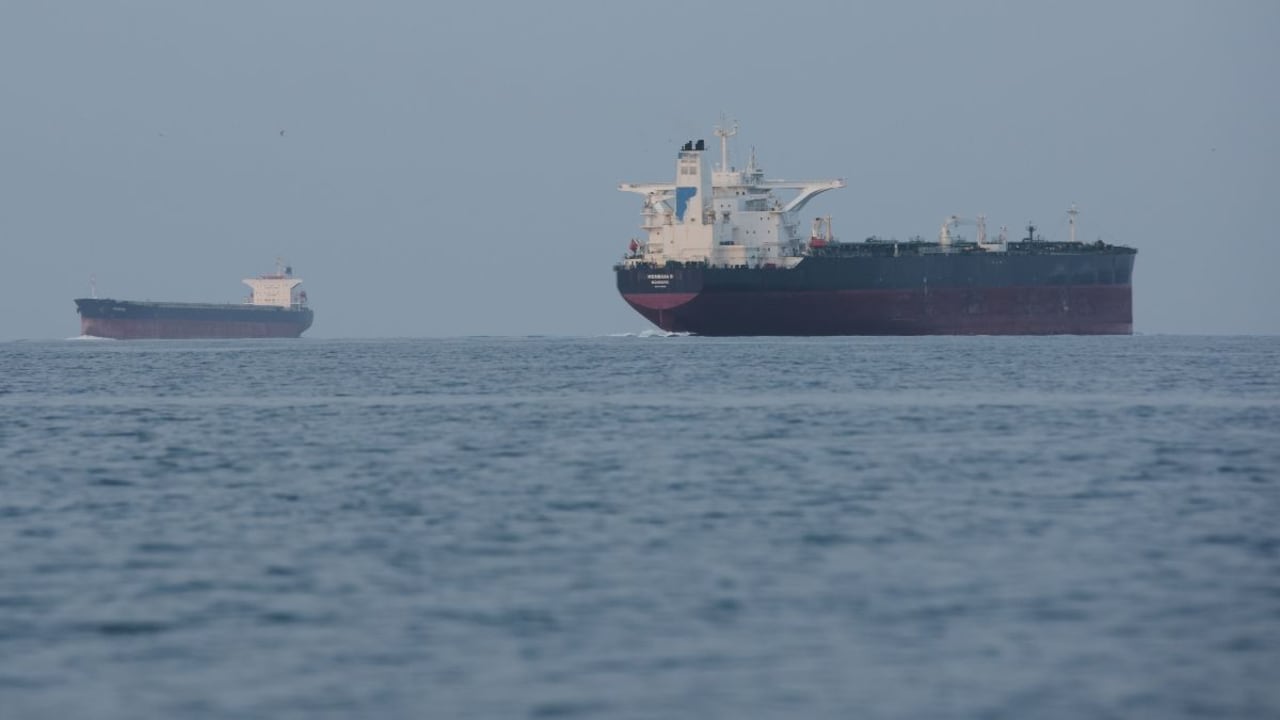
The USS Abraham Lincoln has docked in San Diego after an extended Middle East deployment, sparking heightened demands for a probe into crew living conditions. Families and lawmakers are urging the Navy for transparency and reform.
- USS Abraham Lincoln completed its Middle East mission.
- Families and legislators are demanding a probe into crew conditions.
- The return reflects a shift in US Navy strategy amid Iran tensions.
USS Abraham Lincoln entered San Diego's harbor this week following a two‑month deployment across the Middle East, drawing intense scrutiny over the welfare of the sailors aboard. The nuclear‑powered carrier, which was on station since early 2024, is now home.
During its tenure, the carrier conducted more than 20,000 flight operations and over 100 maritime missions, supporting air strikes in Iraq and Syria and maintaining a persistent presence in the Gulf to deter Iranian aggression.
Families of crew members and several Senate leaders have publicly raised concerns about basic amenities, mental‑health resources, and living quarters on the ship. Former President Trump and Defense Secretary Hegseth also referenced the issue, amplifying media attention.
In a parallel strategic move, the US Navy has shifted the Japan‑based USS George Washington to the Middle East, while pulling Abraham Lincoln back to the United States for a comprehensive review of its onboard conditions. This maneuver underscores American naval flexibility amid rising regional tensions with Iran.
Historical Background
American carrier deployments in the Middle East date back to the early 1990s, with vessels playing pivotal roles in Gulf conflicts. Over the past decades, several incidents—most notably the 2012 USS Arizona crew‑wellness investigations—have prompted the Navy to revamp housing standards and mental‑health programs for sailors on long‑duration missions.
Why This Matters
BozokMedia analysis shows that the scrutiny over USS Abraham Lincoln highlights broader concerns about crew welfare in an era of prolonged deployments, potentially reshaping future naval staffing and deployment policies.
"A healthy, well‑supported crew is the backbone of any effective maritime power," notes naval security expert Dr. Emily Carter.
Frequently Asked Questions
Question 1: What were the main missions of USS Abraham Lincoln in the Middle East?
Answer: Key missions included providing air support for operations in Iraq and Syria, ensuring maritime security in the Persian Gulf, and deterring potential Iranian aggression.
Question 2: How might the probe into crew conditions affect future carrier deployments?
Answer: If serious violations are found, the Navy may adopt new policies on deployment length, onboard facilities, and psychological support to safeguard sailor welfare.