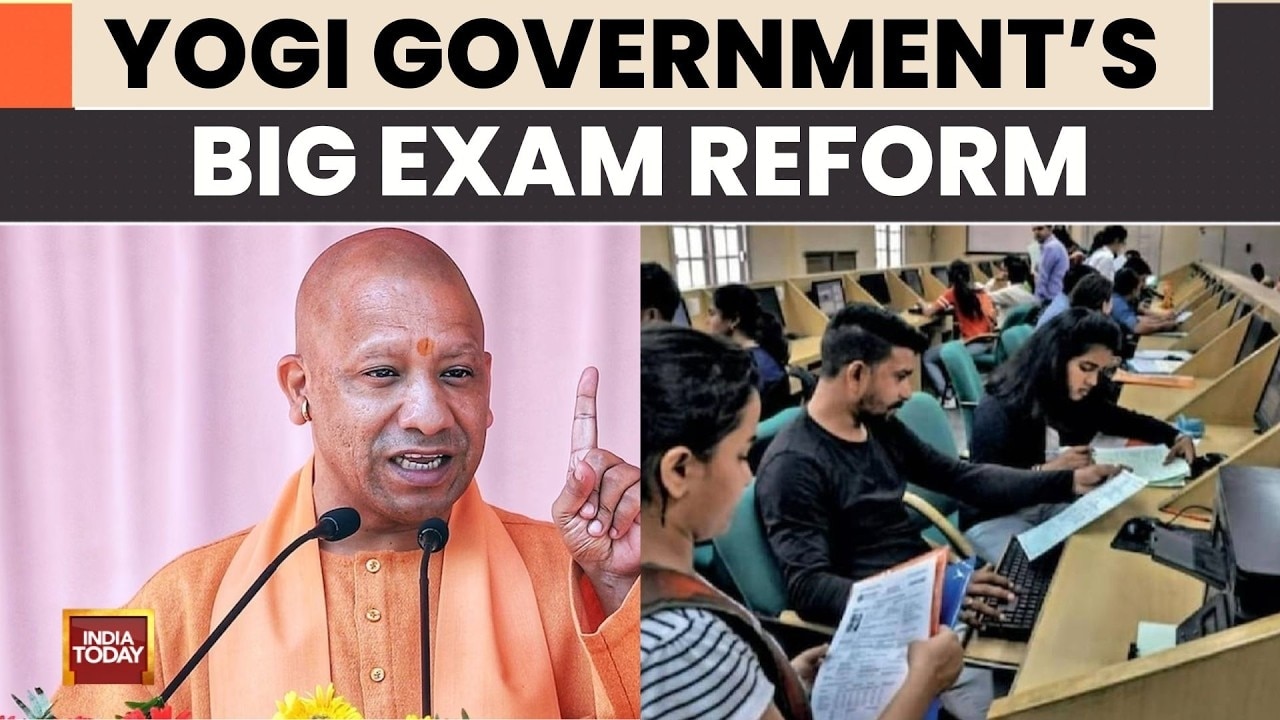
In Beijing's 25th round of border talks, National Security Advisor Ajit Doval and China's Foreign Minister Wang Yi emphasized institutionalising stability, while scholar Hu Shisheng warned that deep structural differences between the two powers persist.
- Both sides prioritize institutionalising border stability.
- Structural differences remain; no quick settlement expected.
- Creating a favourable political climate before the BRICS summit is a top goal.
Background of the Talks
On August 25, 2026, India and China convened the 25th Special Representative (SR) level dialogue in Beijing to discuss the longstanding boundary issue. National Security Advisor Ajit Doval and Chinese Foreign Minister Wang Yi led their delegations, also reviewing overall bilateral relations ahead of President Xi Jinping’s scheduled visit to India for the upcoming BRICS summit.
Hu Shisheng’s Assessment
Hu Shisheng, director of the South Asia Institute at the China Institutes of Contemporary International Relations (CICIR), told The Hindu that "the immediate focus on the border will be less about a dramatic settlement and more about institutionalising stability." He highlighted the need to prevent misunderstandings along the LAC, strengthen military‑diplomatic communication, and turn last year’s “early harvest” concept into an operational process.
Procedural Progress and Remaining Gaps
Last year’s 24th round resulted in an agreement to set up an Expert Group under the Working Mechanism for Consultation and Coordination (WMCC) to explore early delimitation. While two WMCC meetings this year have advanced procedural discussions, no public sector‑specific delimitation agreement has emerged. Hu stresses that the next realistic step is to operationalise the Expert Group, define its mandate, timetable and criteria for identifying less contentious sectors.
Why This Matters
BozokMedia analysis shows that institutionalising stability on the India‑China border not only reduces the risk of accidental clashes but also creates a conducive environment for high‑level diplomatic engagements, especially ahead of the BRICS summit in New Delhi.
Institutionalising stability is the most pragmatic path to enduring peace.
Frequently Asked Questions
Q1: Was any new border agreement reached during this round?
A: No concrete sectoral delimitation was signed; the focus remained on procedural advancement.
Q2: How will the upcoming BRICS summit influence India‑China relations?
A: The summit offers a platform for deeper economic and strategic cooperation, potentially easing border tensions.