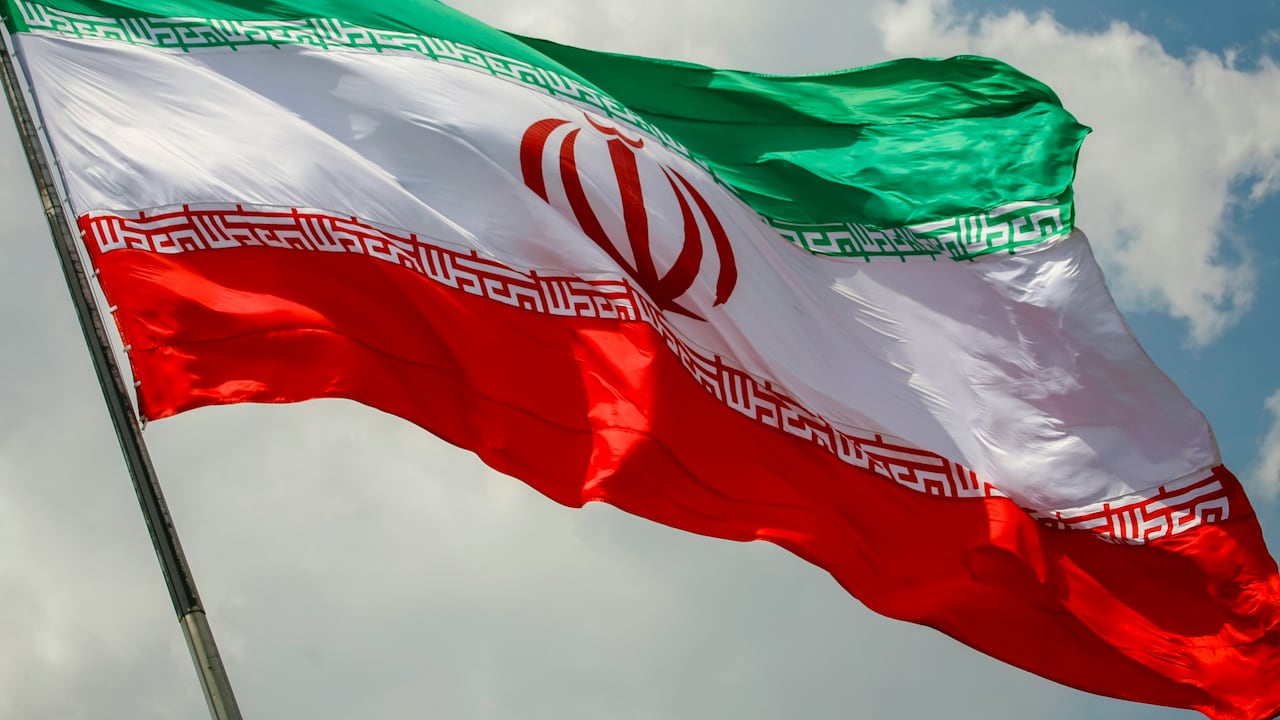
Financial strategist Scott Bessent has issued a stark warning regarding a looming 'economic D-Day' for Iran, suggesting a massive shift in financial pressure and sanctions. This potential economic collapse could reshape geopolitical dynamics in the Middle East.
- Scott Bessent predicts a decisive 'Economic D-Day' targeting Iran's financial stability.
- The strategy focuses on leveraging economic pressure to force geopolitical concessions.
- Potential escalation of sanctions could lead to a systemic collapse of the Iranian Rial.
In a provocative assessment of global financial warfare, Scott Bessent has signaled that the Islamic Republic of Iran is approaching what he describes as an "economic D-Day." This term, evoking the scale of the historic Allied invasion of Normandy, suggests a coordinated and overwhelming financial assault designed to bring the Iranian economy to a breaking point.
The core of this strategy involves the aggressive implementation of "maximum pressure" campaigns, targeting Iran's primary revenue streams—most notably its oil exports. By restricting the ability of the Iranian state to monetize its natural resources, the goal is to create an unsustainable fiscal deficit that forces the regime to negotiate on nuclear proliferation and regional proxy conflicts.
Why This Matters
BozokMedia analysis shows that this is not merely about trade deficits, but about the weaponization of the US Dollar and the global banking system (SWIFT). If an 'Economic D-Day' is executed, it would signal a shift from containment to active financial dismantling. This could lead to hyperinflation within Iran, potentially triggering internal civil unrest and a shift in the domestic power balance.
The intersection of energy dependence and financial isolation creates a volatility trap from which few regimes recover without significant structural concessions.
Historically, Iran has attempted to mitigate such pressures through "resistance economy" policies and increasing trade ties with China and Russia. However, the scale of the proposed economic offensive suggests a level of coordination among Western allies that could bypass these alternative trade routes, leaving Tehran isolated.
The implications extend beyond Iran's borders. A sudden economic collapse in Tehran could destabilize regional markets and lead to an increase in refugee flows or a desperate escalation in military provocations as a means of diverting internal attention from economic misery.
Frequently Asked Questions
What does 'Economic D-Day' mean in this context?
It refers to a coordinated, massive financial strike using sanctions and banking restrictions to cripple a nation's economy.
How can Iran protect itself from such a move?
Iran typically seeks to diversify its trade partners, specifically strengthening ties with the BRICS nations to reduce reliance on the US Dollar.