Iranian Economy Minister Ali Madanizadeh declared a two‑year plan to neutralize the latest U.S. sanctions, calling it another defeat for Washington. The strategy focuses on diversifying the economy and creating alternative financial channels.
- Iran has drafted a two‑year strategy to counter fresh U.S. sanctions.
- Economy Minister Ali Madanizadeh labeled it "another defeat for the United States."
- The plan emphasizes economic diversification, alternative payment systems, and boosting domestic production.
Iranian Economy Minister Ali Madanizadeh told reporters on Monday that the Islamic Republic has a concrete two‑year plan to overturn Washington’s newest sanctions, describing it as "another defeat for the United States." His statement underscores Tehran’s resolve to mitigate external pressure.
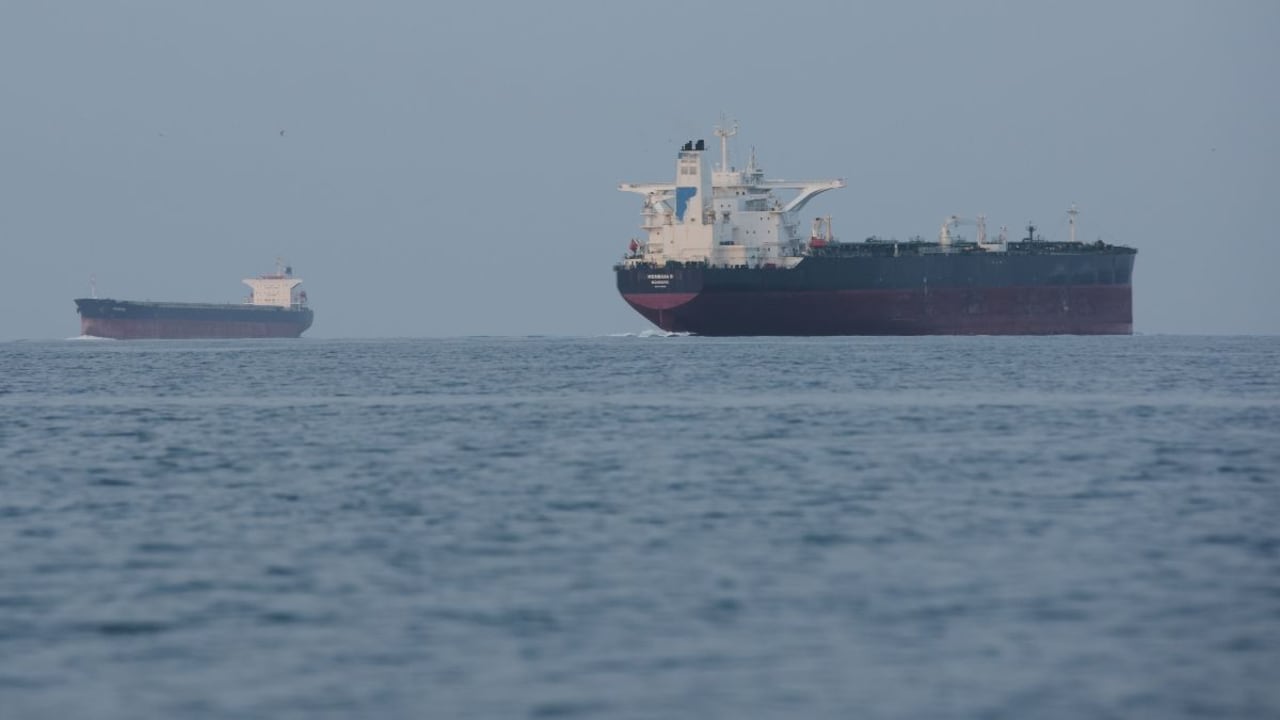
The United States recently imposed stricter measures targeting Iran’s oil exports, financial transactions, and technology transfers. These sanctions add to an already strained economy grappling with high inflation and dwindling foreign investment.
Madanizadeh outlined three pillars of the two‑year roadmap: (1) reducing reliance on oil through economic diversification, (2) establishing alternative international payment networks, and (3) fostering domestic manufacturing. Tehran aims to deepen trade ties with Asia‑Pacific partners and accelerate the use of a digital currency to bypass traditional banking channels.
This is not Iran’s first attempt at sanction resilience. In 2012, after a wave of U.S. sanctions, Tehran implemented similar restructuring measures that partially stabilized its export earnings. Lessons from that period are now shaping a more targeted approach.
Regional implications are significant. A successful Iranian counter‑strategy could inspire neighboring states to adopt alternative financial mechanisms, potentially reshaping Middle‑East economic alliances and influencing global energy markets.
"Iran’s two‑year roadmap is less about short‑term survival and more about re‑asserting its geopolitical influence," noted Dr. Rachel Kim, professor of International Relations.
Why This Matters
BozokMedia analysis shows that Iran’s plan could erode the effectiveness of U.S. economic pressure and accelerate the emergence of alternative financial protocols worldwide, opening new pathways for countries seeking to sidestep Western sanctions.
Frequently Asked Questions
Q1: What sectors will Iran prioritize in its two‑year plan?
A: The strategy focuses on diversifying away from oil, building alternative payment infrastructure, and boosting domestic industrial output.
Q2: What could be the international ramifications if the plan succeeds?
A: Success could weaken U.S. sanction leverage and encourage other nations to develop similar counter‑sanction mechanisms.