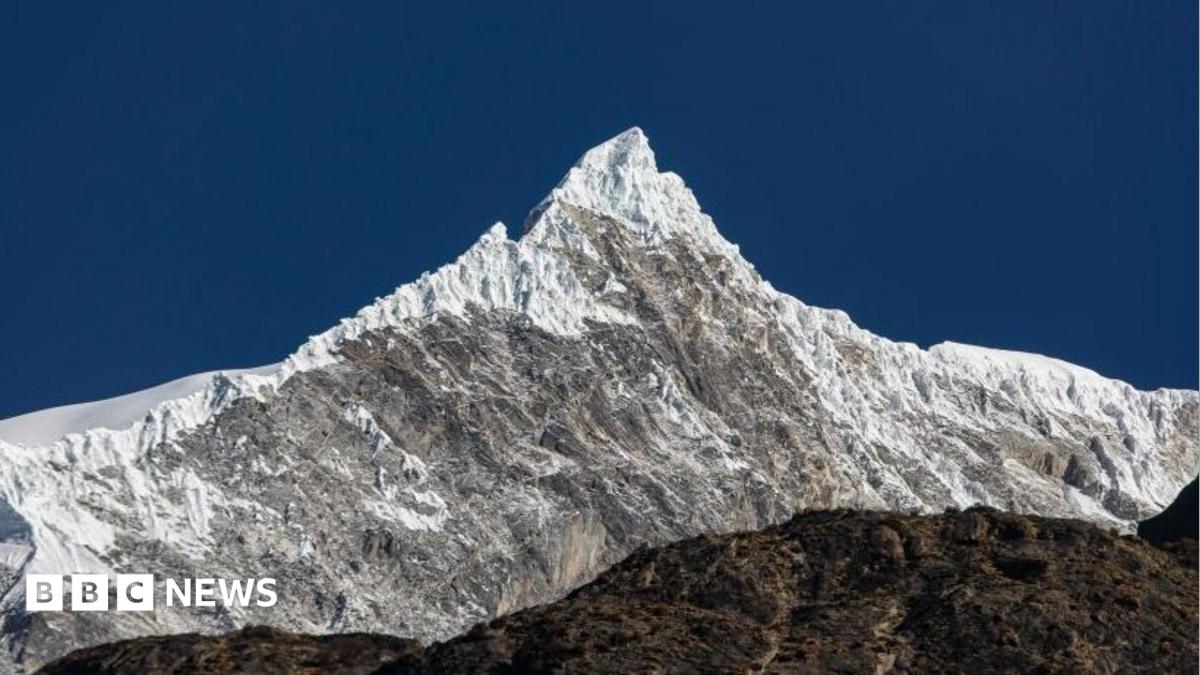
A catastrophic flash flood and mudslide have struck the border region between Nepal and Tibet, leaving at least 31 dead and hundreds of tourists missing.
- Deadly flash flood and mudslide hit the Nepal-Tibet border region.
- At least 31 fatalities confirmed; hundreds of tourists remain missing.
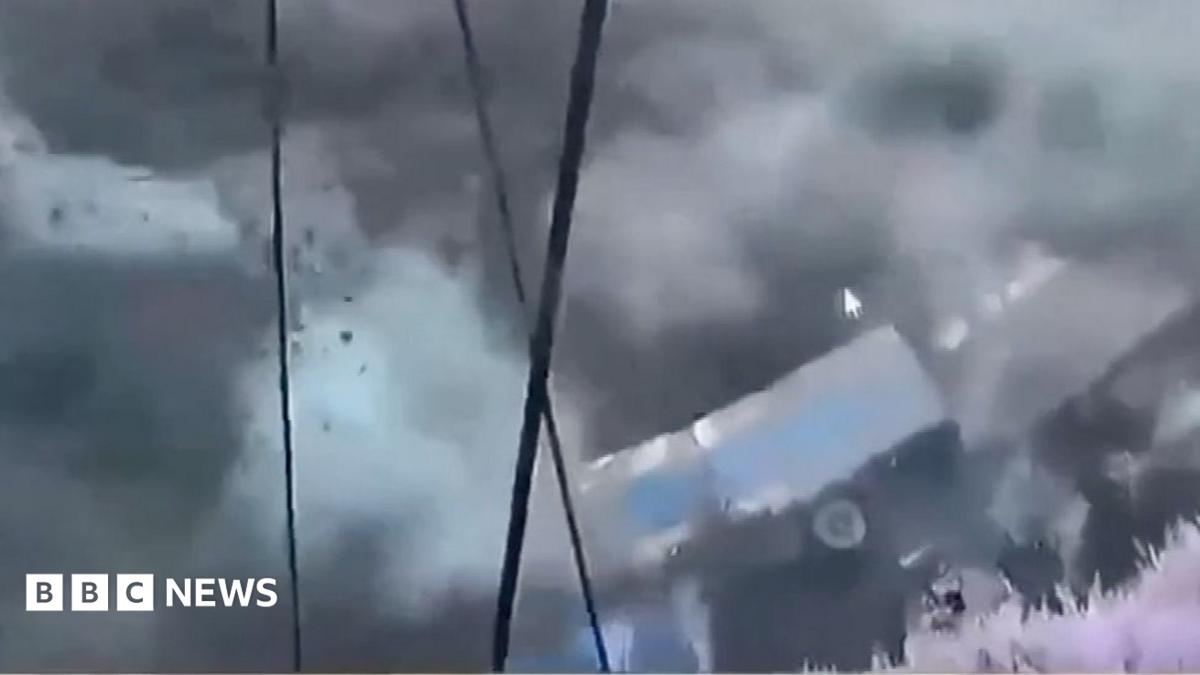
- Visual evidence shows bridges being destroyed by powerful torrents.
A catastrophic natural disaster has struck the high-altitude border region between Nepal and Tibet. A massive flash flood, accompanied by intense mudslides, has swept through the area, causing widespread destruction. Preliminary reports confirm that at least 31 people have lost their lives, and the scale of the tragedy is expected to rise as hundreds of tourists are currently reported missing.
Distressing video footage captured during the event shows the sheer power of the water. In several clips, bridges are seen being torn apart by the surging floodwaters, while terrified residents and travelers are seen sprinting toward higher ground to escape the deluge. Due to the graphic and distressing nature of some footage, certain clips have been edited with white flashes to prevent psychological trauma to viewers.
Why This Matters
BozokMedia analysis shows that the increasing frequency of extreme weather events in the Himalayan corridor is a direct consequence of shifting climatic patterns. As mountain ecosystems become more volatile, the vulnerability of both local populations and the massive tourism industry in the Nepal-Tibet region poses a significant socio-economic risk.
The intensification of flash floods in the Himalayas is a stark reminder of the urgent need for advanced early warning systems in high-altitude zones.
Rescue operations are currently underway, but the terrain remains extremely treacherous. The combination of unstable soil from mudslides and the unpredictable flow of water is complicating efforts to locate missing persons. Local authorities are working alongside international agencies to manage the crisis, though the remote location presents significant logistical hurdles.
Historical Background
The Himalayan range, while majestic, is geologically young and highly active. Historically, this region has been prone to landslides and sudden inundations. However, recent decades have seen a marked increase in the intensity of these events, often linked to glacial melt and erratic monsoon patterns driven by global warming.
Frequently Asked Questions
Question 1: How many people are currently missing?
Answer: While the exact number is unconfirmed, authorities report that hundreds of tourists are currently missing.
Question 2: What caused the sudden flood?
Answer: The flood was triggered by intense rainfall leading to a massive flash flood and subsequent mudslides in the border region.