Following devastating flash floods near the Tibet-Nepal border, India has sent 10 tons of emergency relief and medical supplies to Kathmandu. NDRF teams are on high alert in Bihar and Uttar Pradesh due to rising water levels in the Gandak river.
- Massive flash floods triggered by a Glacial Lake Outburst Flood (GLOF) have struck the Tibet-Nepal border.
- India has airlifted 10 tons of relief material, including medicines and hygiene kits, via C-130J aircraft.
- High alert issued in 6 districts of Bihar and border areas of Uttar Pradesh.
- PM Narendra Modi has assured Nepal of all possible humanitarian assistance.
A catastrophic flash flood near the Tibet-Nepal border has caused widespread destruction, with reports indicating at least 95 fatalities and hundreds missing. In a swift humanitarian response, the Government of India dispatched the first consignment of 10 tons of relief material and essential medicines to Nepal on Wednesday night. The relief supplies were airlifted from Hindon Airbase via an Indian Air Force C-130J military transport aircraft.
The Scale of Disaster and India's Response
The disaster, characterized as a Glacial Lake Outburst Flood (GLOF), has submerged vast areas of Nepal. Indian External Affairs Minister Dr. S. Jaishankar confirmed that the aid includes emergency supplies such as temporary shelters, blankets, hygiene kits, and solar lamps. To ensure continuous support, the Indian Air Force is preparing to deploy larger C-17 aircraft for subsequent shipments of aid and medical supplies.
India's rapid deployment of HADR (Humanitarian Assistance and Disaster Relief) assets underscores its role as a first responder in the region.
Why This Matters: Regional Security Implications
The flooding in Nepal is not just a local crisis; it poses a direct threat to India's border states. BozokMedia analysis shows that the surge in water levels from the 'Phurke Khola' region is expected to impact the Gandak River in India. This necessitates intense monitoring by the Ministry of Home Affairs, Ministry of External Affairs, and the Ministry of Jal Shakti to prevent a secondary disaster in the Indian plains.
Emergency Preparedness in Bihar and UP
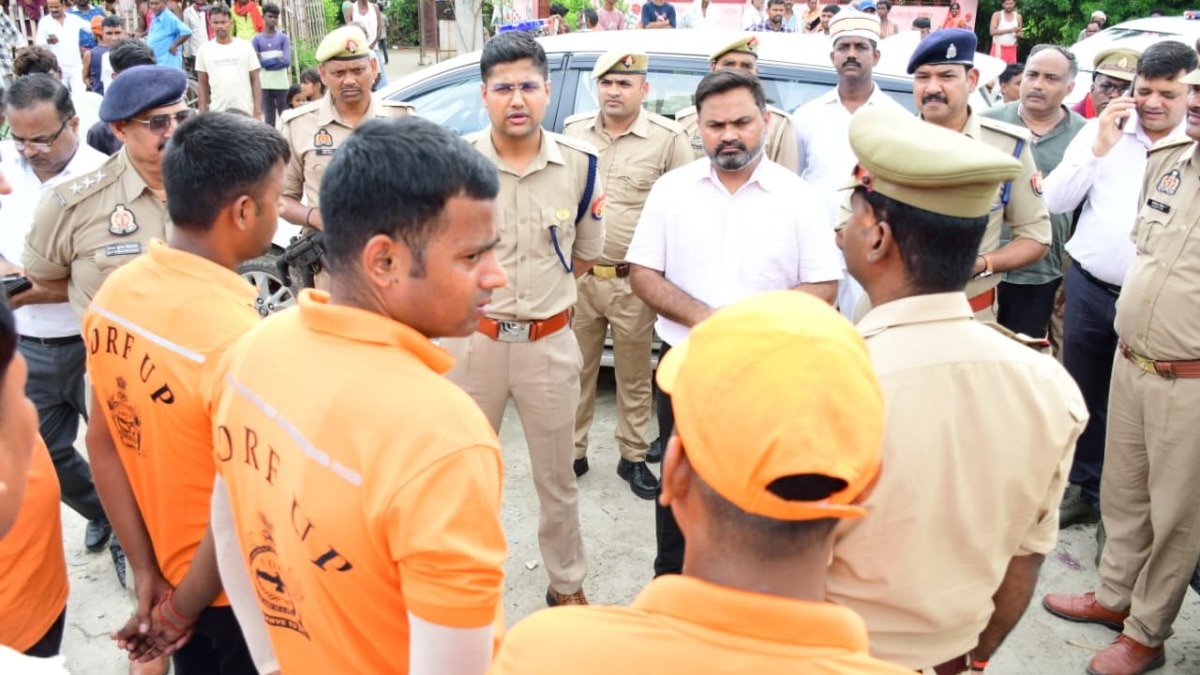
In response to the potential surge in the Gandak River, the Bihar government has placed six districts—West Champaran, East Champaran, Gopalganj, Saran, Muzaffarpur, and Vaishali—on high alert. Similarly, in Uttar Pradesh, administration in Kushinagar and Maharajganj is monitoring riverbanks closely. NDRF teams have been mobilized and stationed in standby positions to manage potential evacuations.
| Region | Alert Status | Key Areas/Rivers |
|---|---|---|
| Bihar | High Alert | West Champaran, Gopalganj, Muzaffarpur, Gandak River |
| Uttar Pradesh | Vigilant | Kushinagar, Maharajganj |
| Nepal | Disaster Zone | Tibet Border, Kathmandu |
Frequently Asked Questions
1. What exactly did India send to Nepal?
India sent 10 tons of relief material, including essential medicines, blankets, hygiene kits, and solar lamps.
2. Which Indian states are most at risk?
Bihar (specifically 6 districts along the Gandak river) and Uttar Pradesh (Kushinagar and Maharajganj) are under high surveillance.