The recent NATO summit underscored military capability as the cornerstone of collective defence, reviving the debate on militarism. This article unpacks the definition, historical evolution, and contemporary impact of militarism on international politics.
Key Takeaways
- Militarism is more than raw firepower; it shapes societal and political structures.
- NATO’s emphasis on deterrence and readiness reinforces a broader militarised logic in global affairs.
- Historical examples from 19th‑century Europe to fascist regimes illustrate how militarism has driven state policy.
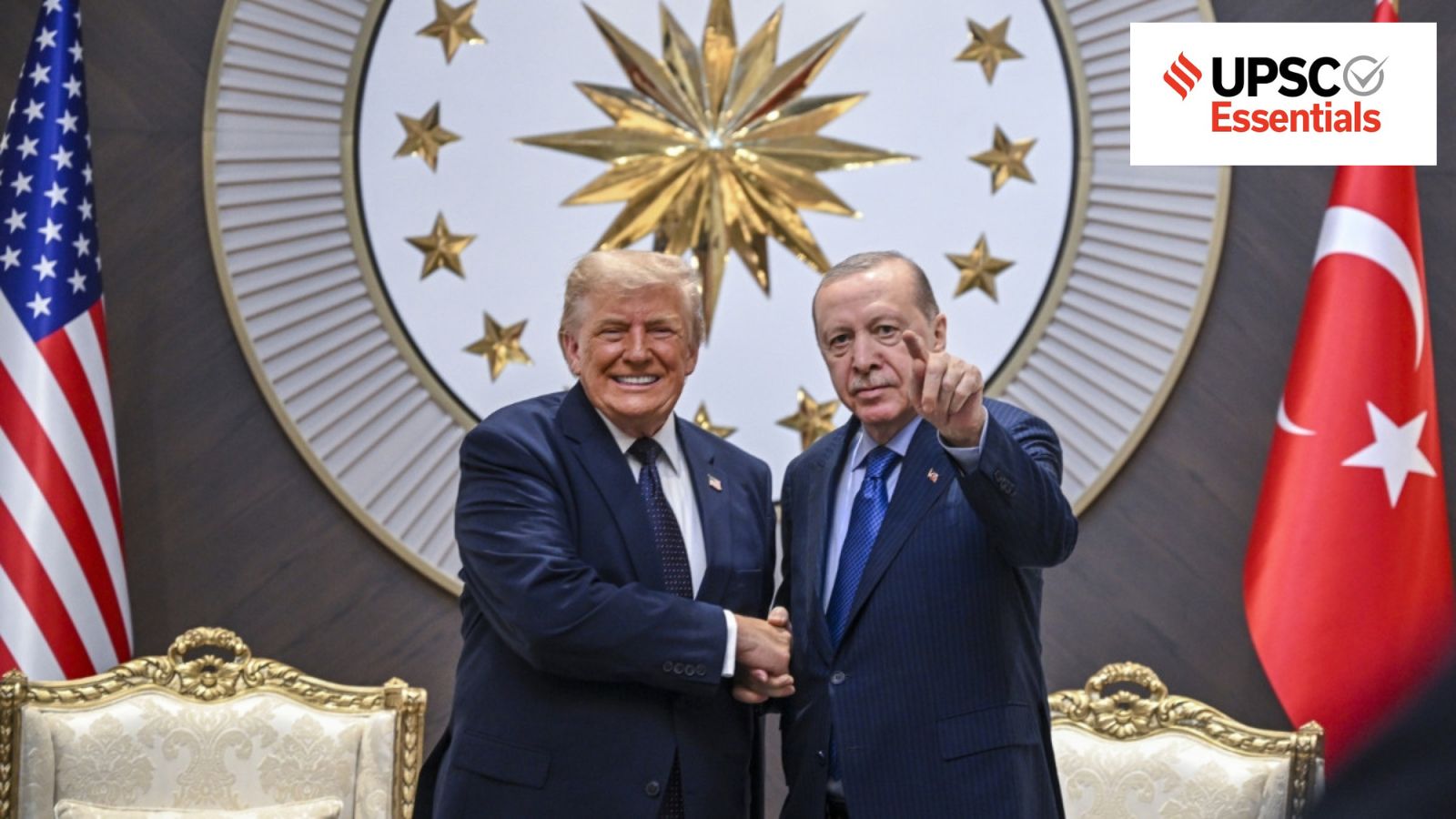
On July 8, NATO leaders gathered in Ankara, Turkey, and reaffirmed an “ironclad commitment” to collective defence under Article 5. The declaration stressed that deterrence and defence rely on a balanced mix of nuclear, conventional and missile‑defence assets, supplemented by space and cyber capabilities. This overtly military‑centric stance brings the concept of militarism back into focus.
Defining Militarism and Its Historical Roots
Militarism is generally understood as the belief that strong military capability should dominate national policy. It differs from militarisation, which describes the process by which civilian institutions adopt military practices and values. The term entered common usage in the 1860s, initially describing European states—such as Napoléon III’s France and Prussia—where the army eclipsed civilian politics and society. During the inter‑war period, the label was applied to fascist regimes in Italy, Germany, Spain and Japan, where military ethos permeated every level of governance.
Militarism as an Ideology
Sociologist Michael Mann defines militarism as “a set of attitudes and social practices that regard war and preparation for war as normal and desirable social activity.” Historian Alfred Vagts, a World‑War‑I veteran, added that militarism also implies an excessive influence of military institutions, policies and values over civil society. In his 1938 work *A History of Militarism*, Vagts warned that such dominance skews state priorities toward “military considerations, spirits, ideals and scales of value.”
Legitimising Force in the Modern State
Political sociologist Yagil Levy argues that viewing militarism through the lens of social relations exposes subtle ways in which force is normalised. Drawing on Max Weber, Levy notes that the modern state inherently possesses a “legitimate monopoly on violence,” which rulers use both internally to consolidate power and externally to deter rivals. NATO’s focus on deterrence, therefore, is not merely a strategic choice but a reflection of a broader militarised logic that justifies the role of force in international politics.
Implications for Contemporary International Relations
As technology reshapes warfare—through space, cyber and autonomous weapons—the definition of militarism expands. Policy‑makers must balance the undeniable security benefits of robust defence capabilities with the risk of embedding military dominance into societal norms. Failure to do so could tilt future conflict resolution toward coercion rather than diplomacy, undermining long‑term stability.