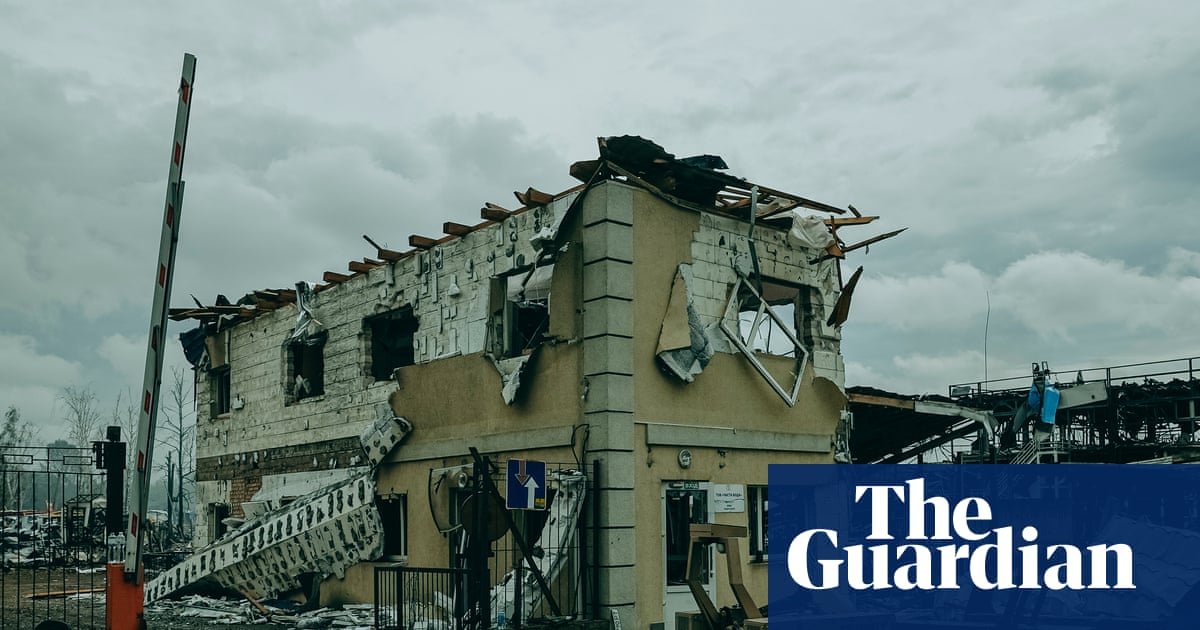
A devastating nine-year conflict in Mozambique's Cabo Delgado region has forced over 1.3 million people to flee, as new waves of violence hit all 17 districts.
- The ISIL-affiliated group ISMP is driving widespread violence in Cabo Delgado.
- Over 1.3 million people have been displaced since the conflict began in 2017.
- Recent violence has expanded to all 17 districts of the region.
- Funding gaps are hindering the UN's ability to provide essential humanitarian aid.
The Mozambique government has convened a two-day forum to address the escalating displacement crisis in the northern Cabo Delgado region. As the armed conflict enters its ninth year, the humanitarian situation has reached a breaking point, with ISIL-affiliated militants continuing to destabilize the resource-rich territory.
Since 2017, the region has been battling an armed group known locally as al-Shabab (not to be confused with the Somali group). Recent escalations since late 2025 have seen violence spread to all 17 districts of the province for the first time. According to the United Nations, more than 1.3 million people have fled their homes, with a significant surge of 100,000 people displaced in late 2025 alone.
Why This Matters
BozokMedia analysis shows that this conflict is fueled by a volatile mix of extreme poverty, resource wealth, and perceived government neglect. While the region holds massive reserves of natural gas, rubies, and gold, the local population remains among the poorest in the country. This economic disparity creates a vacuum that extremist groups like the Islamic State Mozambique Province (ISMP) exploit to gain local traction.
With no clear military solution in sight, calls for diplomatic negotiations are growing louder to prevent further loss of life.
The ISMP, though relatively small with 300 to 500 members, has proven exceptionally lethal. The group has maintained its presence by protecting illicit finance networks and leveraging local grievances. The violence is not only driven by combat but is compounded by climate disasters, including Cyclone Chido, which further destabilized the lives of those already fleeing conflict.
Historical Background
The rebellion traces back to the early 2010s when the discovery of vast natural gas reserves intensified local agitation for fairer wealth distribution. In 2017, the conflict turned bloody with coordinated attacks on police stations in Mocimboa de Praia. Since then, the group has utilized gruesome tactics to instill fear, aiming to establish a religious state that rejects Western education and state institutions.
Frequently Asked Questions
Question 1: How many people are affected by the Mozambique conflict?
Answer: Over 1.3 million people have been displaced, and approximately 1.8 million people require urgent assistance.
Question 2: Is the violence related to the Somali al-Shabab?
Answer: No, the local group in Mozambique uses the name al-Shabab but is an affiliate of ISIL/ISIS, not the Somali organization.