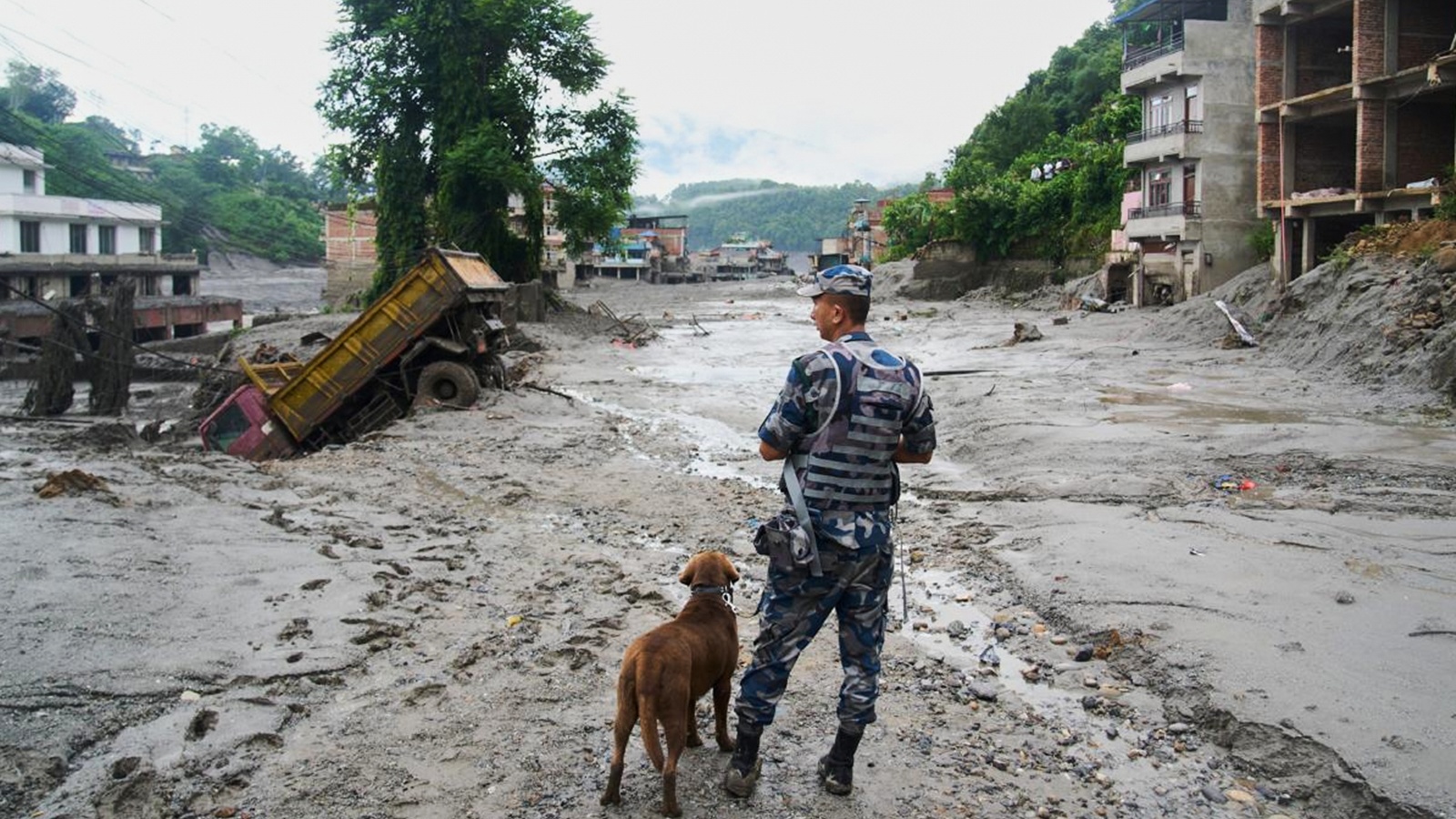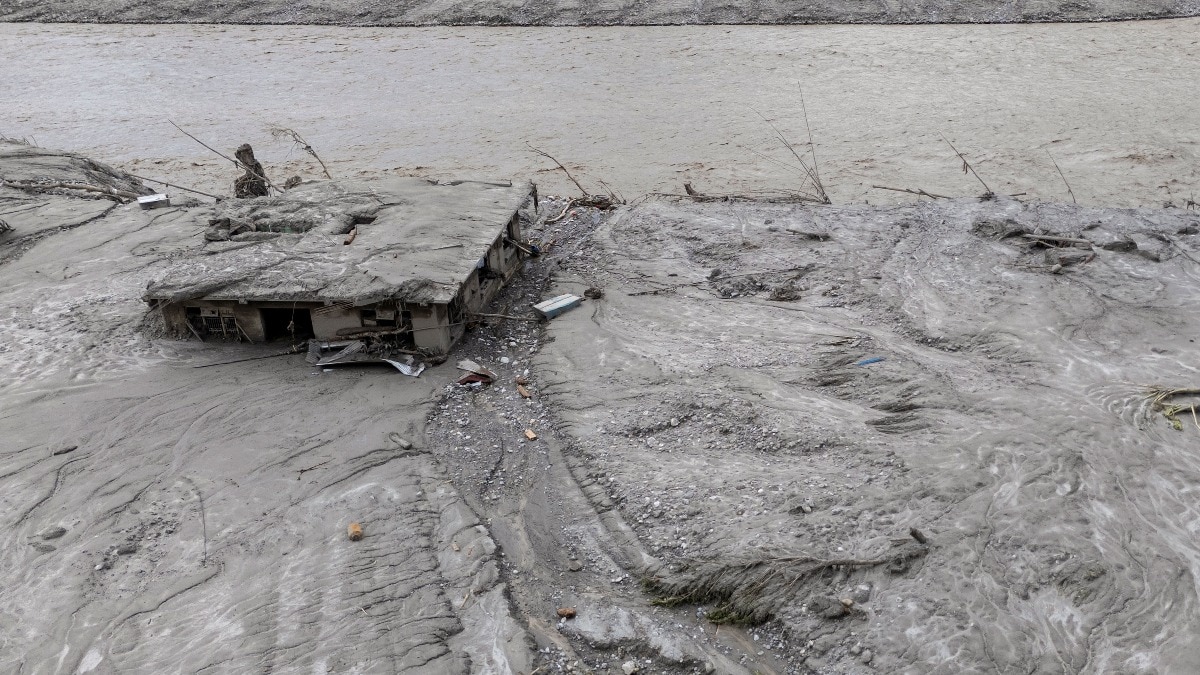
A devastating flash flood in Nepal has claimed 392 lives, with over 1,500 people still missing. The disaster has triggered massive destruction across the Trishuli and Bhote Koshi river basins.
- Death toll reaches 392 with over 1,500 people reported missing.
- 290 Indian nationals are among those missing in the disaster zone.
- Nepali Army successfully rescued 350 workers from Trishuli Hydropower tunnel.
- Satellite imagery warns of a massive temporary lake threat near Rsuwagarhi.
Nepal is currently grappling with a catastrophic hydrological disaster as flash floods ravage the country. The death toll has officially climbed to 392, while the number of missing persons has surged past 1,500. The scale of the tragedy is compounded by the disappearance of 290 Indian nationals, sparking international concern and intensive search operations.
Chaos in the Trishuli and Bhote Koshi Rivers
The Trishuli River, which flows from Tibet into Nepal, transformed into a force of destruction on Wednesday. The ferocious currents have destroyed at least 35 motorable bridges and 45 suspension bridges, cutting off vital communication and transport links. Simultaneously, in the Rsuwa region, the Bhote Koshi River has caused unprecedented devastation, sweeping away homes and infrastructure.
Why This Matters
BozokMedia analysis shows that the crisis is being exacerbated by geological shifts. Satellite data from Planet Labs and Landsat indicates that the flow of the Lende River has been completely obstructed near the Rsuwagarhi border. This blockage has created a massive, unstable temporary lake. Experts warn that if this natural dam breaches, it will trigger a secondary wave of catastrophic flash floods in the downstream areas.
The rapid rise in water levels and the sudden blockage of river channels have turned a heavy monsoon into a national emergency.
In a significant rescue operation, the Nepali Army managed to extract 350 workers and employees trapped inside the Trishuli Hydropower tunnel. This group included several Indian laborers. However, the situation for 114 tourists from Maharashtra remains critical; while 53 have been confirmed safe in the Sagarmatha region, the rest remain unaccounted for.
Historical Background: Nepal's Vulnerability
Nepal's topography makes it one of the most disaster-prone regions in the world. The rivers originating in the Tibetan plateau carry immense sediment loads. During extreme weather events, these rivers frequently encounter landslides that block their paths, creating the exact type of 'temporary lakes' currently threatening the downstream Nepalese populations.
Frequently Asked Questions
1. Is there an immediate threat of more flooding?
Yes, the formation of a temporary lake due to the Lende River blockage poses a severe risk of sudden downstream flooding.
2. How many Indian tourists are affected?
At least 114 tourists from Maharashtra are reported to be caught in the floods, with many still being located.