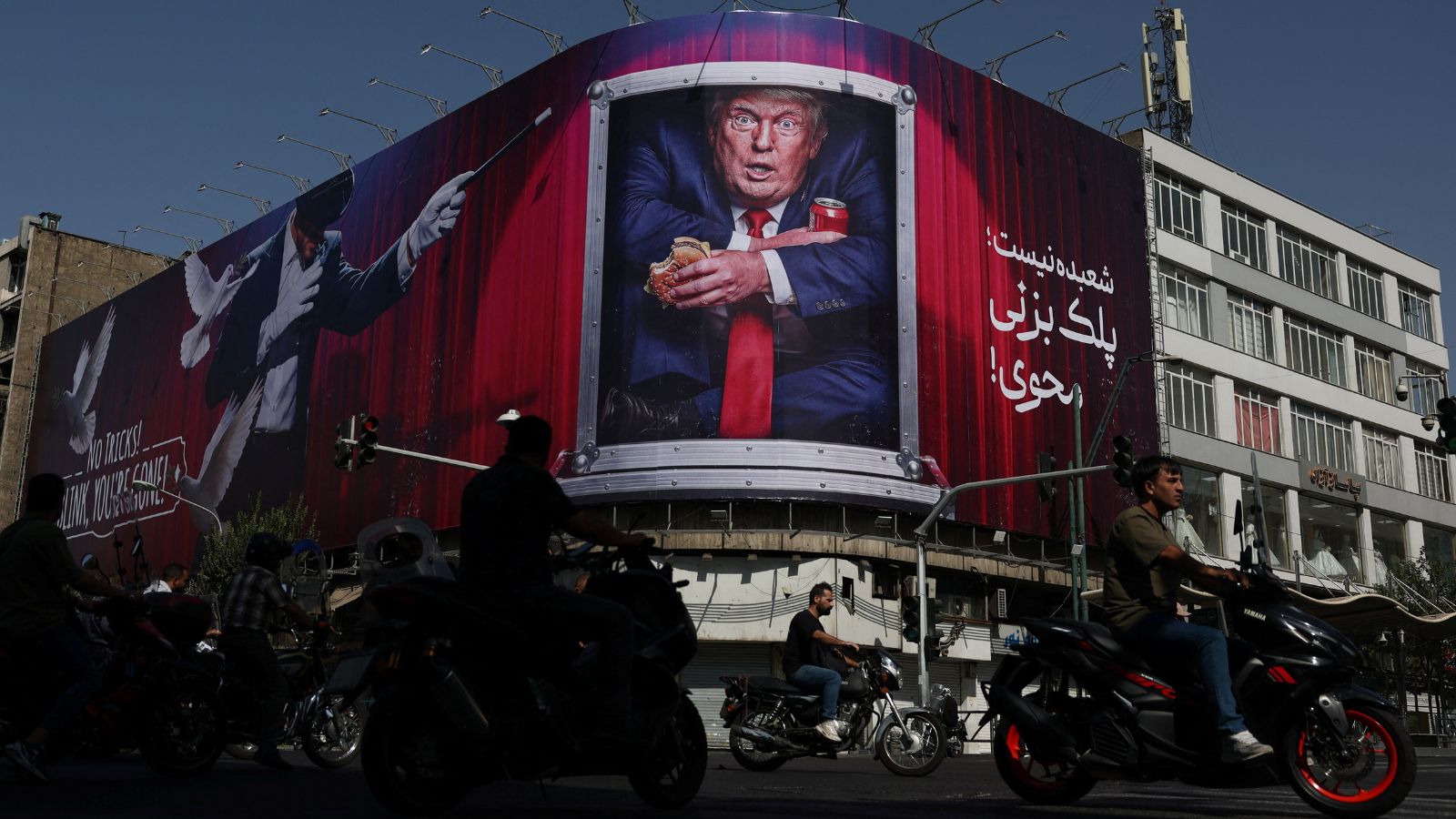
The leader of Hezbollah has once again rejected the proposed framework between Lebanon and Israel, stating that the group will not bow down to any terms of surrender.
- Hezbollah leadership has formally rejected the Lebanon-Israel peace framework.
- The group leader emphasized that 'surrender' is not an option for their organization.
- The rejection increases the risk of prolonged military conflict in the region.
In a significant escalation of regional tensions, the leader of Hezbollah has once again rejected the proposed framework for a deal between Lebanon and Israel. In a defiant stance, the Hezbollah chief stated that the organization would not succumb to any terms that imply a 'surrender' of their military or political capabilities.
This development comes at a critical juncture where international mediators have been attempting to broker a ceasefire. The refusal to engage with the current framework deepens the divide between the Lebanese state and Hezbollah, especially as Israeli military operations continue to impact the region. The gap between the Lebanese government's diplomatic efforts and Hezbollah's militant stance is widening.
Why This Matters
BozokMedia analysis shows that this rejection significantly complicates the path to peace in the Middle East. By refusing to negotiate on the terms of their disarmament or withdrawal, Hezbollah has effectively signaled that a military solution may remain the only path for Israel, potentially leading to a much larger regional conflagration.
The refusal to accept any framework involving disarmament suggests that Hezbollah views the current diplomatic efforts as an existential threat.
Historically, Hezbollah has operated as a 'state within a state,' possessing a military arsenal that rivals many national armies. This unique position makes any negotiated settlement extremely difficult. Meanwhile, Israeli Prime Minister Benjamin Netanyahu has vowed to establish a long-term security belt in Southern Lebanon and parts of Southern Syria to prevent future cross-border attacks.
The geopolitical implications are vast. As Israel seeks to secure its borders, Hezbollah’s continued resistance poses a direct challenge to the sovereignty of the Lebanese state and the stability of the entire Levant region.
Frequently Asked Questions
Question 1: Why did Hezbollah reject the deal?
Answer: Hezbollah views the current proposals as a mechanism for their surrender rather than a legitimate peace framework.
Question 2: What is Israel's objective in the region?
Answer: Israel aims to create a security buffer to prevent Hezbollah from launching rockets and incursions into northern Israel.