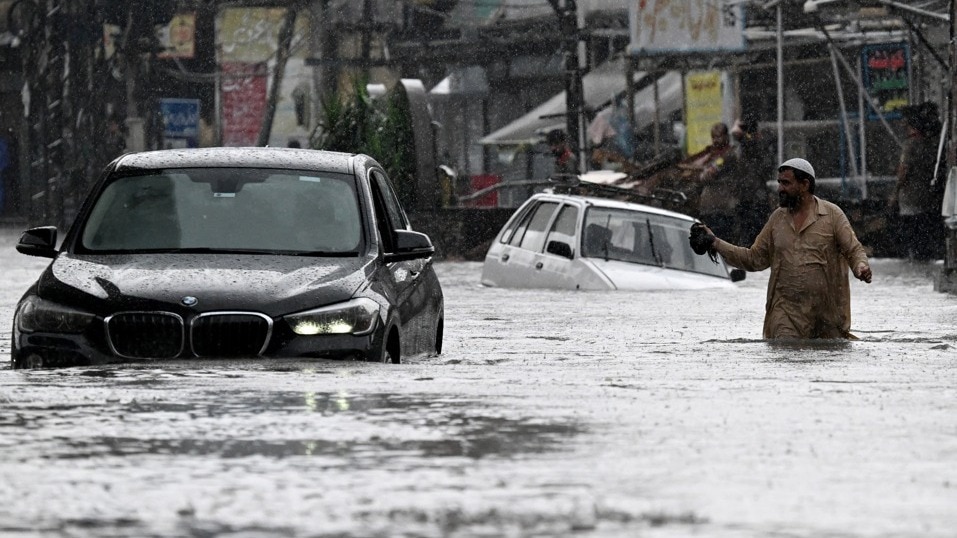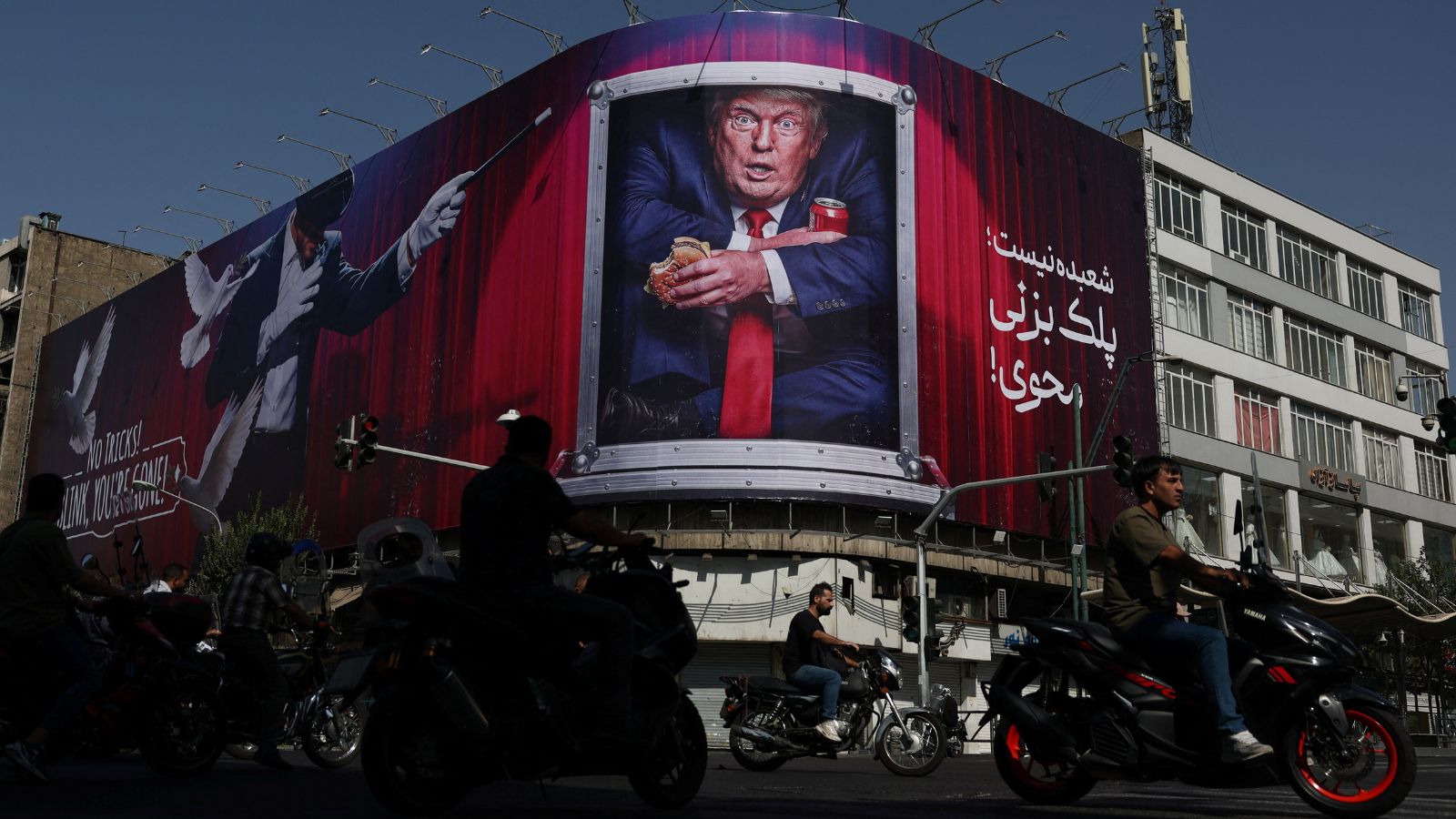
The United States and Iran have exchanged heavy strikes in the Strait of Hormuz, causing a wedding death toll, disabling oil tankers and pushing oil prices higher. The renewed hostilities mark the most serious escalation in weeks, with global market repercussions.
- The US launched retaliatory strikes on Iranian military sites after alleged attacks on shipping.
- Shrapnel from a US strike killed five people at a wedding in southern Iran.
- Two oil tankers hit sea mines in the Strait of Hormuz, sending crude prices soaring.
US Strikes and Their Targets
U.S. Central Command (CENTCOM) said Tuesday’s airstrikes were a direct response to attempted Iranian attacks on commercial vessels and U.S. forces in the region. The missions hit Islamic Revolutionary Guard Corps (IRGC) air‑defence installations, radar arrays, maritime assets, mine‑laying capabilities and communications hubs across Bandar Abbas, Qeshm, Chabahar, Konarak, Jiroft and Asaluyeh.
Casualties at the Wedding
Iranian officials reported that shrapnel from one of the strikes struck a home hosting a wedding near Sirik, killing five people—including a four‑year‑old child—and wounding dozens more (reports vary between 50 and 68 injured). The U.S. military acknowledged the incident but insisted it never targets civilians.
Iranian Counter‑Strikes Across the Region
In retaliation, Iran launched missiles and drones toward Jordan, Bahrain, Kuwait and Iraq, claiming to target U.S. military assets. Jordan intercepted 10 of 13 ballistic missiles, Bahrain shot down several drones, and the IRGC reported attacks on U.S. bases in Erbil, Iraq, though neither Iraq nor the United States confirmed casualties.
Impact on Oil Markets and the Strait of Hormuz
The IRGC said two oil tankers struck sea mines while attempting to transit the Strait, forcing crews to abandon ship. Brent crude rose above $95 a barrel, more than 30% higher than at the conflict’s outset. The Associated Press noted that only a handful of vessels now navigate the strait daily, a sharp drop from its pre‑war role handling roughly one‑fifth of global oil trade.
Historical Background
U.S.–Iran relations have been fraught since the 1979 Islamic Revolution, with flashpoints including the 1980‑88 Iran‑Iraq war, the 2003 Iraq invasion, and the 2015 nuclear deal. The Strait of Hormuz, a strategic chokepoint for global energy supplies, has repeatedly been a theater for indirect confrontations between the two powers.
Why This Matters
BozokMedia analysis shows that the renewed US‑Iran clash not only jeopardizes regional stability but also threatens global energy security, as any prolonged disruption in the Strait of Hormuz could push oil prices to unprecedented levels.
"The escalation signals a dangerous shift from proxy wars to direct confrontations, raising the risk of a broader Middle‑East conflict," says Dr. Aisha Karim, senior security analyst.
Frequently Asked Questions
Q1: Will this escalation have a long‑term impact on global oil prices?
A: If the strait remains contested, supply disruptions could keep prices elevated, affecting economies worldwide.
Q2: Is the United Nations taking any steps to de‑escalate the situation?
A: The UN has called for restraint and urged both parties back to negotiations, but no concrete mediation has yet emerged.