In a major policy shift, Malaysia has finalized the first phase of a voluntary repatriation program for 1,500 Rohingya refugees. While the government emphasizes voluntary return, rights groups warn of extreme safety risks.
- Repatriation phase one begins on September 29.
- Targeting the voluntary return of 5,000 Myanmar nationals.
- Logistics include two naval warships and a hospital ship.
- Human Rights Watch warns of ongoing war crimes in Myanmar.
Malaysia has officially finalized the first phase of a massive voluntary repatriation program, scheduled to begin on September 29. At least 1,500 eligible Myanmar refugees are set to return to their homeland as part of an agreement between the Malaysian government and Myanmar’s military-backed administration. This follows Prime Minister Anwar Ibrahim's July announcement regarding the repatriation of 5,000 persecuted Rohingya individuals.
Logistical Execution and Scope
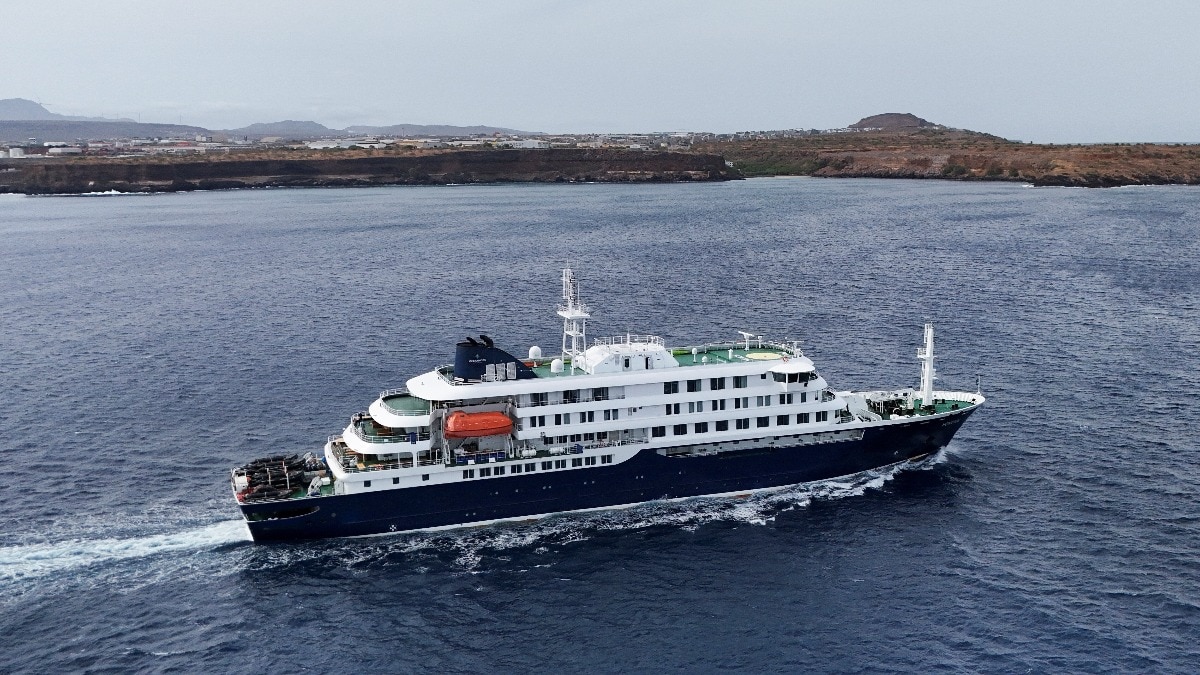
According to a formal statement from the Malaysia Home Ministry, the operation will be high-scale, utilizing two Myanmar naval warships and a dedicated hospital ship to ensure the transport of refugees. The ministry further detailed that while 5,000 individuals are slated for voluntary repatriation, over 4,000 others will be integrated into the Refugee Registration Document (DPP) program. As of mid-August, immigration detention depots held over 10,000 Myanmar nationals, many of whom are undergoing rigorous identity and security verification.
Why This Matters
BozokMedia analysis shows that this move is a delicate balancing act between managing domestic social tensions and upholding international humanitarian obligations. Malaysia has faced rising local scrutiny regarding refugee populations; however, the decision to return them to a conflict zone raises profound questions about the definition of 'voluntary' in a stateless context.
The absence of a safe environment in Myanmar makes any repatriation attempt a high-stakes humanitarian gamble.
Human rights organizations have reacted with deep skepticism. Human Rights Watch has explicitly warned that the conditions necessary for a safe, dignified, and voluntary return simply do not exist in Myanmar. They highlighted that the Myanmar military continues to be implicated in war crimes and crimes against humanity, posing a direct threat to the lives of those being sent back.
Historical Context of the Rohingya Crisis
The Rohingya are a predominantly Muslim ethnic minority who have lived in Buddhist-majority Myanmar for generations. Despite their long history, the state refuses to recognize them as an official ethnic group, rendering them the world's largest stateless population. The crisis reached a breaking point in 2017 during a brutal military crackdown, forcing hundreds of thousands to flee to neighboring countries, including Malaysia, which hosts one of Southeast Asia's largest refugee communities.
Frequently Asked Questions
Question 1: Will Malaysia return refugees if their lives are in danger?
Communications Minister Fahmi Fadzil stated that Malaysia will not proceed if there is a proven risk of persecution or threat to life.
Question 2: How many Rohingya are currently in Malaysia?
There are more than 126,000 Rohingya registered with the UNHCR in Malaysia, making them the largest refugee community in the country.