A catastrophic glacial collapse near the China border has triggered flash floods in Nepal, leaving 626 dead and thousands missing as rescue operations struggle against heavy rains.
- A glacial collapse near the China border triggered massive ice-and-rock avalanches in central Nepal.
- The official death toll has reached 626, with over 2,400 people currently unaccounted for.
- Heavy rainfall is severely hindering ongoing search and rescue operations.
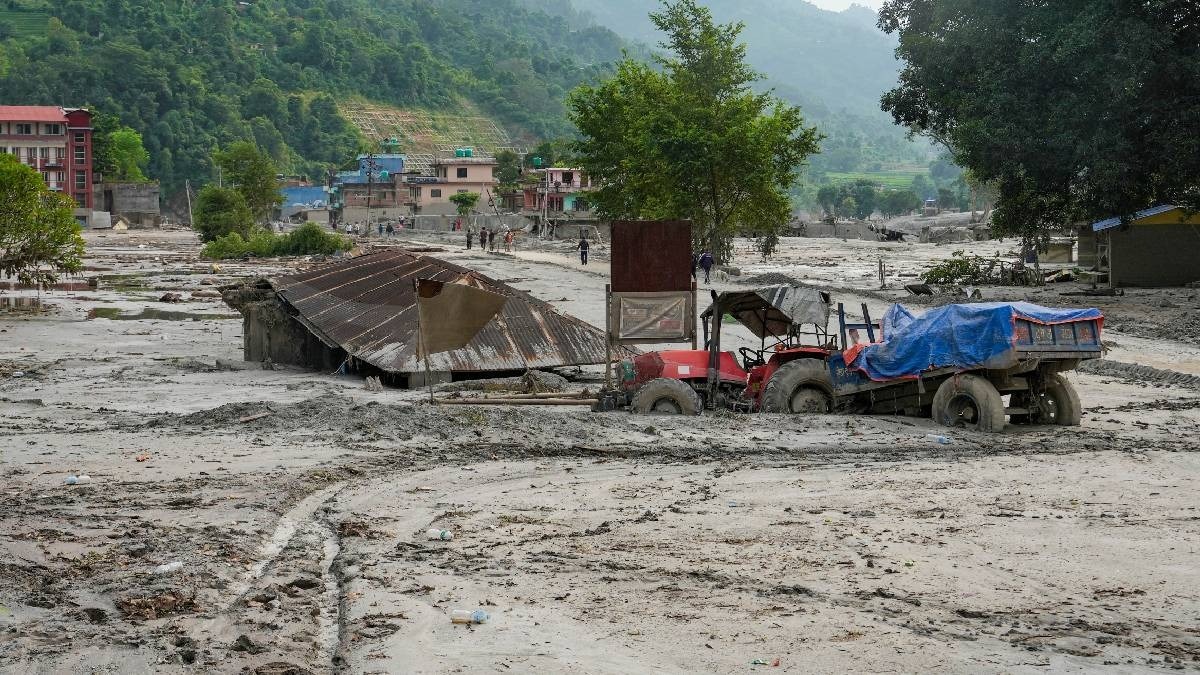
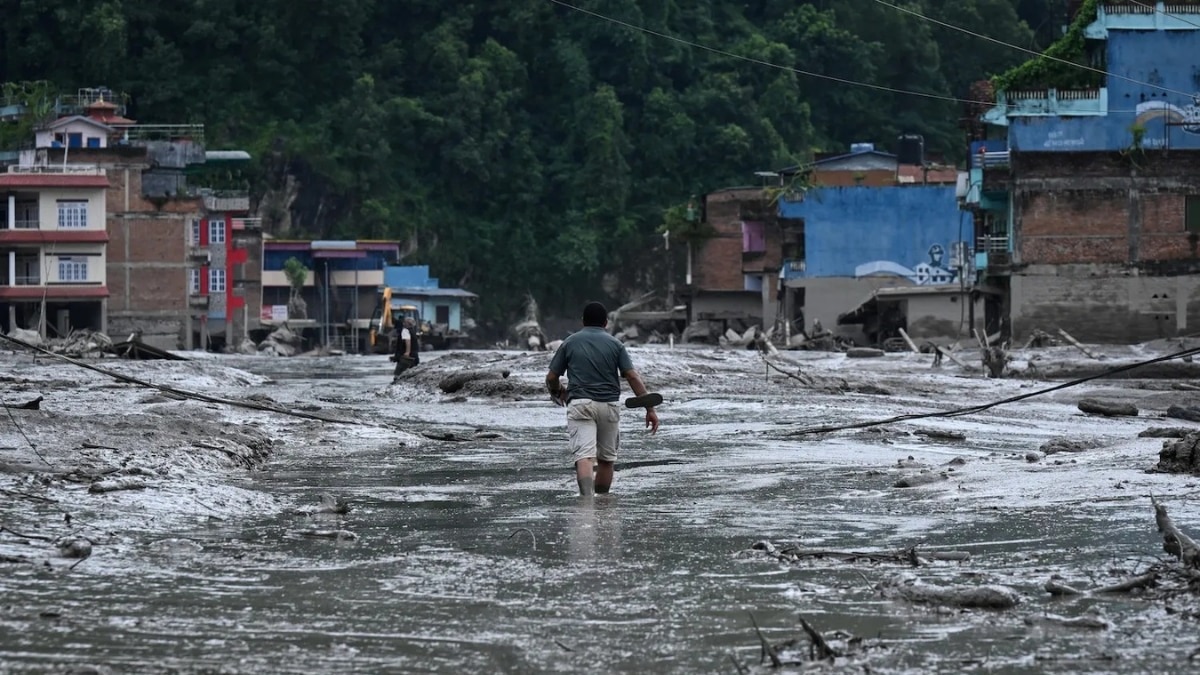
Nepal is currently grappling with a massive humanitarian crisis following devastating flash floods that tore through Rasuwa and other central regions. The disaster was triggered by a catastrophic glacial collapse near the China border, which sent a torrent of ice, rock, and debris cascading down the mountainsides.
According to the latest reports from the Nepal Police, the confirmed death toll has climbed to 626 individuals. The scale of the tragedy is underscored by the fact that more than 2,400 people remain missing. Rescue teams are working tirelessly, but the relentless monsoon rains and treacherous terrain are making the search for survivors nearly impossible.
Infrastructure Devastation and Rising Water Levels
The impact on the region's infrastructure has been catastrophic. The floods have swept away critical roads, bridges, and entire residential settlements. Furthermore, vital hydropower infrastructure, which is essential for the nation's energy security, has sustained significant damage. The disruption of transport links has isolated many communities, making the delivery of aid a logistical nightmare.
Authorities have issued urgent warnings as water levels continue to rise in the Bhotekoshi River area. There is a growing fear of renewed flooding, prompting officials to urge residents in the Bhotekoshi and Trishuli areas to evacuate to higher ground immediately.
Why This Matters
BozokMedia analysis shows that this event highlights the extreme vulnerability of Himalayan nations to Glacial Lake Outburst Floods (GLOFs). As global temperatures rise, the stability of these glaciers is decreasing, turning once-stable ice masses into potential triggers for regional-scale disasters.
The increasing frequency of glacial collapses serves as a grim reminder that the Himalayan ecosystem is reaching a critical tipping point.
Historical Background
The Himalayan region has long been prone to natural disasters such as landslides and seasonal flooding. However, the phenomenon of rapid glacial melting due to climate change has introduced a new and more unpredictable element of danger, characterized by sudden, high-intensity flash floods that traditional warning systems often struggle to predict.
Frequently Asked Questions
Question 1: What caused the flooding in Nepal?
Answer: The floods were triggered by a glacial collapse near the China border, leading to an ice-and-rock avalanche.
Question 2: Which areas are currently most at risk?
Answer: The Bhotekoshi and Trishuli areas are under high alert due to rising water levels.