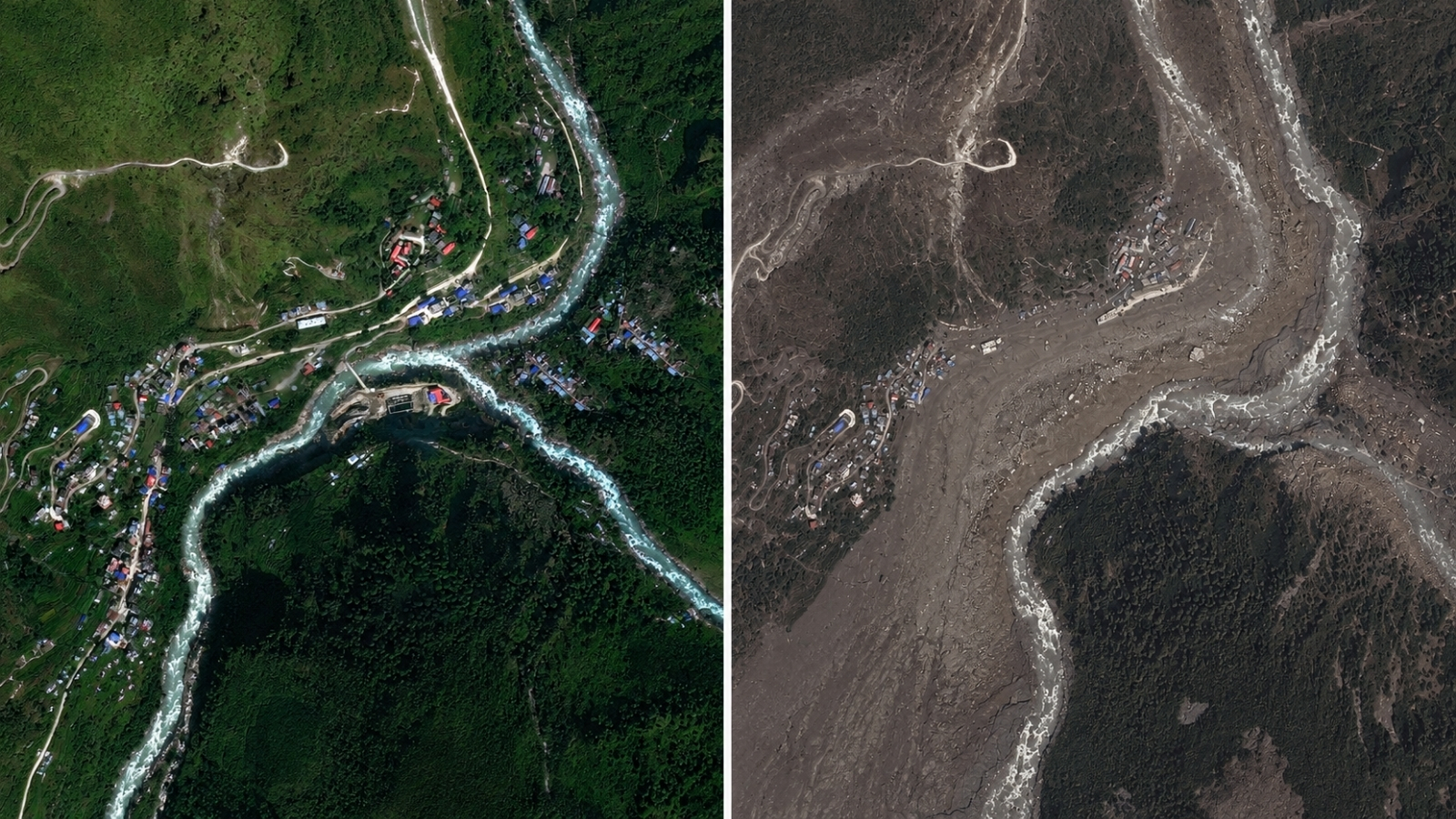
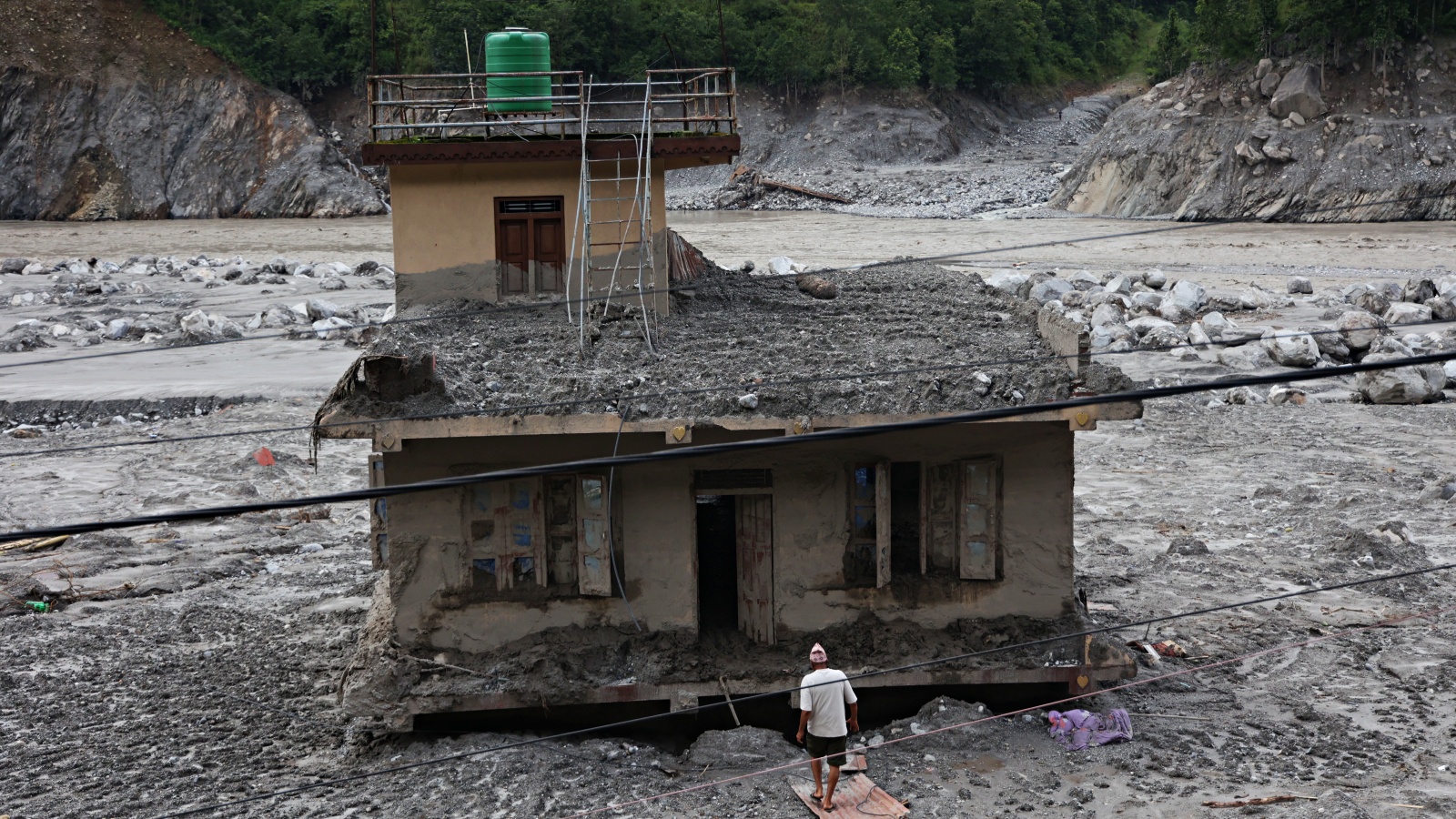
The devastating flash floods in Nepal have crossed borders, leading to the recovery of three bodies from the Gandak River in Kushinagar, Uttar Pradesh. The regional crisis continues to escalate.
The catastrophic flash floods ravaging Nepal have sent shockwaves across the border into India. In a grim development, authorities in Uttar Pradesh's Kushinagar district have recovered three bodies from the surging Gandak River. The recovery comes amidst rising water levels that threaten to submerge more low-lying areas in the Indo-Nepal border belt.
The deluge in Nepal has been described as unprecedented, with heavy rainfall triggering landslides and sudden surges in river volumes. As the Gandak River carries debris and floodwaters from the Himalayan foothills, the impact is being felt acutely in the Indian states of Uttar Pradesh and Bihar. Local administration in Kushinagar is currently on high alert to prevent further casualties.
Why This Matters
BozokMedia analysis shows that the interconnected nature of Himalayan river systems means that hydrological disasters in Nepal have immediate transboundary consequences. The transformation of border regions into 'swamplands' complicates rescue operations and poses a long-term threat to the agricultural economy and human settlements in both nations.
The increasing frequency of flash floods in the Himalayan region necessitates a unified transboundary disaster management strategy.
In Nepal, the situation remains dire. Reports from Kathmandu indicate a frantic search for survivors, with entire villages reportedly vanishing under debris and water. Foreign officials have warned that the scale of the disaster is turning much of the hard-hit terrain into an uninhabitable marshland, making traditional rescue methods difficult.
Historical Background
The Gandak River, a major tributary of the Ganges, has historically been prone to seasonal flooding. However, recent shifts in weather patterns and increased glacial melt have altered the flood dynamics, leading to more sudden and violent 'flash' events compared to the gradual rises seen in previous decades.
Frequently Asked Questions
Question 1: What is the current situation in Kushinagar?
Answer: Authorities have recovered three bodies from the Gandak River due to the overflow caused by Nepal's floods.
Question 2: How severe is the flood in Nepal?
Answer: The situation is critical, with many villages destroyed and large areas turned into swampland.