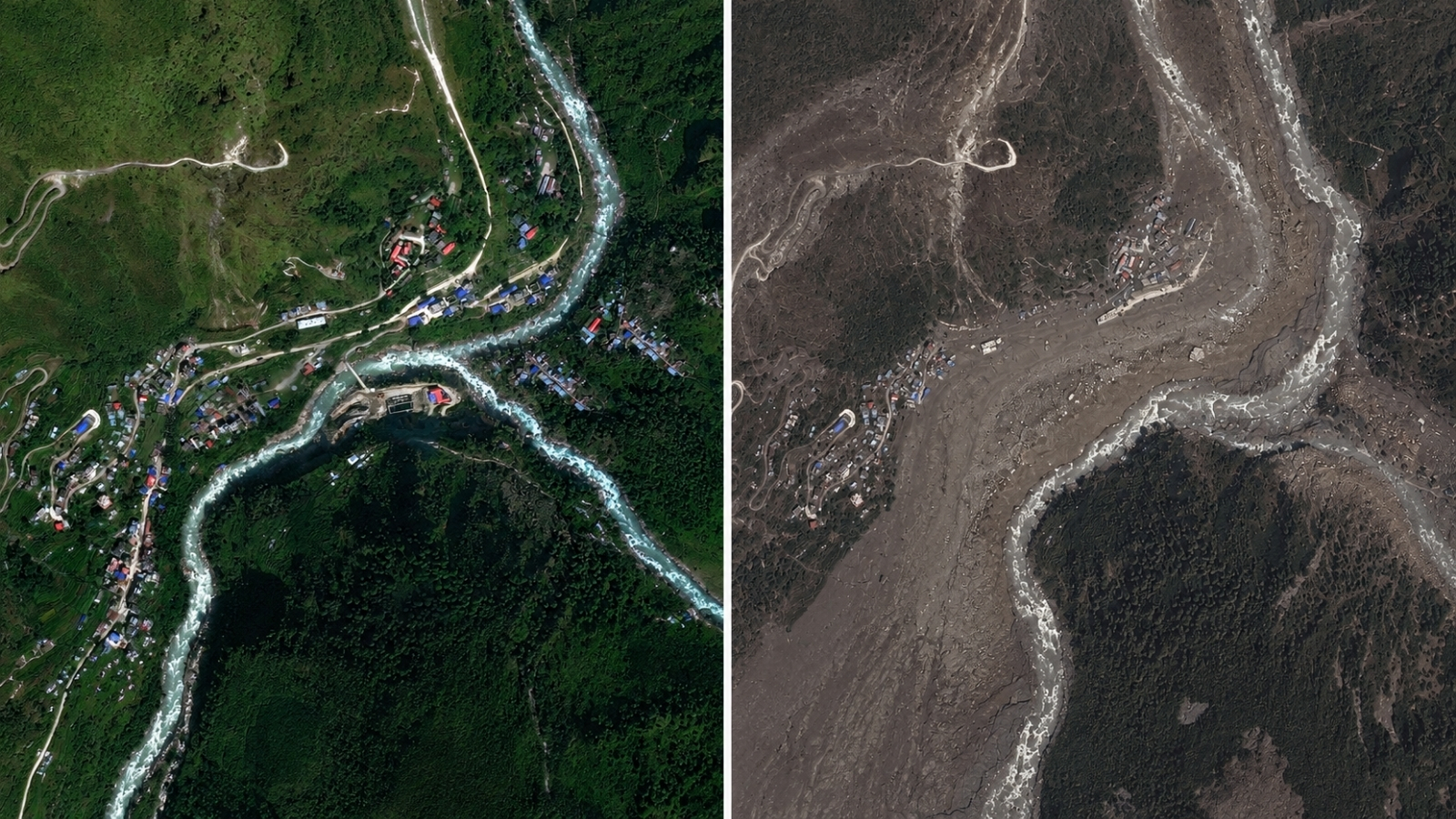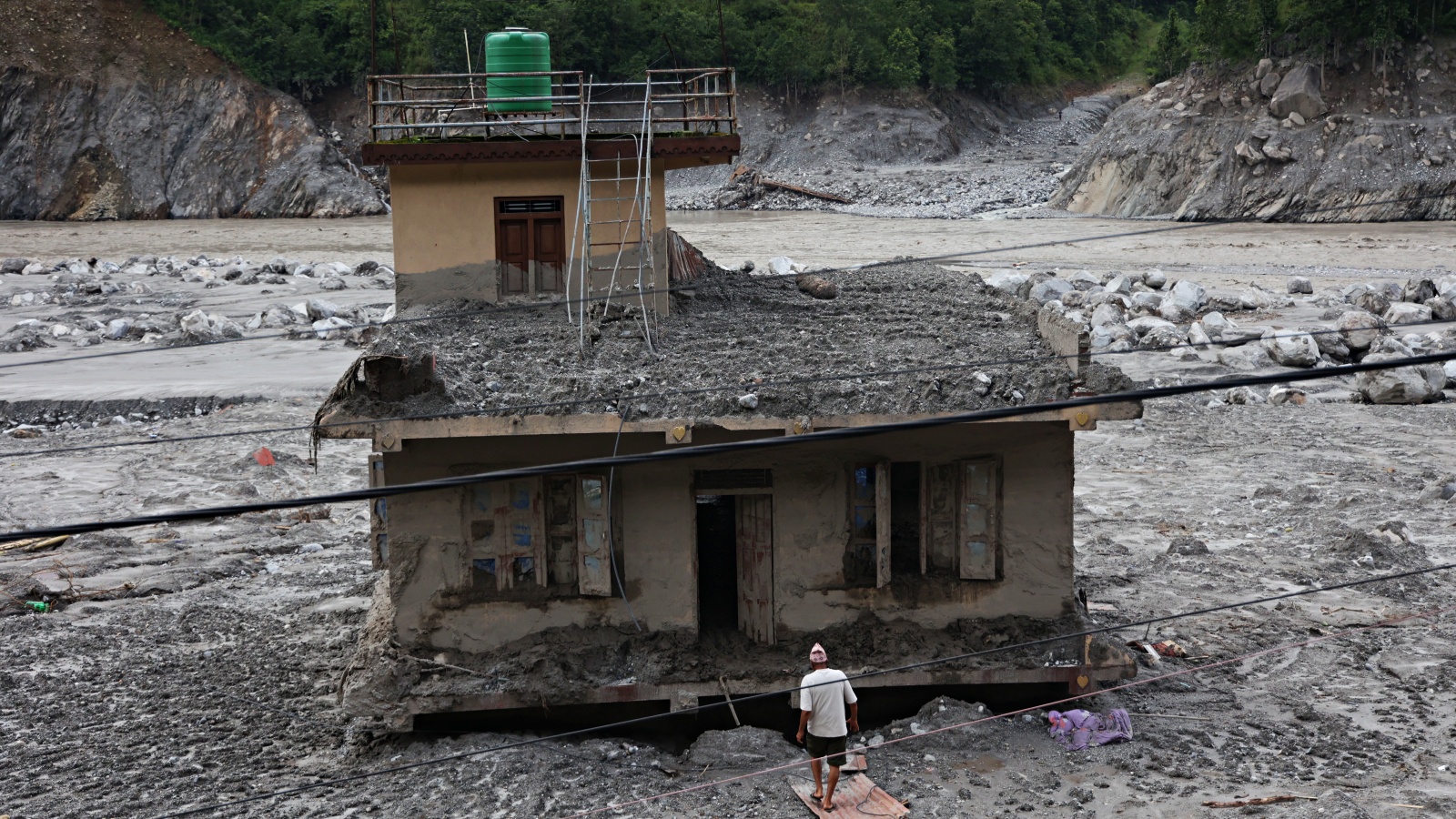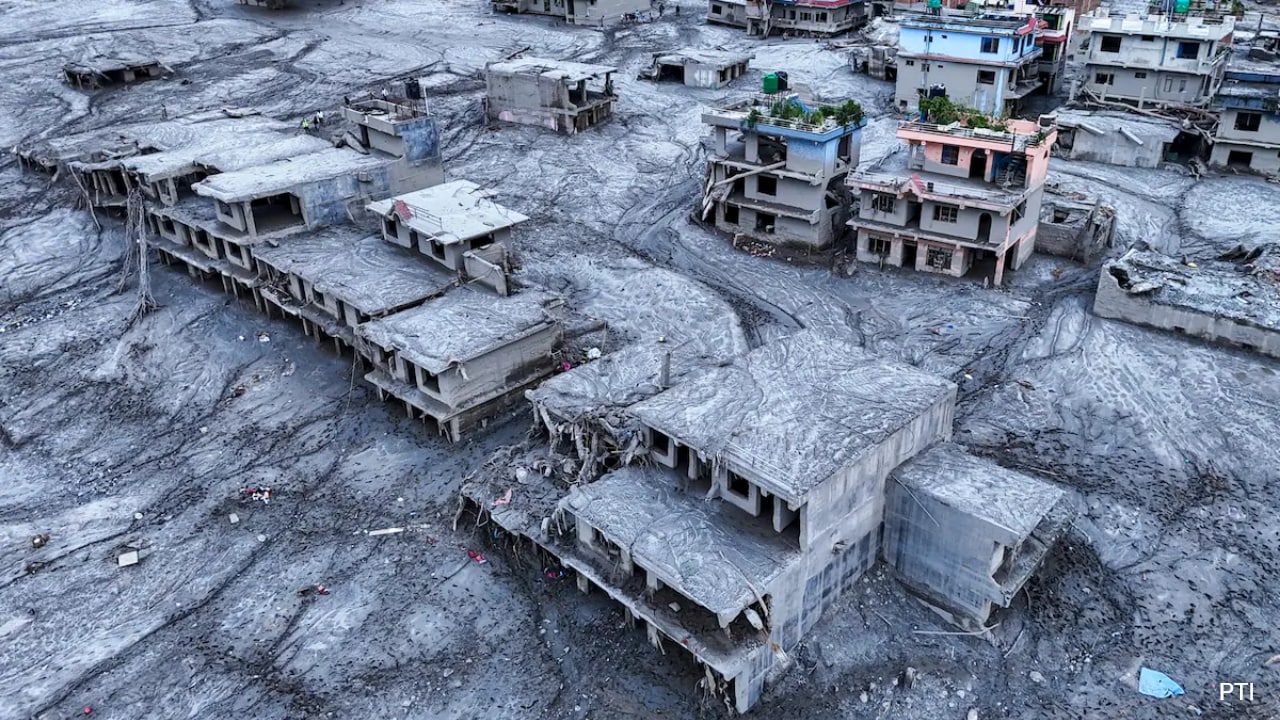
A massive glacier detachment on the Nepal-China border triggered a 100-km destructive run through multiple river systems, with the Trishuli River bearing the brunt of the impact.
- A massive glacier detached from a ridge on the Nepal-China border.
- The debris flow traveled a staggering 100 km through various river channels.
- The Trishuli River experienced the longest and most destructive part of the run.
A catastrophic geological event has unfolded in the high-altitude regions of Nepal. A massive glacier broke away from a ridge located on the Nepal-China border, initiating a violent descent that transformed into a massive debris flow. This event has sent shockwaves through the region due to its scale and speed.
The glacier did not merely slide; it surged through multiple river systems, covering a total distance of approximately 100 kilometers. The most intense and prolonged segment of this deadly run occurred within the Trishuli River basin, where the force of the water and the sheer volume of glacial sediment caused unprecedented destruction to the landscape and downstream infrastructure.
Why This Matters
BozokMedia analysis shows that such glacial detachments are increasingly becoming a hallmark of the warming Himalayan climate. The speed at which these mass movements travel creates a minimal window for downstream communities to evacuate, making them among the most lethal natural hazards in the world.
The velocity of this 100-km glacial run highlights the terrifying potential of mountain mass movements in a warming world.
Geographical data indicates that Devighat, situated 55 km from the avalanche site in a straight line, lies 80 km away along the winding river channel. This distance, while seemingly large, was bridged rapidly by the high-velocity flow of water and ice, complicating rescue and mitigation efforts.
Historical Background
The Himalayas are highly susceptible to Glacial Lake Outburst Floods (GLOFs) and glacial surges. Historically, as permafrost thaws and glacial structures weaken due to rising global temperatures, the frequency of these high-energy events has seen a documented upward trend, threatening millions living in the river valleys below.
Frequently Asked Questions
Question 1: What was the primary trigger of the flood?
Answer: The primary trigger was a large-scale glacier detachment from a ridge on the Nepal-China border.
Question 2: Which river was most affected?
Answer: The Trishuli River was the most affected, as it hosted the longest and most destructive part of the 100-km flow.