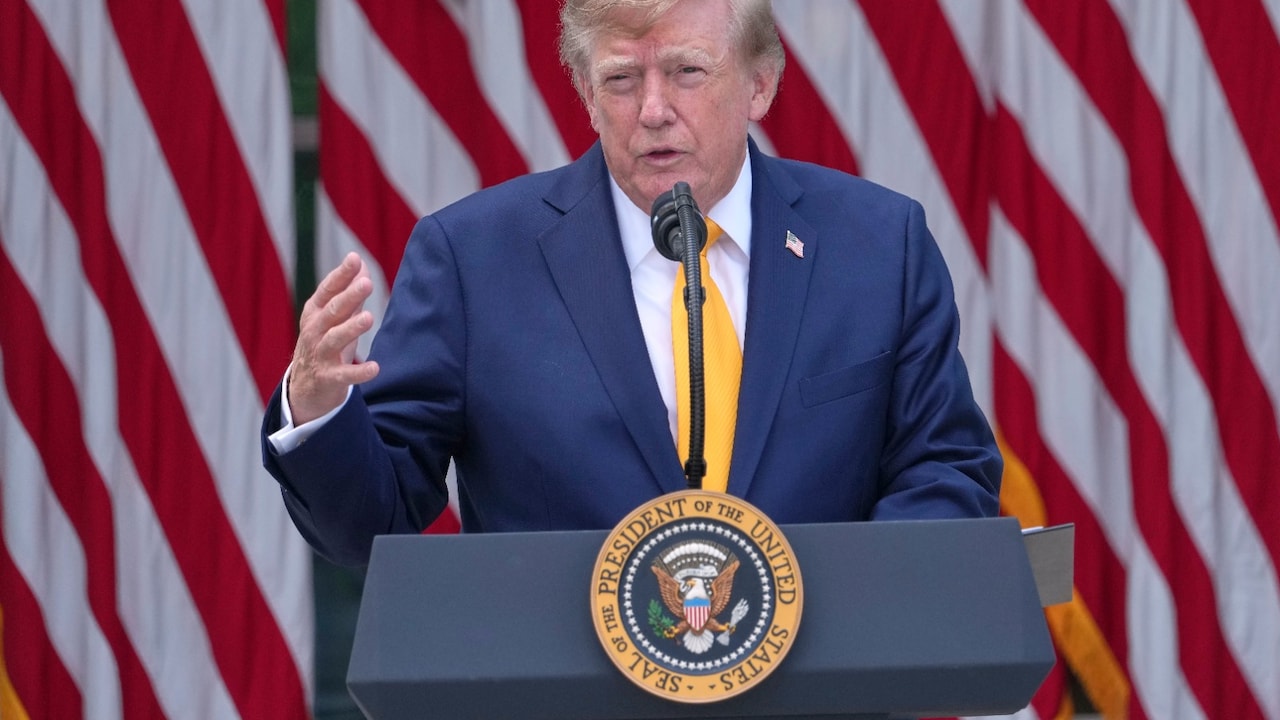
Donald Trump has announced a landmark energy agreement with Venezuela, granting the US strategic access to vast oil reserves. The 25-year deal is set to reshape global energy dynamics and geopolitical power structures.
- The US is poised to gain access to an estimated 65 billion barrels of Venezuelan oil.
- The energy agreement is slated to remain in effect for the next 25 years.
- Venezuela maintains that its national sovereignty remains intact despite the deal.
- Venezuelan opposition leaders have voiced strong resistance to US involvement.
Former US President Donald Trump has hailed a monumental energy agreement with Venezuela, describing it as the 'biggest oil deal' in history. Under this strategic arrangement, the United States is set to secure access to Venezuela's massive petroleum reserves, estimated at approximately 65 billion barrels. This move is expected to fundamentally alter the landscape of global energy security and international oil market dynamics.
The interim president of Venezuela has confirmed that this energy partnership will span the next 25 years. However, the announcement has sparked significant political friction. While the US administration views this as a critical step toward energy independence and market stability, the Venezuelan opposition has reacted with outrage, claiming the deal represents an encroachment on the nation's natural resources by foreign powers.
Why This Matters
BozokMedia analysis shows that this agreement transcends mere commercial interests; it is a profound geopolitical maneuver. Venezuela holds the world's largest proven oil reserves. By securing a foothold in these reserves, the US could potentially mitigate the influence of OPEC nations and significantly enhance its ability to influence global crude oil pricing.
This deal could pivot the global energy balance of power decisively toward Western interests.
Historically, Venezuela's oil sector has been plagued by political volatility and heavy US sanctions. Through this new framework, the US aims not only to stabilize its energy supply but also to exert long-term economic influence within the region. Despite these shifts, the Venezuelan government has insisted that it will retain its 'sovereignty' throughout the implementation of the deal.
Historical Background
For decades, Venezuela has been a cornerstone of the global oil industry. However, recent years of political instability and economic decline have severely hampered its production capacity. The framework proposed under the Trump era represents a concerted effort to revitalize US investment and strategic presence in the South American energy sector.
Frequently Asked Questions
Question 1: How long will this oil deal last?
Answer: According to Venezuela's interim president, the energy agreement is structured to last for 25 years.
Question 2: What is the main controversy surrounding the deal?
Answer: The primary controversy involves the Venezuelan opposition, who argue that the deal gives the US too much control over the country's natural resources.