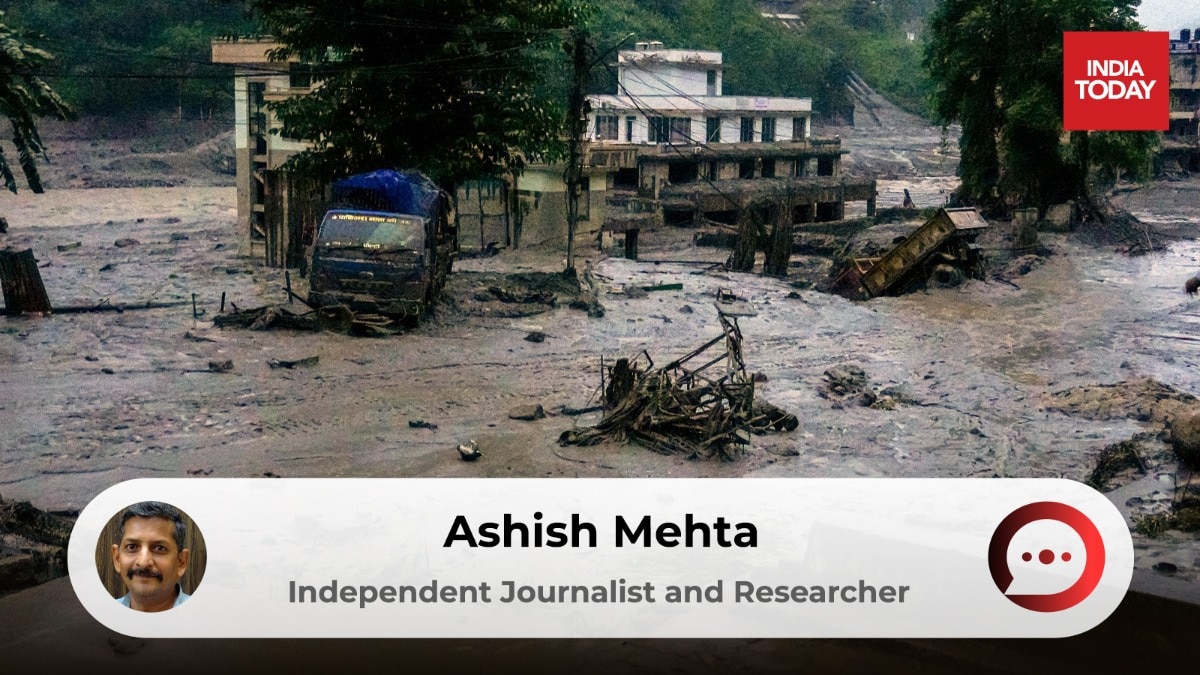
Following devastating flash floods in Nepal, India has deployed 68.5 tonnes of relief supplies, tunnel specialists, and forensic teams to assist in critical search and rescue operations.
- India dispatched 68.5 tonnes of relief materials and technical teams to Nepal.
- Specialized tunnel experts and forensic teams have been deployed for hydropower rescue operations.
- Aid includes essential supplies like hygiene kits, blankets, and modular bridge equipment.
- The mission focuses on reaching workers trapped in hydropower tunnels in the Trishuli area.
In a significant humanitarian gesture, India has mobilized extensive resources to support Nepal following catastrophic flash floods. The Indian Embassy in Kathmandu confirmed that 68.5 tonnes of relief material, along with specialized technical contingents, forensic experts, and advanced rescue equipment, have been dispatched to assist in the ongoing crisis. This rapid response aims to expedite rescue efforts in hydropower tunnels where workers are feared to be trapped.
The Ministry of External Affairs (MEA) announced via 'X' that a fourth relief flight, carrying 11 tonnes of aid, has successfully landed. This shipment is uniquely equipped with a tunnel technical contingent and tools specifically designed for high-stakes search and rescue. Furthermore, forensic experts have been sent to facilitate DNA analysis, a critical requirement requested by the Nepali government to identify victims following the disaster.
Why This Matters
BozokMedia analysis shows that this assistance transcends simple humanitarian aid; it is a vital intervention in regional disaster management and infrastructure stability. The destruction of hydropower projects like Upper Trishuli-1 and Trishuli-3A poses a significant threat to Nepal's energy security. India's deployment of specialized engineers and modular bridge components is essential for restoring both human life and critical economic infrastructure.
The deployment of specialized tunnel engineers highlights the technical complexity of the rescue operation necessitated by Nepal's unique topography.
An 11-member Indian technical team, comprising doctors, paramedics, and tunnel engineers, arrived in Kathmandu and conducted reconnaissance in the flood-affected Nuwakot district. Aerial surveys were also performed in the Chilime and Langtang areas to map the extent of the damage. A joint security force of 82 members from the Nepal Army and Police is working alongside these efforts to clear massive debris blocking tunnel entrances.
Historical Background: The Trishuli and Bhotekoshi river corridors have historically been prone to seasonal flooding and landslides. Such extreme weather events frequently disrupt the fragile Himalayan infrastructure, making international cooperation in disaster response a recurring necessity for the region.
To address the severed transport links, India has also sent 16 trucks carrying equipment for a 230-foot modular steel bridge. This is part of a larger effort to support Nepal's requirement for 42 Bailey bridges to restore connectivity to isolated settlements.
Frequently Asked Questions
Question 1: What specific items are included in the Indian relief package?
Answer: The package includes blankets, sleeping bags, tarpaulins, hygiene kits, tunnel rescue equipment, and modular bridge components.
Question 2: Why are forensic experts being sent to Nepal?
Answer: Nepal has requested forensic expertise and DNA analysis equipment to assist in identifying individuals affected by the floods.