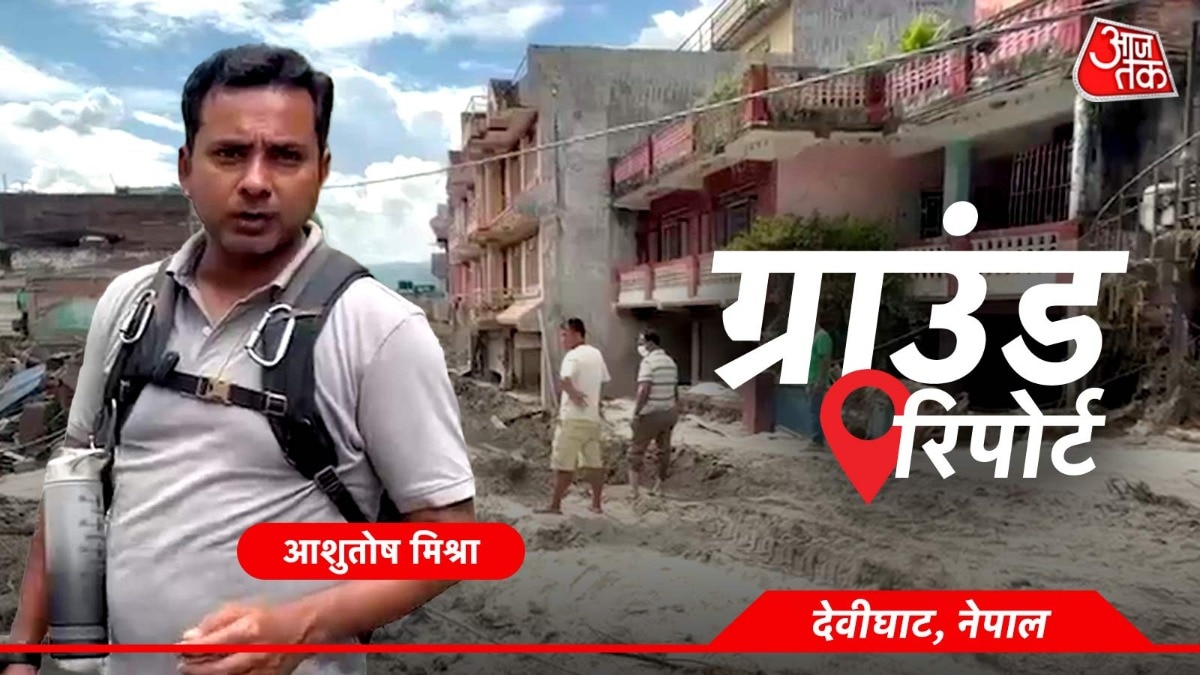
Following a devastating glacier burst and flash floods near the Nepal-China border, UN Climate Chief Simon Steel has warned that the Hindu Kush Himalayan region is at extreme risk due to climate change.
- Glacier burst near the Nepal-China border triggered massive flash floods in Bhote Koshi and Trishuli rivers.
- At least 788 deaths confirmed, with 2,500 people still missing.
- UN Climate Chief Simon Steel warned of an existential threat to the Hindu Kush Himalayas.
- Human-induced fossil fuel combustion is accelerating these extreme weather events.
A catastrophic glacier burst near the Nepal-China border has sent shockwaves through the international community. The resulting flash floods, which sent torrents of water and debris through the Bhote Koshi and Trishuli river systems, have caused widespread devastation across Nepal. Simon Steel, the Executive Secretary of the United Nations Framework Convention on Climate Change (UNFCCC), has issued a dire warning regarding the vulnerability of the Hindu Kush Himalayan region.
According to Steel, the Hindu Kush Himalayas are facing an unprecedented crisis driven by rapid climate change. He emphasized that scientists and local communities have been sounding the alarm for years, warning that this critical region is at high risk. He noted that the heavy combustion of coal, oil, and gas by humans is warming the planet, making such disasters more frequent, intense, and severe.
Why This Matters
BozokMedia analysis shows that this event is not merely a local disaster but a global clarion call. The melting of Himalayan glaciers threatens the water security, agriculture, and economic stability of billions of people across South Asia, including India, China, and Pakistan. The destabilization of this ecosystem could lead to a domino effect of water scarcity and unpredictable monsoons across the continent.
Human-driven fossil fuel use is warming the climate, making these tragedies more likely, frequent, and severe.
The human cost of this tragedy in Nepal is staggering. Official reports indicate that at least 788 people have lost their lives, while 2,500 people remain missing. The floods have decimated critical infrastructure, washing away homes, roads, and even a 130-meter-long suspension bridge, leaving communities isolated and broken.
The repercussions of this disaster are crossing international borders. In India, the rising water levels of the Narayani-Gandak river in Uttar Pradesh have put flood-prone villages on high alert. The recovery of bodies from the Gandak river in districts like Maharajganj and Kushinagar, which washed down from Nepal, has heightened concerns in the border regions.
Historical Background
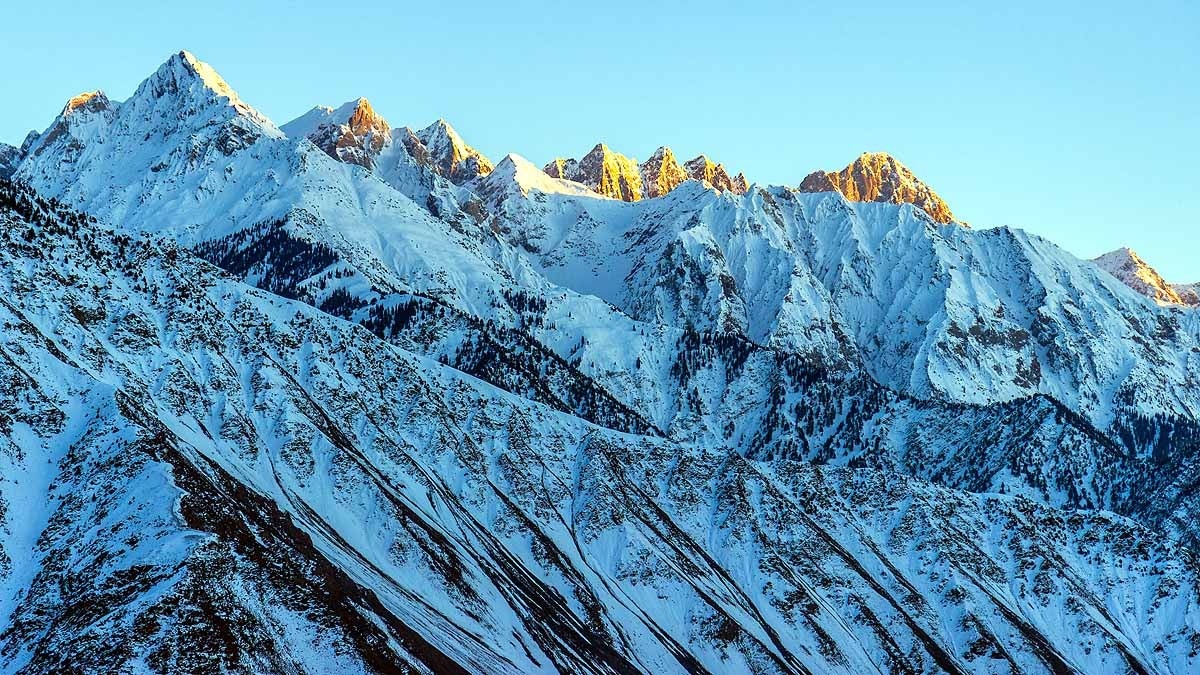
Often referred to as the 'Third Pole,' the Hindu Kush Himalayan region holds the largest ice mass outside the polar regions. It serves as the water tower for much of Asia, feeding major river systems. However, in recent decades, rising global temperatures have accelerated glacial retreat, increasing the frequency of Glacial Lake Outburst Floods (GLOFs) and other climate-related catastrophes.
Frequently Asked Questions
1. What triggered the recent disaster in Nepal?
The disaster was triggered by a glacier burst near the Nepal-China border, leading to intense flash floods in major river systems.
2. How is this affecting India?
The flooding is causing rising water levels in rivers like the Gandak in Uttar Pradesh, leading to flood alerts and the washing down of debris and remains from Nepal.