Following devastating flash floods in Nepal, a severe health crisis has emerged. The stench of decomposing bodies trapped in mud and debris is triggering fears of a widespread epidemic.
- Death toll exceeds 939, with over 4,000 people still missing.
- Decomposing corpses in debris and marshes posing a severe epidemic risk.
- 21,000 security personnel deployed; 11,379 individuals rescued.
- 187 Indian nationals successfully evacuated.
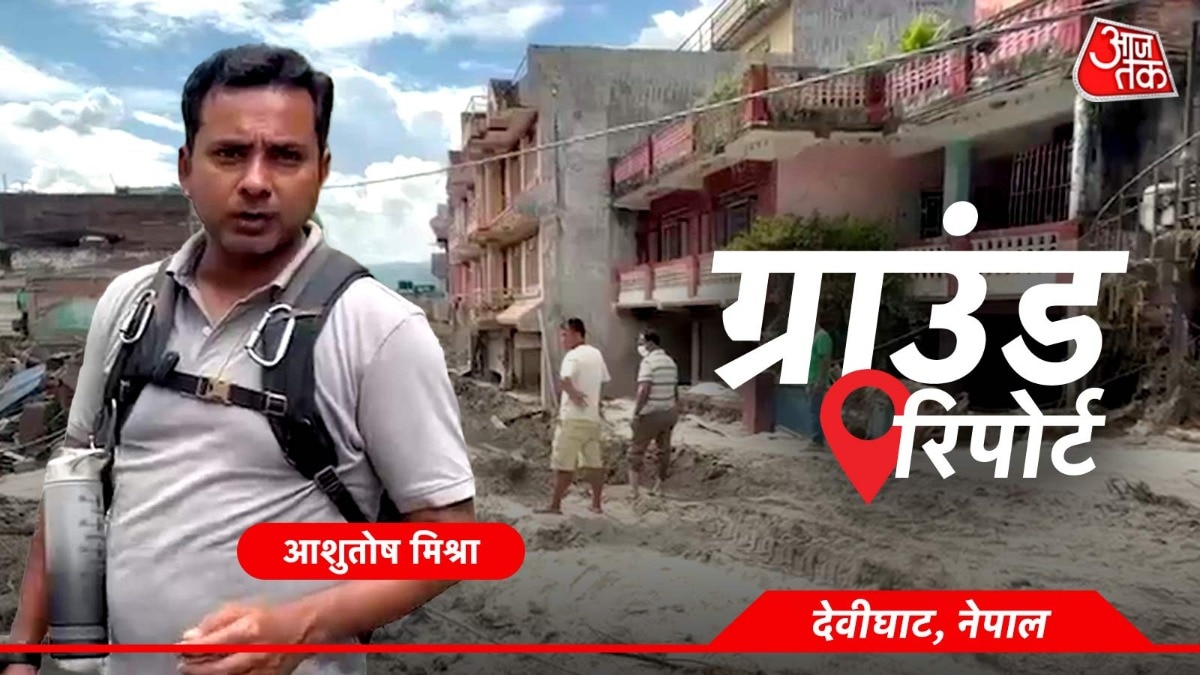
Nepal is currently grappling with the aftermath of catastrophic flash floods that have left a trail of destruction across the region. While rescue operations are in full swing, a secondary disaster is unfolding. As floodwaters recede in low-lying areas, particularly around Devighat, the stench of decomposing bodies trapped under layers of sludge and debris has become unbearable, raising alarms about a potential health epidemic.
The scale of the tragedy is immense, with the official death toll surpassing 939, and more than 4,000 people reported missing. Military and administrative teams are working tirelessly to locate survivors and recover the dead. So far, 11,379 people have been rescued, including 187 Indian citizens. To manage this crisis, a massive force of 21,000 security personnel has been mobilized.
Why This Matters
BozokMedia analysis shows that the post-disaster phase is often more critical than the event itself. When corpses are not recovered promptly, they contaminate groundwater and soil, creating a breeding ground for waterborne diseases like cholera and dysentery. In the humid and high-temperature conditions of Nepal's lowlands, the biological decay process is accelerated, making rapid sanitation a matter of life and death.
"Rapid recovery of remains and stringent sanitation protocols are the only ways to prevent a secondary biological catastrophe in the flood-hit zones."
The sheer power of the flash floods is evident from the wreckage. The Bhote Koshi River swept away massive trees, iron bridges, and entire commercial structures. In Devighat, a Bailey bridge was completely destroyed, severely hindering the movement of relief materials and medical teams to the most affected pockets.
Sanitation workers are now operating with masks to protect themselves from airborne infections. The administration faces a dual challenge: the race against time to find missing persons and the urgent need to disinfect affected areas. Clearing debris and restoring connectivity remain the top priorities to ensure that medical kits and clean water reach the survivors.
| Metric | Current Status / Data |
|---|---|
| Total Deaths | 939+ |
| Missing Persons | 4,000+ |
| Total Rescued | 11,379 |
| Personnel Deployed | 21,000 |
Frequently Asked Questions
1. How many Indian citizens have been rescued from the Nepal floods?
A total of 187 Indian nationals have been safely evacuated so far.
2. Why is there a threat of an epidemic now?
The decomposition of human and animal carcasses in mud and debris, combined with contaminated water sources, increases the risk of infectious diseases.