Facing a critical shortage of mortuary space, the Nepal government has decided to proceed with mass burials for unidentified flash flood victims. DNA samples are being preserved to allow families to retrieve loved ones for religious rites later.
- The Nepal government has authorized mass burials for unidentified victims due to mortuaries operating at 400% capacity.
- Official death toll has reached 752, with approximately 2,500 individuals still reported missing.
- International rescue teams from India and China are currently assisting in high-altitude search operations.
In a harrowing development following devastating flash floods, the Nepal government has announced the necessity of mass burials for unidentified victims. The decision, sanctioned by the Ministry of Home Affairs, comes as mortuary facilities in Kathmandu and surrounding areas have completely run out of space to accommodate the mounting number of deceased.
The catastrophe was triggered by a massive glacial collapse near the Tibet border, which unleashed a torrent of water through the Bhote Koshi and Lende Khola, eventually surging into the Trishuli River. The resulting deluge decimated infrastructure and lives across the Rasuwa, Nuwakot, and Dhading districts. The Chitwan district, located downstream where the Trishuli merges with the Narayani River, has become the primary site for body recovery, with 250 corpses retrieved there alone.
Why This Matters
BozokMedia analysis shows that this crisis is a textbook example of the 'cascading disaster' effect, where a geological event (glacial collapse) triggers a hydrological disaster (flash flood), leading to a systemic collapse of urban infrastructure (mortuary overflow). The strategic involvement of both India and China highlights the geopolitical necessity of cooperation in the fragile Himalayan ecosystem.
"When mortuaries exceed their capacity by four times, the priority shifts from individual preservation to public health and sanitation, forcing heartbreaking administrative choices."
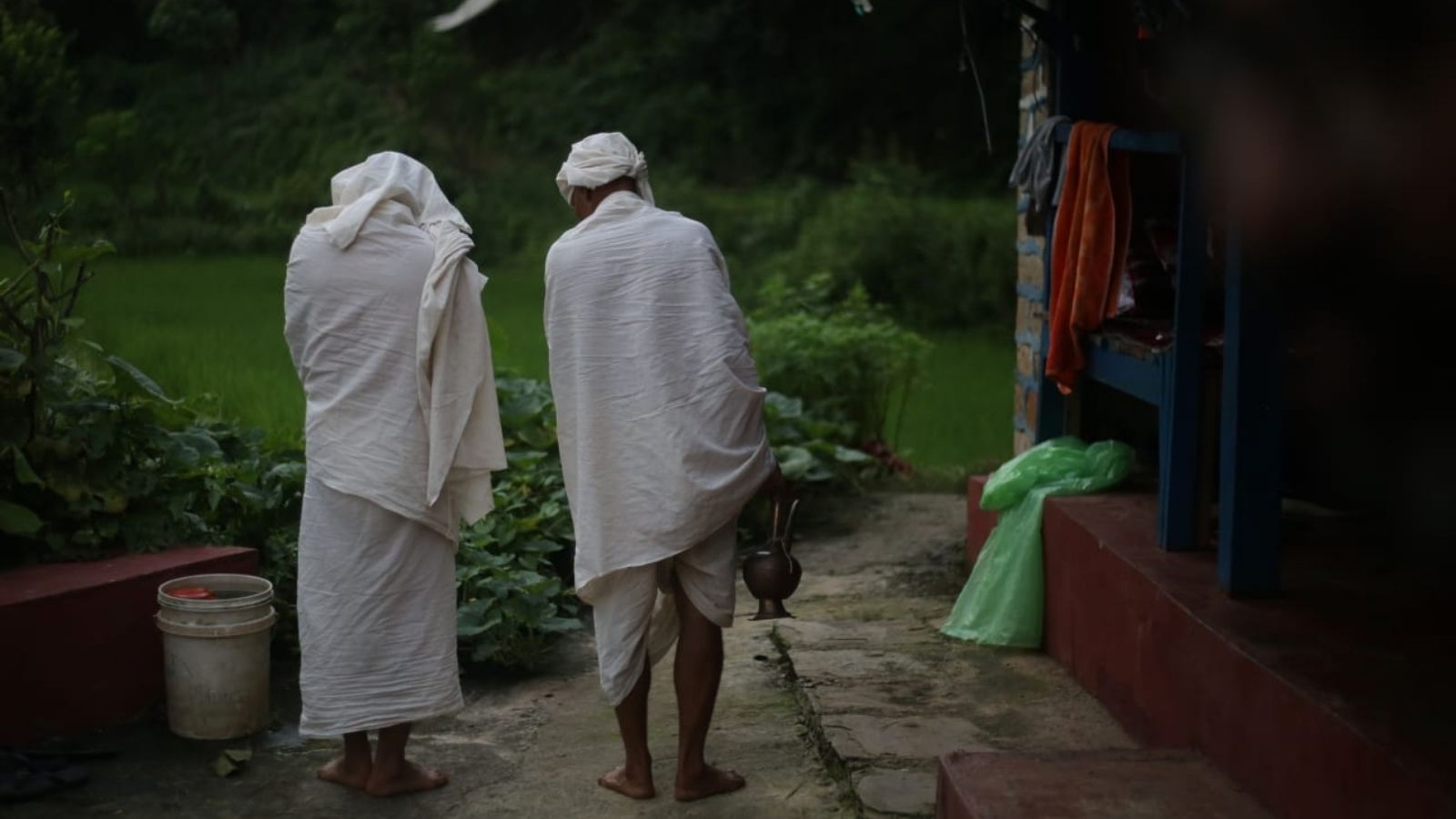
To mitigate the emotional trauma of families and respect cultural sensitivities, officials have confirmed that DNA samples will be meticulously preserved for every body buried in the mass graves. This ensures that if relatives come forward in the future, the bodies can be exhumed and handed over for traditional religious rites.
Concurrent with the recovery efforts, search-and-rescue operations are intensifying at remote hydroelectric project sites. Many workers were trapped by the sudden surge of water. With the help of Indian and Chinese teams, approximately 400 people have been successfully evacuated from these high-risk zones.
| Metric | Status/Figure |
|---|---|
| Confirmed Deaths | 752 |
| Missing Persons | ~2,500 |
| Highest Recovery Zone | Chitwan District (250 bodies) |
| Rescued Individuals | 400+ |
Frequently Asked Questions
1. Why are mass burials being conducted instead of individual ones?
The primary government mortuaries are holding more than four times their intended capacity, making it physically impossible to store more bodies.
2. How will families identify their loved ones later?
The government is preserving DNA samples of all unclaimed victims to facilitate future identification and exhumation.