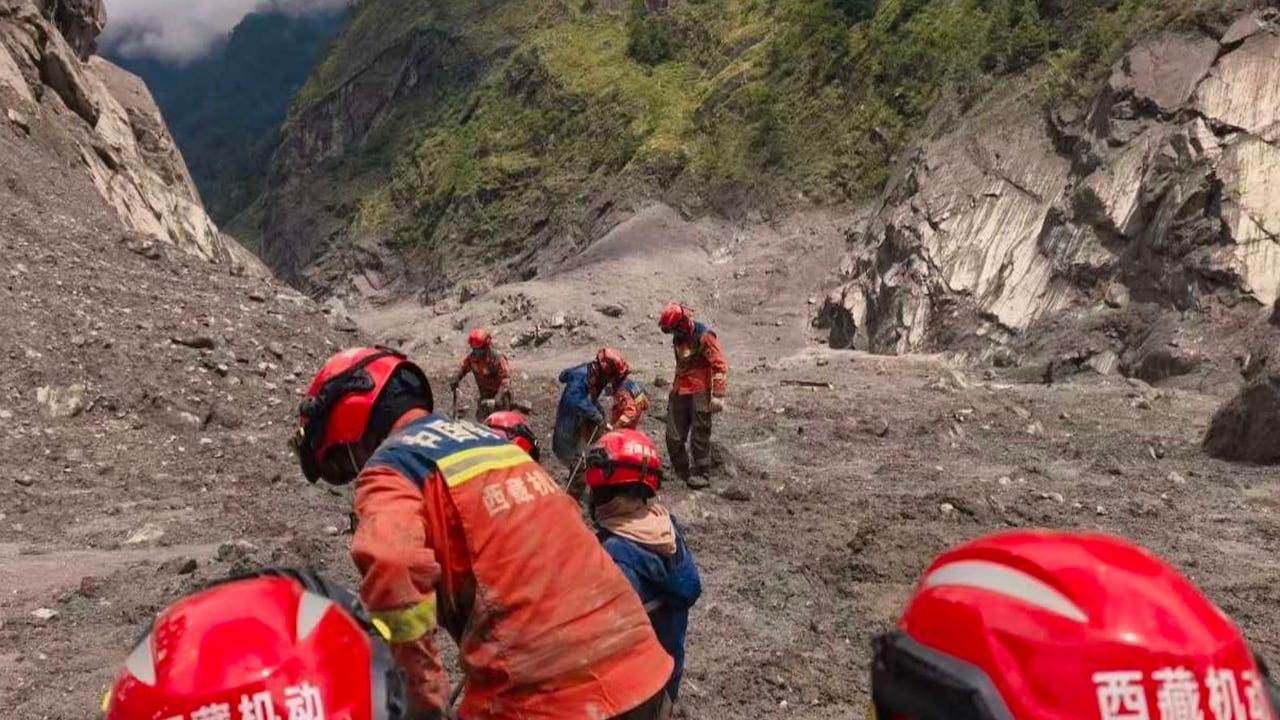
As rescue operations enter their fifth day, rising water levels in the Bhote Koshi and Trishuli rivers, caused by water discharge from Tibet, have forced evacuations in Nepal. Authorities have resumed helicopter-based rescue efforts following weather delays.
- Water discharge from upstream Tibet has caused a dangerous rise in the Bhote Koshi and Trishuli rivers.
- Evacuation orders have been issued for residents in the Bhattar region.
- Helicopter-led rescue operations have resumed after being hindered by adverse weather.
The flood situation in Nepal has escalated significantly on the fifth day of intensive rescue and relief operations. Authorities have issued urgent alerts following a rapid surge in the water levels of the Bhote Koshi and Trishuli rivers. This sudden spike in volume is attributed to controlled or uncontrolled water discharge from upstream regions in Tibet, creating a high-risk scenario for downstream communities.
In Bhattar, the situation is particularly critical. The furious current of the rivers poses an immediate threat to both upstream and downstream residents, prompting officials to advise mandatory evacuations to safer, higher ground. Emergency response teams are working around the clock to manage the escalating crisis.
Why This Matters
BozokMedia analysis shows that the transboundary management of Himalayan rivers remains one of the most volatile geopolitical and environmental challenges in South Asia. The sudden release of water from upstream territories can turn seasonal monsoon rains into catastrophic flash floods, overwhelming local infrastructure and drainage systems in Nepal.
The intersection of transboundary water management and extreme weather events is creating a new paradigm of vulnerability for Himalayan nations.
Despite recent weather-related delays that grounded aerial assets, helicopter-based rescue operations have officially resumed. Ground personnel are simultaneously engaged in clearing blocked road networks, a crucial step to ensure that stranded victims can be reached and essential supplies, such as food and medicine, can be delivered to affected zones.
Historical Background
Nepal has long been susceptible to devastating floods during the monsoon season. However, in recent years, the pattern of flooding has become more unpredictable due to climate change and the melting of Himalayan glaciers, often exacerbated by water management practices in neighboring regions.
Frequently Asked Questions
Question 1: Why did the river levels rise so suddenly?
Answer: The surge was triggered by water being released from upstream in Tibet into the river systems.
Question 2: Are rescue operations currently active?
Answer: Yes, both helicopter-based rescues and ground-level clearing operations are actively underway.