A casual tea break in Nepal's Dhading district turned into a lifesaver for five travelers from Chhattisgarh, shielding them from a deadly flash flood that claimed hundreds of lives.
- Five travelers from Raipur, Chhattisgarh, narrowly escaped a catastrophic flash flood in Nepal.
- A decision to stop for tea at a hotel provided the critical minutes needed to avoid the flood surge.
- The Nepal floods have resulted in a tragic death toll exceeding 700 people.
Sometimes, the most trivial decisions can alter the course of a life. For five friends from the Mana Camp area of Raipur, Chhattisgarh, a casual pause for tea on August 26 became the thin line between survival and being swept away by the deadly fury of a flash flood in Nepal.
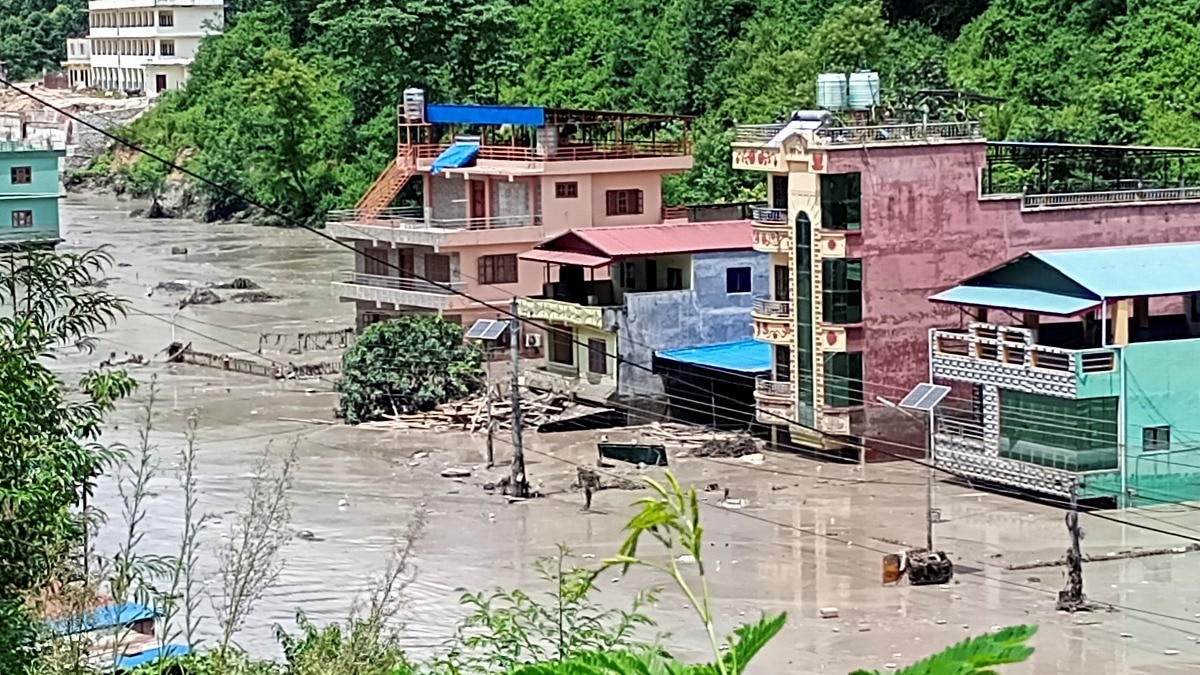
Narayan Sen, Dinesh Ojha, Prem Singh Jagat, Yatendra Prakash, and Dinesh Singh Thakur—all aged between 50 and 60—were on a pilgrimage to visit the Pashupatinath and Manokamana temples. What was meant to be a spiritual journey turned into a harrowing two-day ordeal of survival, watching the swollen Trishuli River rage below from the safety of higher ground.
Why This Matters
BozokMedia analysis shows that in high-risk zones like the Himalayan foothills, real-time information and even minor delays can be the deciding factor in survival during flash flood events. This incident highlights the unpredictable nature of mountain weather and the vital importance of local hospitality and administration during disasters.
"We were lucky that we stopped for tea on August 26 when the flash floods struck," said 53-year-old Narayan Sen. "If we had left 10–15 minutes earlier, we might have been trapped or worse." The group found shelter in a hotel owned by an Indian national, who provided them with food and essential information about the washed-away bridge ahead.
"The margin between life and death in mountain flash floods is often measured in mere minutes and small decisions."
The group spent a terrifying 48 hours sheltering in their rented car at Malekhu. While the scenery was apocalyptic, the group found solace in faith and local support. Thakur, a police head constable, recalled, "We kept chanting Lord Shiva's name, and we feel his blessings protected us."
Historical Context of Nepal Floods
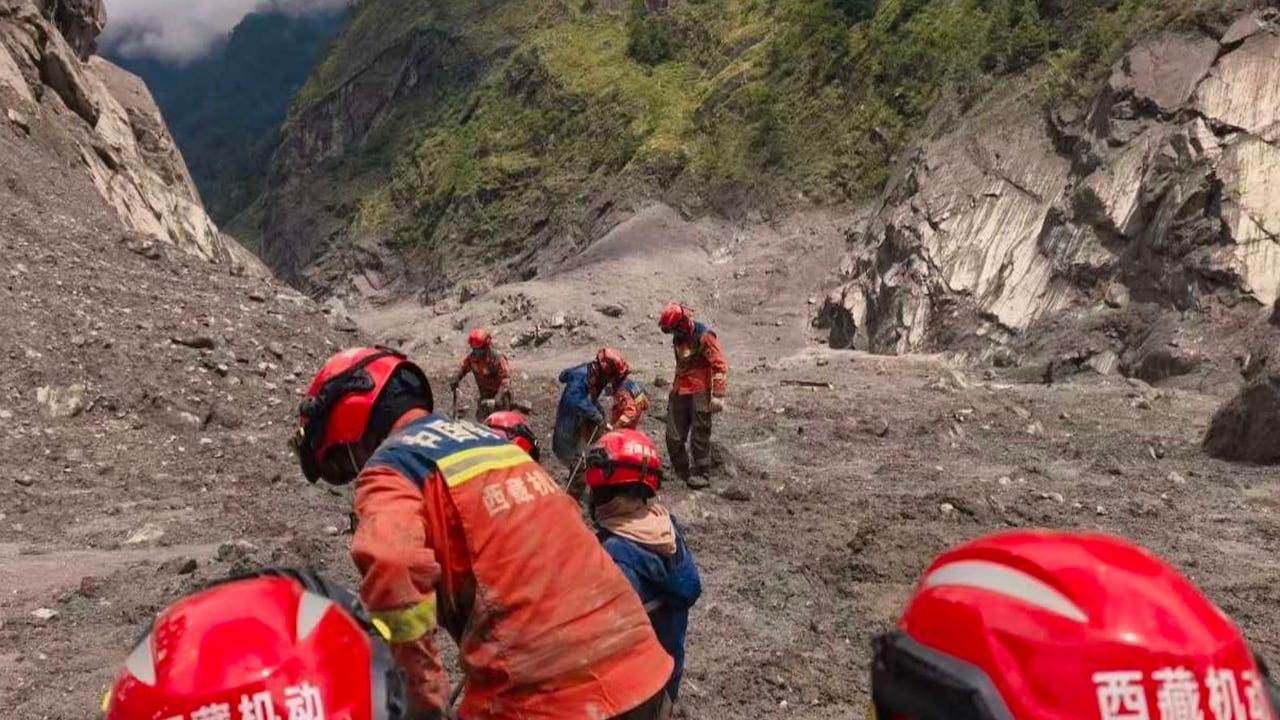
Nepal's geography makes it highly susceptible to flash floods caused by heavy monsoon rains and glacial melt. The recent catastrophe has been one of the deadliest in recent memory, with the official death toll crossing 734. The scale of destruction includes entire villages, hydropower projects, and critical infrastructure being decimated by the sudden surge of water.
Amidst the tragedy, a touching moment of human connection occurred when local women security personnel tied Rakhis on the men's wrists, providing a sense of familial warmth during their isolation. The group finally returned home to Raipur on August 28, forever changed by the devastation they witnessed.
Frequently Asked Questions
1. Where exactly did the flash flood occur in Nepal?
The flash floods severely impacted the Dhading district and surrounding areas near the Trishuli River.
2. How many people are reported missing in the Nepal floods?
As of the latest reports, nearly 3,000 people remain missing across Nepal and Tibet.