Bangladesh is facing intense scrutiny over its growing proximity to the 'Mecca Pact', a strategic military alignment that could redefine security dynamics in South Asia and strain ties with India.
- Bangladesh is increasingly referencing the 'Mecca Pact' in its diplomatic discourse.
- The pact is often viewed as an 'Islamic NATO', focusing on mutual defense among Muslim-majority nations.
- India faces potential security challenges if Bangladesh aligns closely with Pakistan-led military initiatives.
The geopolitical landscape of South Asia is witnessing a volatile shift as Bangladesh begins to align its strategic rhetoric with the so-called 'Mecca Pact'. This movement has sparked widespread concern across New Delhi, as the pact is widely perceived as a mechanism for military and political coordination among Islamic nations, effectively acting as an 'Islamic NATO'.
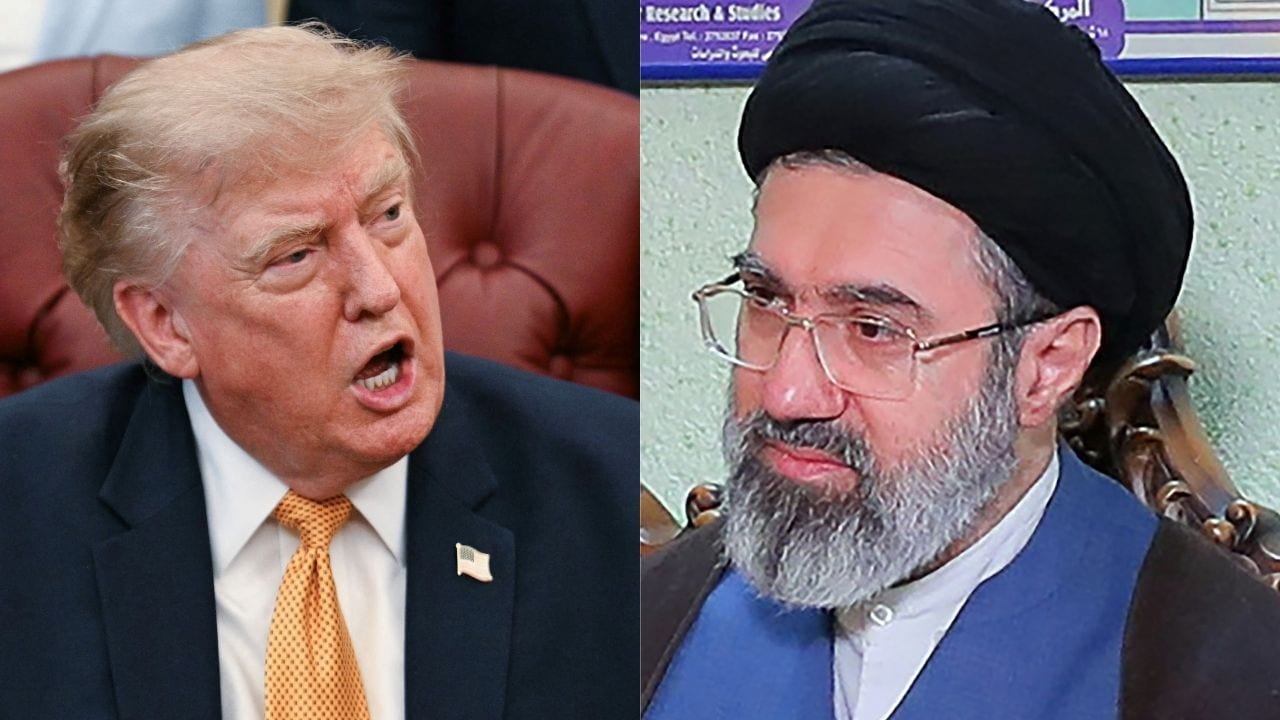
Recent reports indicate that General Asim Munir of Pakistan has been entrusted with significant responsibilities within this framework for a three-year tenure. The decision, reportedly finalized in Turkey, places Pakistan in a leadership role that could potentially influence Bangladesh's defense procurement and strategic posture toward its neighbors, specifically India.
Why This Matters
BozokMedia analysis shows that this is not merely a religious alignment but a calculated geopolitical pivot. By leaning into the Mecca Pact, Bangladesh may be seeking to diversify its security partnerships, reducing its traditional reliance on Indian security guarantees while exploring deeper ties with the Middle East and Turkey. However, this 'Islamic bloc' approach risks alienating its largest trading partner in the region.
The shift toward a pan-Islamic security architecture in Dhaka could create a strategic vacuum that adversarial powers might exploit to destabilize the eastern border of India.
Historically, Bangladesh and India have shared a 'special relationship' based on the 1971 Liberation War. However, the current administration in Dhaka appears to be re-evaluating this legacy in favor of a broader identity-based alliance. The inclusion of Bangladesh in such a pact would fundamentally alter the balance of power in the Bay of Bengal.
Critics argue that entering such an agreement is a strategic blunder for Bangladesh. Experts warn that while the pact offers ideological solidarity, it provides little tangible economic benefit compared to the deep trade integration Bangladesh currently enjoys with the Indian market.
Frequently Asked Questions
What is the Mecca Pact?
It is a strategic military and political alignment among several Muslim-majority nations aimed at mutual defense and cooperation.
How does this affect India?
It could lead to increased Pakistani influence in Bangladesh and create new security vulnerabilities along India's eastern frontier.