Desperate rescue operations have turned to explosives to penetrate mud-filled tunnels along the Trishuli River. The overall flood death toll has surged to 939, with thousands still missing.
- Explosives deployed to reach 600+ workers trapped in Trishuli-3A hydropower tunnels.
- Death toll reaches 939, with 3,925 people reported missing across the region.
- International coalition from China, India, Korea, and Australia aiding the search.
- Mass temporary burials initiated in Chitwan due to a lack of morgue capacity.
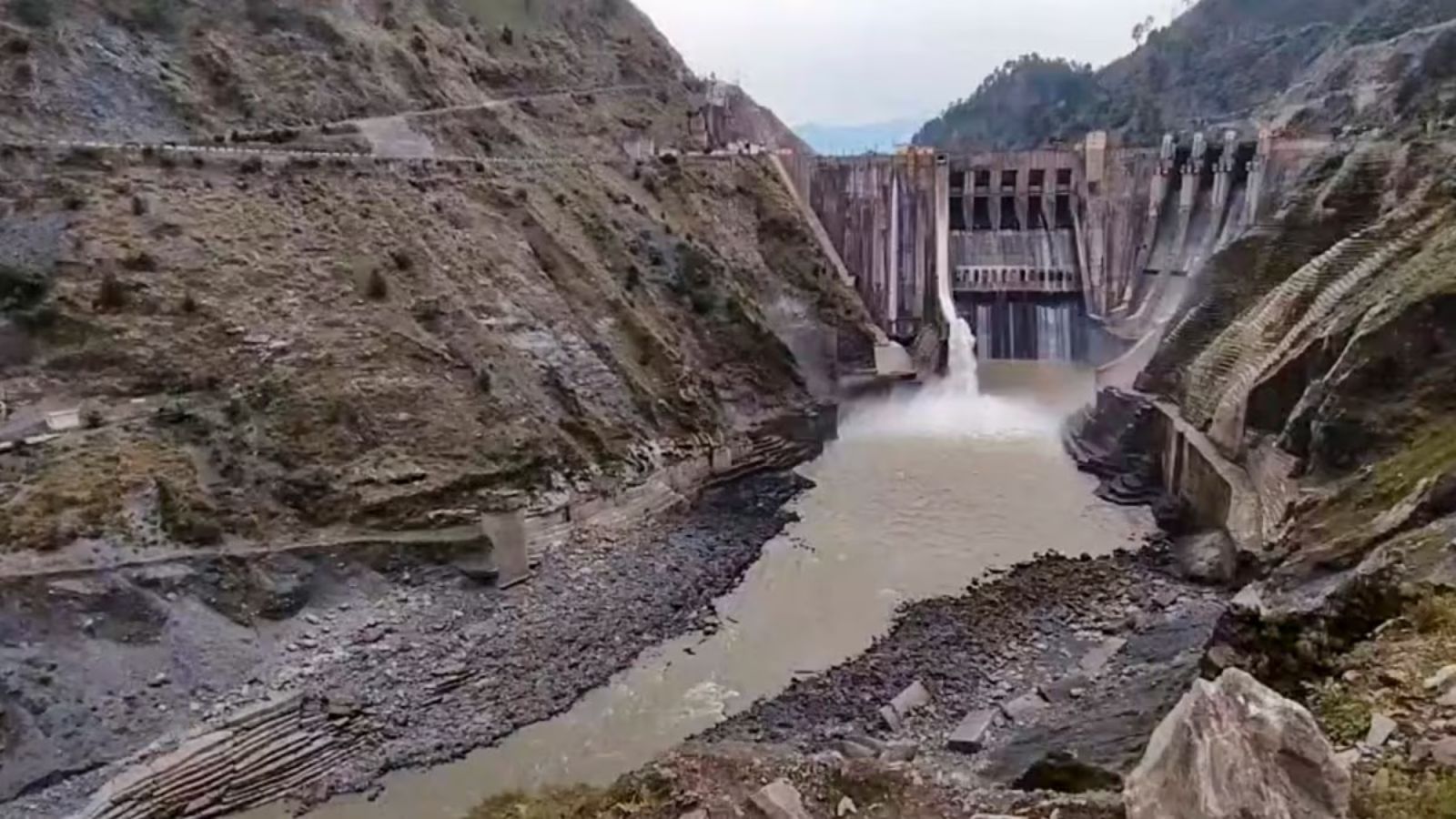
In a race against time, rescue teams in Nepal have resorted to using explosives to blast through hillsides in a desperate attempt to reach over 600 workers trapped in a network of mud-choked tunnels. The Trishuli-3A site has become the epicenter of a harrowing struggle for survival, as families of missing engineers and laborers cling to the hope that oxygen systems inside the plant may have kept some alive.
The scale of the catastrophe is staggering. According to the national disaster management authority, the death toll from the floods along the Nepal-Tibet border has climbed to 939. The number of missing persons has been revised to 3,925, including 592 foreign nationals. Prime Minister Balendra Shah stated that while 279 people have been rescued from various sites, the operation remains fraught with difficulty.
Why This Matters
BozokMedia analysis shows that this incident exposes the critical vulnerability of Nepal's energy infrastructure. By concentrating massive hydropower projects in high-risk mountainous corridors, the state has created a high-stakes gamble with nature. This disaster serves as a grim case study for global infrastructure planning in climate-vulnerable zones, highlighting that engineering must evolve to withstand extreme weather events.
Australian geologist Arnold Dix, providing remote expertise, described the act of locating a tunnel under a "sea of mud and rock" as a miracle. He noted that the total destruction of access roads has rendered heavy machinery useless, forcing rescuers to rely on primitive tools like shovels and hand-digging to reach the turbine rooms.
"This is well outside anything we've learnt in our textbooks; we are operating in a landscape that has been completely rewritten by nature."
Downstream in Chitwan, the scene is one of profound grief. Nearly 300 bodies have washed up on the riverbanks, and due to a critical shortage of freezers, authorities have been forced to implement a temporary burial system. DNA extraction is currently the only hope for families seeking to identify their loved ones from the unidentified remains.
The crisis extends across the border into Tibet, where the official death toll stands at 16. However, reports indicate heavy censorship by Chinese authorities. Those speculating that the actual casualty figures are significantly higher have faced "administrative penalties," creating a shroud of mystery over the true extent of the loss in Tibet.
| Metric | Nepal (Affected Zones) | Tibet (Affected Zones) |
|---|---|---|
| Confirmed Deaths | 939 | 16 |
| Missing Persons | 3,925 | 546 |
| Information Access | Open/Journalistic | Heavily Censored |
Frequently Asked Questions
1. Why are explosives being used in the rescue operation?
The tunnels are blocked by massive deposits of rock and mud that cannot be cleared by manual labor or small tools, necessitating controlled blasts to create access points.
2. Which countries are assisting Nepal in this crisis?
The operation is a joint effort involving the Chinese and Nepalese militaries, with technical and geological expertise provided by specialists from India, Korea, and Australia.