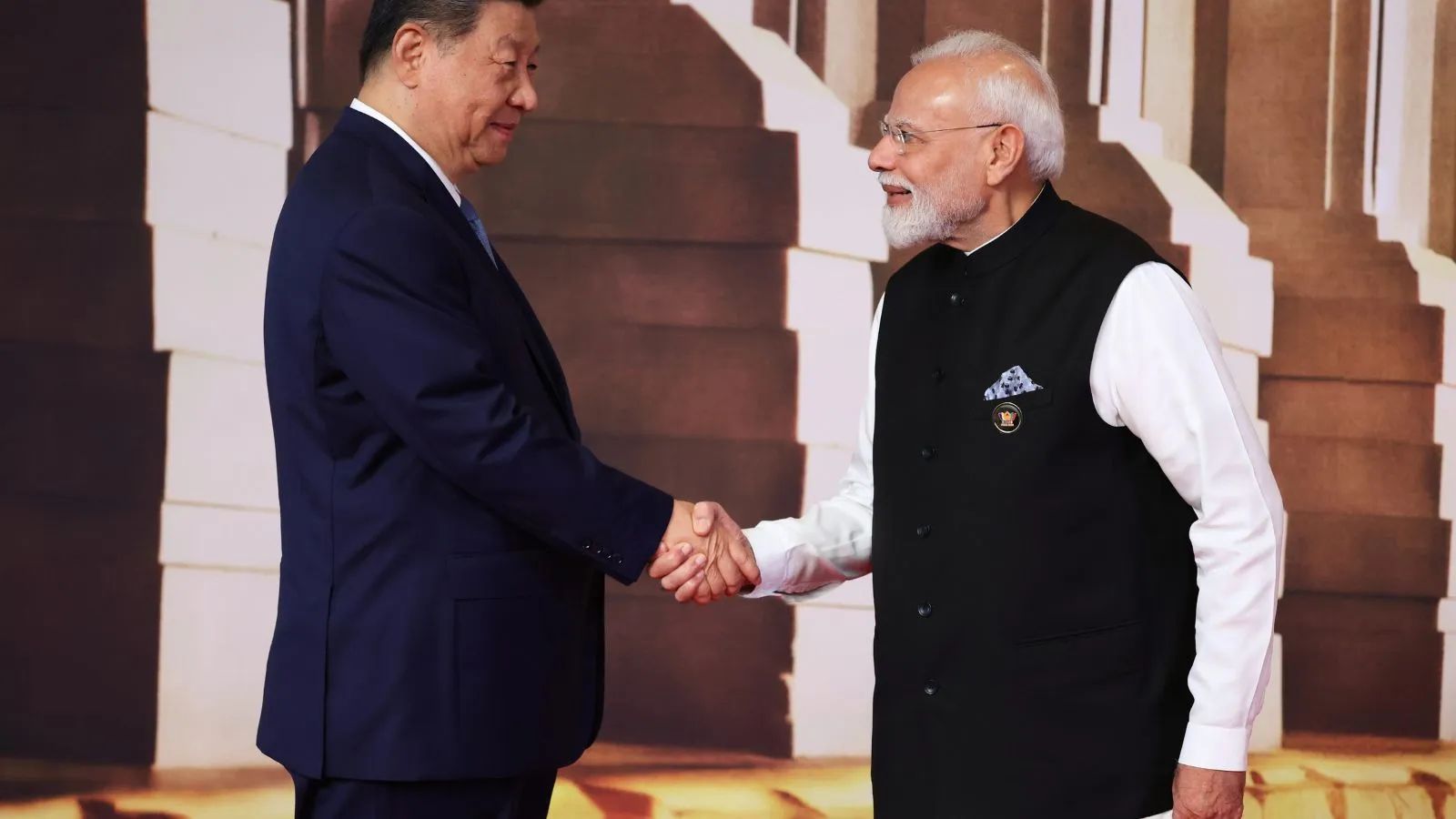
Russian President Vladimir Putin and Chinese President Xi Jinping have solidified their strategic partnership during the SCO summit in Bishkek, signaling a united front against Western influence amid global instability.
- Russia and China reaffirm a 'solid' strategic alliance despite global unpredictability.
- The SCO summit marks its 25th anniversary with key leaders from India, Iran, and Pakistan.
- Russia's economic dependence on China has surged due to Western sanctions over the Ukraine conflict.
- Tensions persist between the US and Iran, with Iranian President Pezeshkian calling for a path of agreement.
In a high-stakes diplomatic encounter on the sidelines of the Shanghai Cooperation Organisation (SCO) summit in Bishkek, Kyrgyzstan, Russian President Vladimir Putin and Chinese President Xi Jinping have formally reaffirmed their strategic alliance. Meeting for the first time since May, the two leaders emphasized that their bilateral ties have grown "more solid," even as the international order faces unprecedented levels of uncertainty and unpredictability.
The meeting occurs against a volatile geopolitical backdrop. Russia is now entering its fifth year of conflict in Ukraine, while the world watches a simmering confrontation between the United States and Iran. For President Xi, the alliance serves as a counterbalance to Western hegemony, although Beijing continues to maintain a public stance of neutrality, denying any material military support for Moscow's campaign in Ukraine.
Why This Matters
BozokMedia analysis shows that the Putin-Xi axis is no longer just a diplomatic convenience but a structural necessity. With Western sanctions isolating Moscow, Russia has pivoted its economic engine toward China. This dependency grants Beijing significant leverage while providing Putin with a critical economic lifeline, effectively neutralizing the primary goal of Western economic warfare.
The SCO summit is evolving from a regional security forum into a primary vehicle for the promotion of a multipolar world order designed to challenge US global primacy.
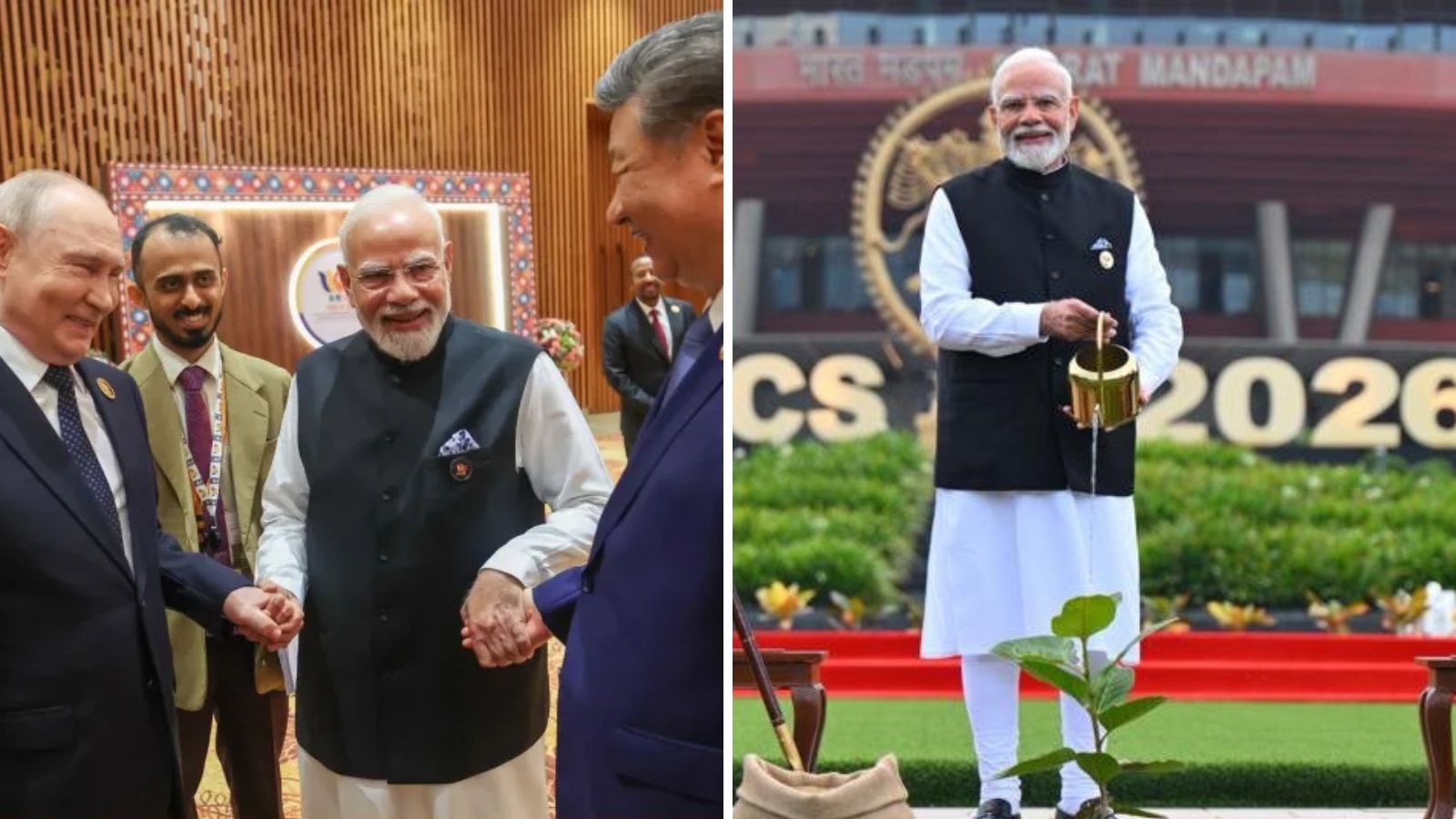
The summit also featured critical interactions involving Indian Prime Minister Narendra Modi. In a notable display of diplomacy, Putin and Modi shared a vehicle for their scheduled talks. Modi reiterated New Delhi's readiness to facilitate an end to the Ukraine conflict, while Putin vaguely noted that Moscow was "following the path" toward a resolution. This suggests that India continues to play a delicate balancing act between its strategic partnership with Russia and its growing ties with the West.
Simultaneously, the summit addressed the escalating US-Iran conflict. Iranian President Masoud Pezeshkian expressed a desire for de-escalation, stating that continuing the war is not in Tehran's or the region's interest. This comes amid reports that CIA Director John Ratcliffe visited Moscow to warn against the supply of weapons to Iran, highlighting the intricate web of military cooperation between Russia and Tehran.
| Entity | Primary Objective at SCO | Key Challenge |
|---|---|---|
| Russia | Breaking Western Isolation | Economic dependence on China |
| China | Promoting Multipolarity | Avoiding secondary US sanctions |
| India | Regional Stability | Balancing Russia and USA |
As the SCO celebrates its 25th anniversary, the organization now encompasses a massive demographic and economic footprint, representing roughly 40% of the global population and 25% of the global GDP. However, the internal diversity of the bloc—ranging from democratic India to autocratic Russia and China—remains a point of inherent tension.
Frequently Asked Questions
1. Did China provide weapons to Russia for the Ukraine war?
China has consistently and officially denied providing material military support to Russia, focusing instead on economic and diplomatic cooperation.
2. What was the outcome of the Modi-Putin meeting?
Prime Minister Modi expressed India's willingness to work toward peace in Ukraine, and while Putin acknowledged a path to resolution, no concrete timeline or terms were established.