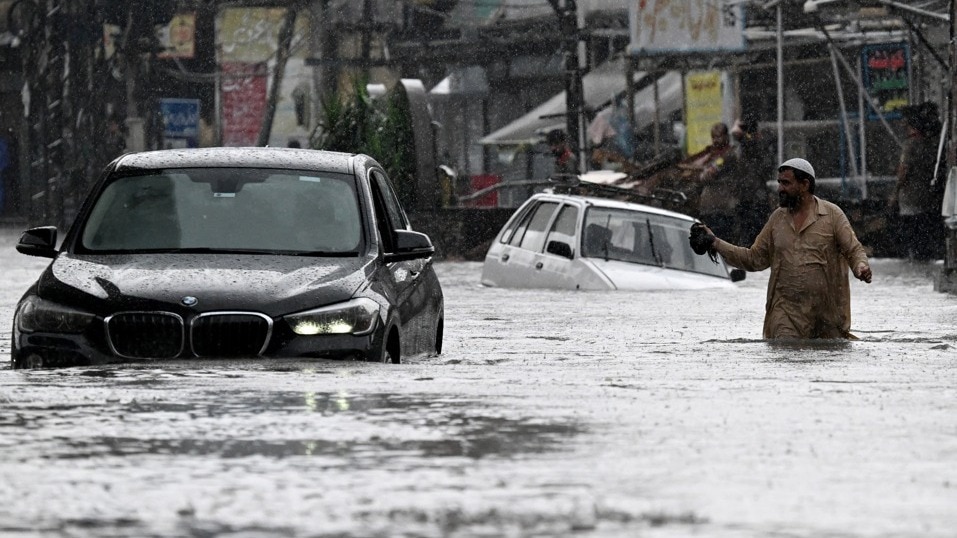
Sudden flash floods in Nepal have caused catastrophic damage, depositing 2.2 million tonnes of debris and affecting over 84,000 people. The UNDP reports massive destruction to buildings and hydropower infrastructure.
- 2.2 million tonnes of debris deposited near Bhote Koshi-Trishuli rivers.
- 84,270 people affected across 17 municipalities in 6 districts.
- 2,359 buildings damaged and 11 hydropower stations hit.
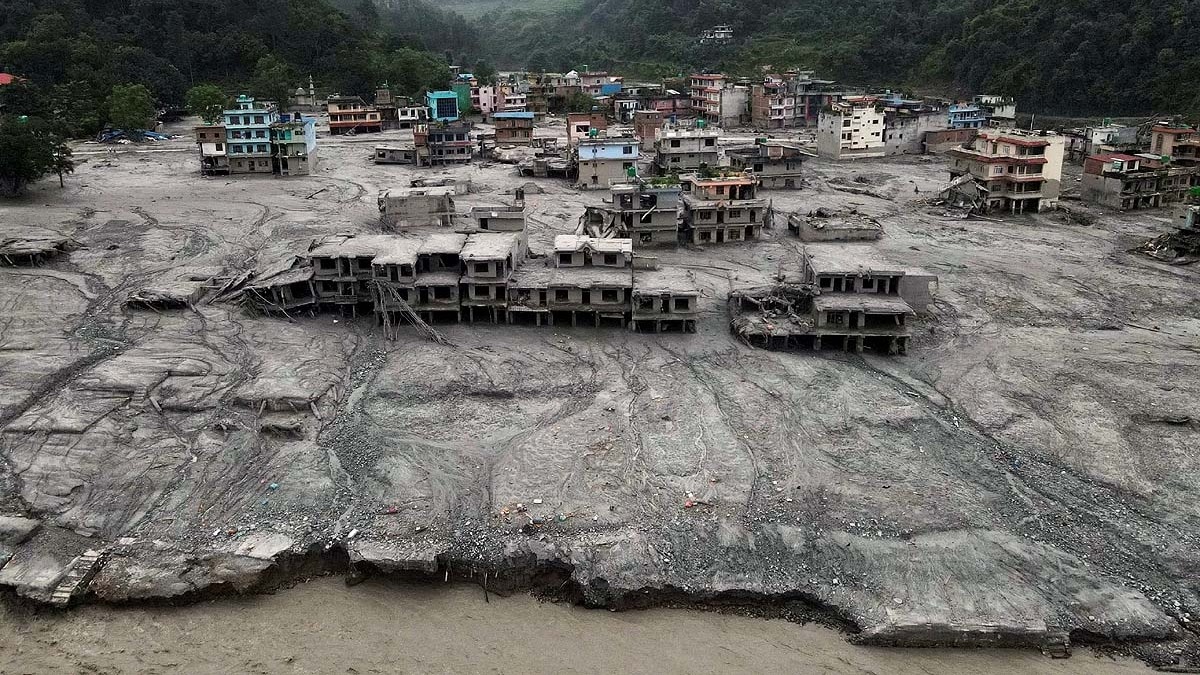
The sudden flash floods that struck Nepal on August 26 have escalated into a massive humanitarian and infrastructural crisis. The aftermath near the Bhote Koshi-Trishuli river systems is characterized by a staggering 2.2 million tonnes of debris, fundamentally altering the landscape. According to preliminary assessments by the UNDP, the disaster has impacted 84,270 individuals across 17 municipalities in six different districts.
The Composition of Destruction
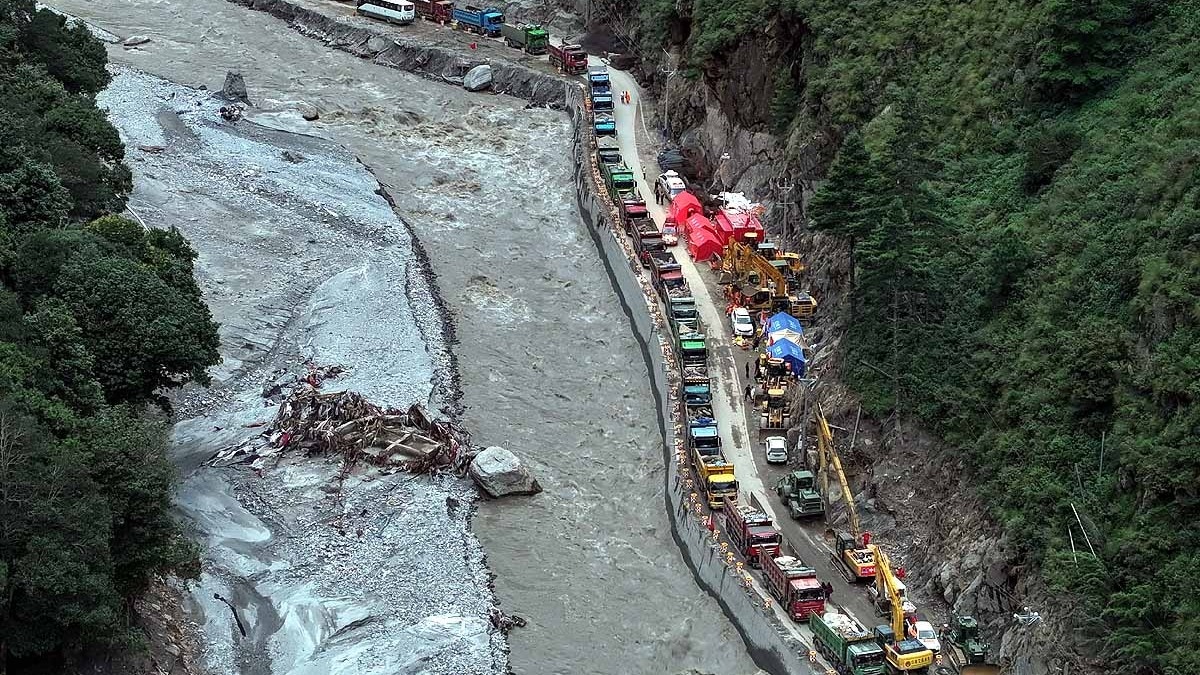
The debris left behind is not merely silt and mud; it is a violent mixture of pulverized homes, domestic belongings, massive boulders, uprooted trees, and soil. A significant portion—approximately 5.56 lakh tonnes—of this debris consists of structural remains from destroyed buildings. This massive accumulation has blocked critical transport routes, making the delivery of life-saving aid an uphill battle for rescue teams.
Why This Matters
BozokMedia analysis shows that this event transcends immediate physical damage, posing a long-term threat to Nepal's economic resilience. The intersection of agricultural loss and energy sector disruption creates a compounding crisis that could stall regional development for years.
The increasing frequency of flash floods in the Himalayan region is a stark indicator of the intensifying climate volatility affecting mountain ecosystems.
Impact on Energy and Agriculture
The economic blow to Nepal's energy sector is profound. The floods have directly impacted 11 hydropower stations and one solar plant, totaling a loss of 431.1 MW in generation capacity. Furthermore, 15 under-construction hydroelectric projects, with a combined potential of 470 MW, face significant delays or structural damage.
The agricultural sector, the backbone of the local economy, is also reeling. Approximately 67.4% of the affected population relies on farming. With the monsoon season in full swing, the destruction of crops and fertile land threatens to plunge thousands of families into severe economic instability.
| Category | Impact Details |
|---|---|
| People Affected | 84,270 |
| Buildings Damaged | 2,359 |
| Debris Volume | 2.2 Million Tonnes |
| Hydropower Loss | 431.1 MW |
Frequently Asked Questions
1. How many people have been impacted by the Nepal floods?
According to the UNDP, 84,270 people across 17 municipalities have been affected.
2. What is the impact on Nepal's electricity supply?
11 hydropower stations and one solar plant have been affected, impacting 431.1 MW of power capacity.